

-
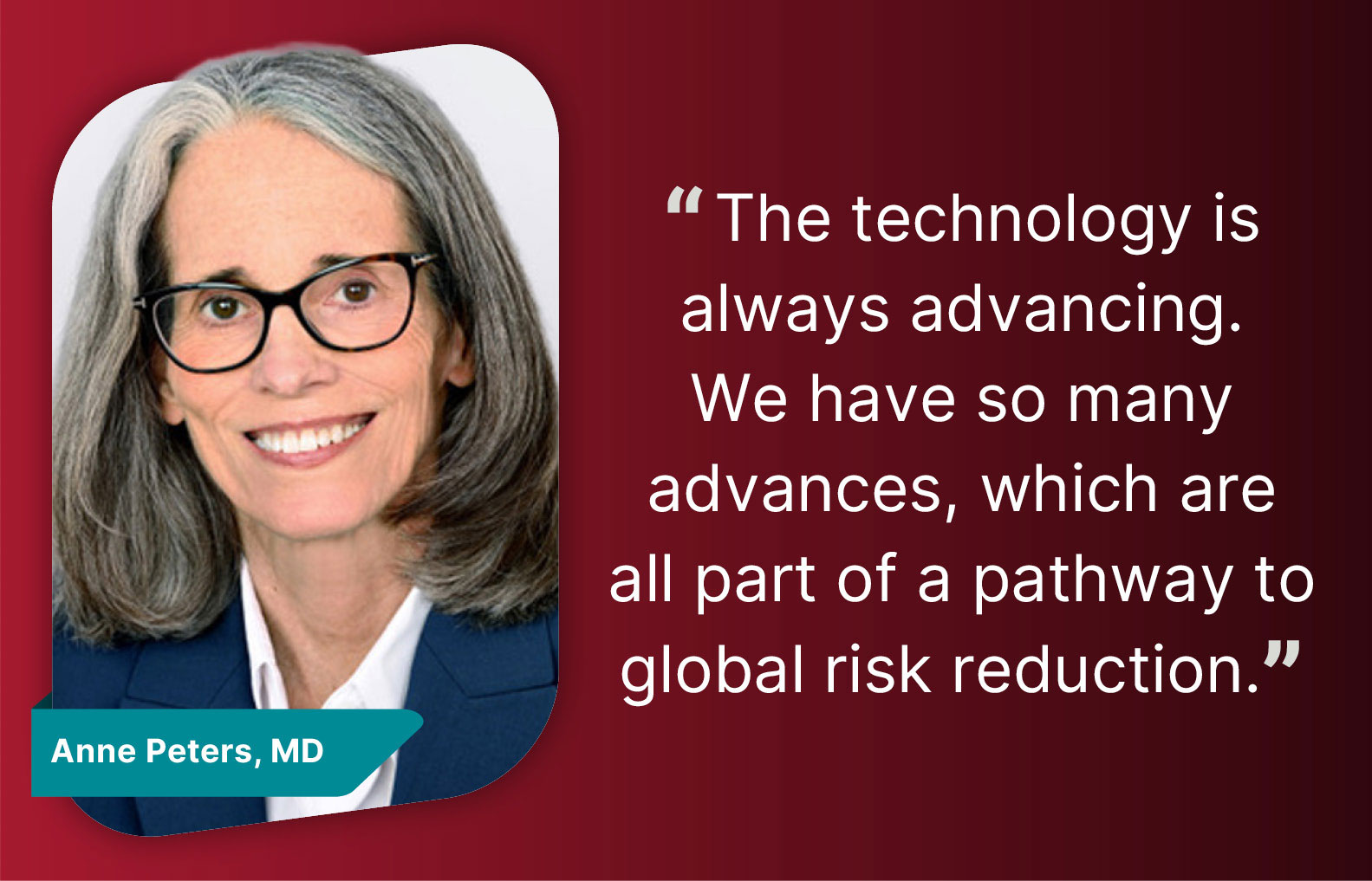
Year in Review symposium to deliver the latest discoveries in diabetes
Anne Peters, MD, will highlight major advances and discoveries in the clinical science of diabetes, including expanding treatment and technology options. Raghu Mirmira, MD, PhD, will summarize translational progress, and Barbara Kahn, MD, will share basic science developments.
-

Symposium to introduce novel approaches to harnessing tech in diabetes management
One of the panelists, Anna Kahkoska, MD, PhD, will explain how to leverage electronic health records to automate diabetes distress screening and facilitate practitioner conversations.
-
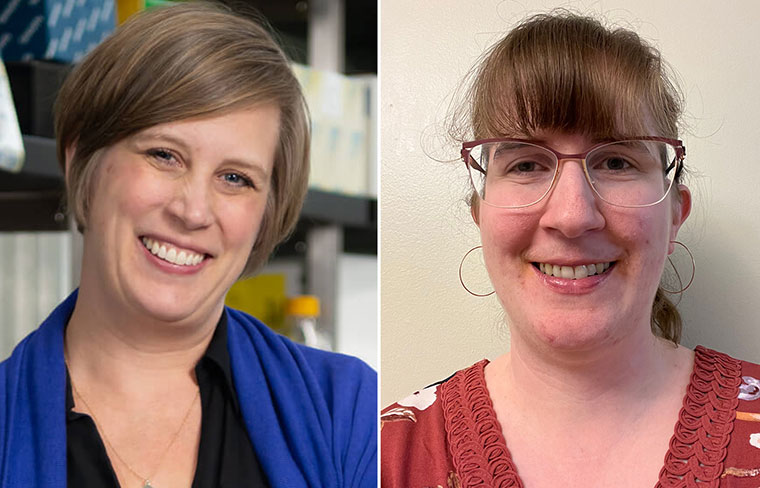
Experts to share updates on immunotherapy trials in type 1 diabetes
Researchers, including Cate Speake, PhD, and Lauren Higdon, PhD, will share new insights into early intervention aimed at altering the progression of this type of diabetes by targeting different aspects of the immune system.
-
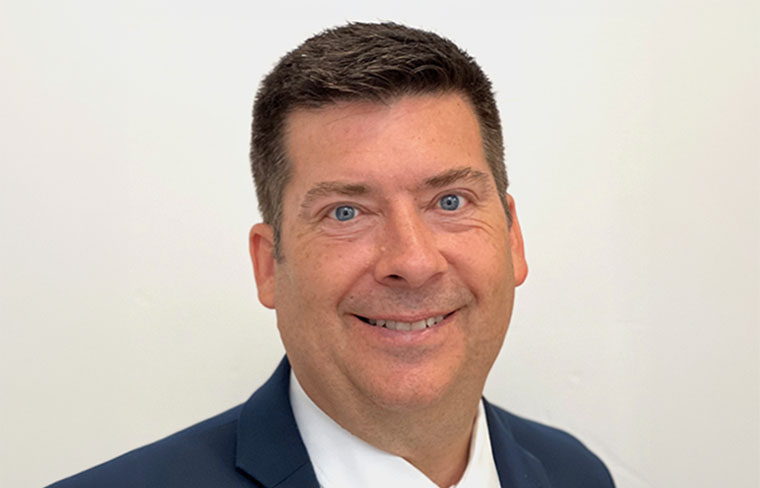
Session to address the economic and health value of obesity treatment
Panelists, including Tim Dall, MS, will help make business and social cases for investing in evidence-based treatment for obesity, such as lower healthcare costs, improved quality of life, and reduced mortality.
-
2026 Scientific Sessions opens four days of discovery
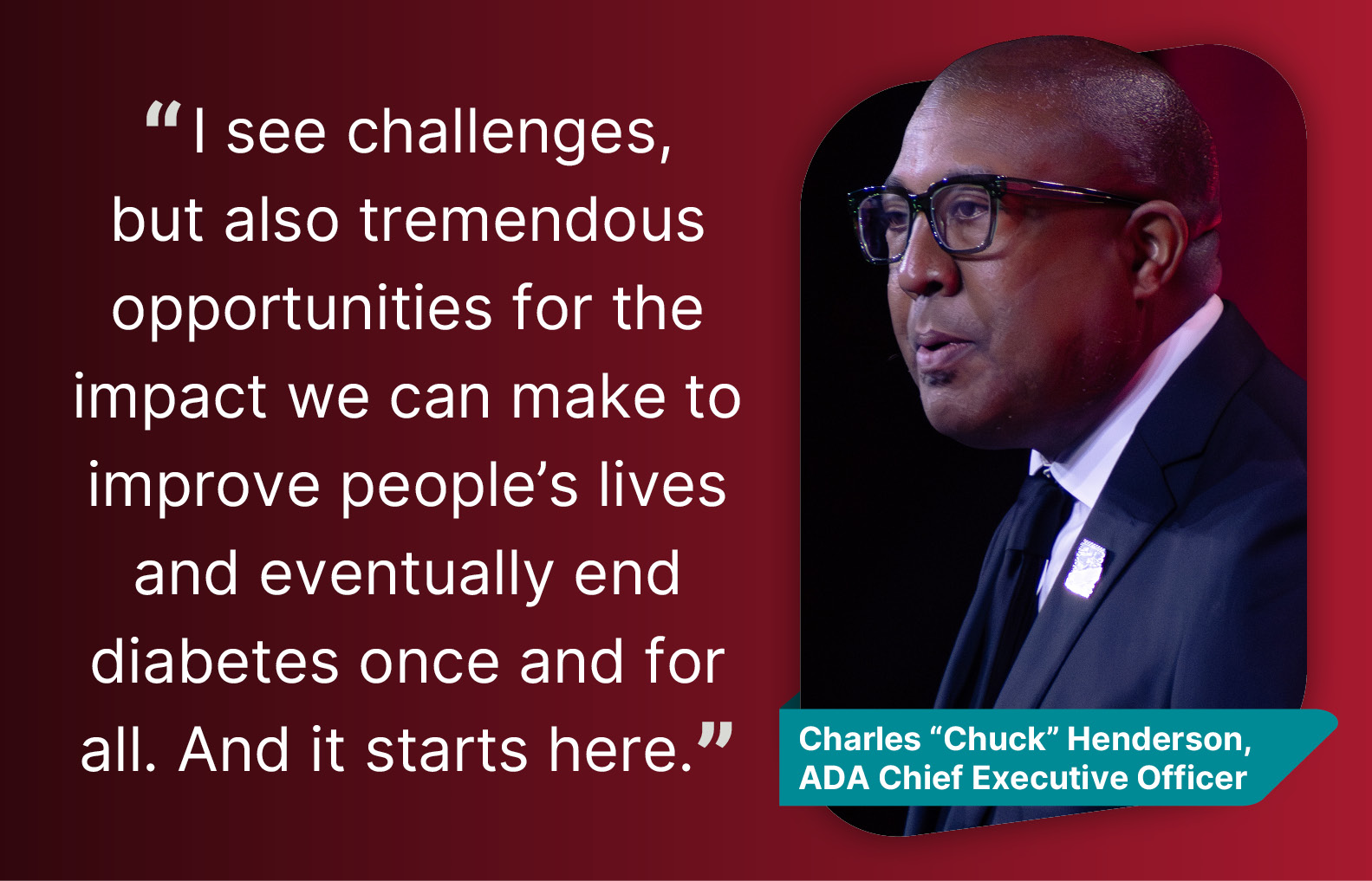
Jazz medleys, greetings from the American Diabetes Association® chief executive officer, an address on the future of diabetes research from a senior advisor at the National Institutes of Health, and highlights of cutting-edge science from ADA Pathway scientists marked the opening of the 2026 Scientific Sessions in New Orleans.
-
Diabetes Journal symposium to explore non-classical complications of diabetes
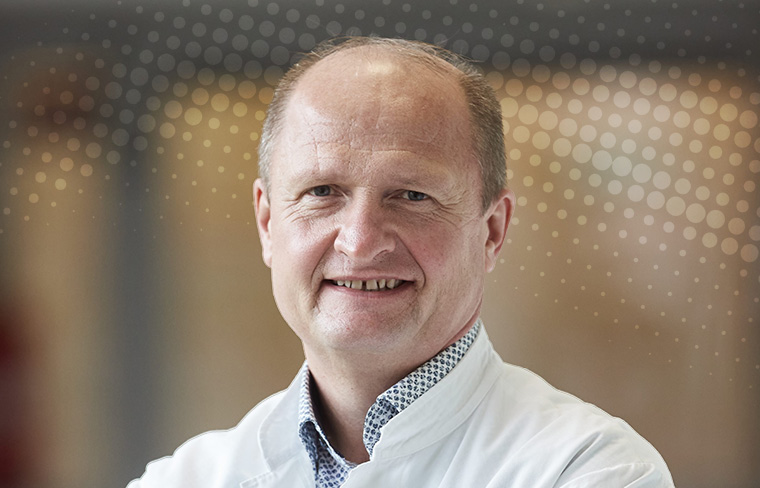
Norbert Stefan, MD, PhD, and three other panelists will present the latest findings on how complications such as metabolic dysfunction-associated steatotic liver disease (MASLD), infections, cancer, and diastolic dysfunction are impacting individuals living with diabetes.
-
Authors to explain updates to new consensus statement on managing hyperglycemia in type 2 diabetes
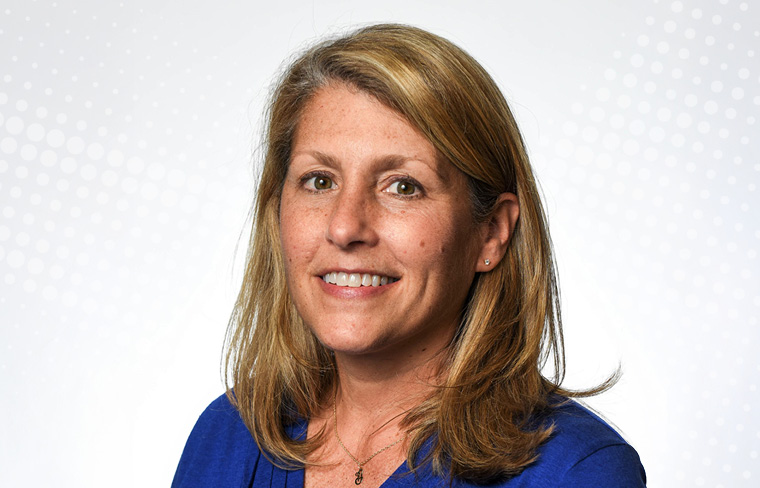
Jennifer Green, MD, and others involved in updating the guidance from the ADA and the European Association for the Study of Diabetes, will discuss the rationale behind the shifting emphasis on assessing and changing behaviors and medications to improve outcomes over a person’s lifespan.
-
Panelists to outline impact of youth substance use on diabetes care
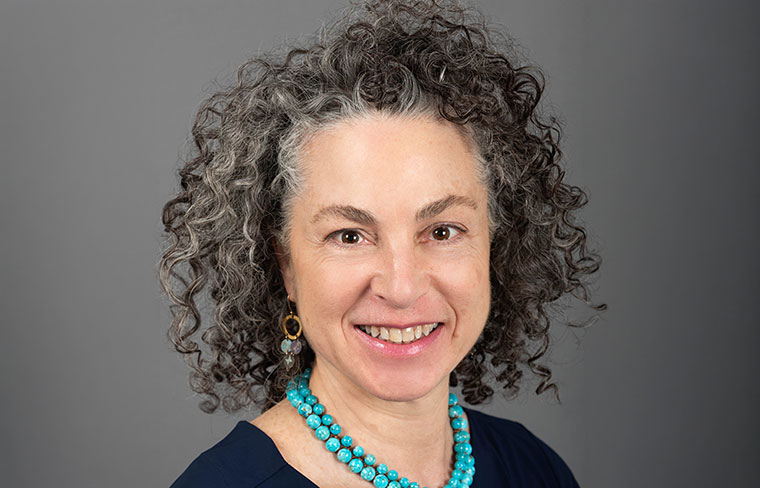
Elissa Weitzman, ScD, MSc, will be part of a trio of presenters in an Ask the Experts session focused on how to integrate conversations about the use of tobacco, alcohol, cannabis, pain medications, and other substances into clinical care for young people living with diabetes.
-

Panel to review the impact of disordered eating in diabetes and obesity
Nicole Patience, MS, RDN, LDN, CEDS-C, CDCES, and other experts will explain how eating disorders and imbalanced eating can affect people living with diabetes or obesity and how to help them achieve sustainable wellness.
-

Symposium to examine AI’s current and near-future impact on diabetes tech
Boris Kovatchev, PhD, and other panelists will share recent developments in the application of artificial intelligence in automated insulin delivery, clinical decision-making, nutrition estimation, diabetes coaching, and more.