


A major obstacle for healthcare professionals and people seeking obesity treatment is limited coverage. Although health insurers can be reluctant to cover medications for treatment due to cost, they may overlook the fact that inadequate treatment also incurs health and financial costs.

“Treatment for obesity and other chronic conditions is more than just saving healthcare dollars by better managing and preventing disease,” said Tim Dall, MS, Executive Director of Health Economic Consulting at GlobalData. “There are many social benefits to doing so. If you look at treatment only from the perspective of a budget analyst, we will underinvest in treatment and prevention programs from a societal perspective.”
Mr. Dall will discuss the costs associated with obesity and the value of treatment across different population subsets during the session, ADA Diabetes, Obesity, and Cardiometabolic CARE (DOCM CARE) Journal Symposium: The Cost of Obesity and its Treatment. The symposium will be held on Sunday, June 7 from 8:00–9:30 a.m. in Great Hall B of the Ernest N. Morial Convention Center. On-demand access to recorded presentations will be available to registered participants following the conclusion of the 2026 Scientific Sessions, from June 10–August 10.
This session will help make business and social cases for investing in evidence-based treatment for obesity. However, the approach used for obesity can be useful for a wide variety of acute and chronic conditions. Therefore, the symposium will be useful for those interested in advocating for increased coverage of obesity treatment and those interested in the general process of advocating for improved treatment.
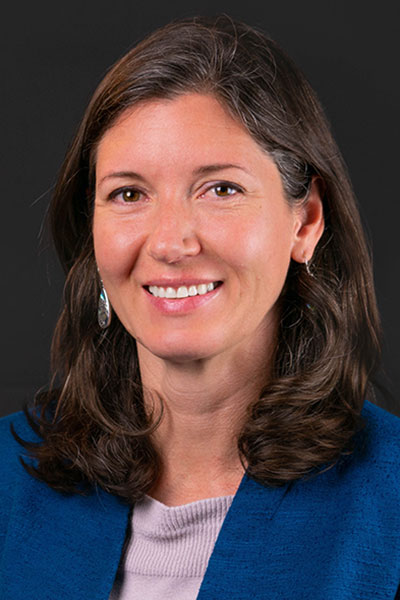
Treating obesity offers numerous benefits, such as lower healthcare costs, improved productivity, improved quality of life, and reduced mortality, but the perceived costs and benefits can vary depending on the perspective. Mr. Dall pointed out that Medicaid might focus primarily on financial costs, whereas policymakers are likely to consider a broader picture that includes employment stability, tax impacts, disability payments, and overall quality of life.
Catherine Ferguson, MA, Vice President of Federal Advocacy for the American Diabetes Association® (ADA), will discuss the obesity care and coverage gap.
Dr. Dall has been working with the ADA to develop an economic tool to estimate both the potential costs of expanding access to evidence-based treatment for obesity to state healthcare programs and the associated direct and indirect benefits over time.
“We know when people improve their health and address their obesity, you can see an impact on type 2 diabetes and improvements in A1C levels and various cardiovascular risk factors. This tool puts the science into a framework we can use to have conversations with policymakers about the implications of not covering or of covering evidence-based interventions, from lifestyle to medications and surgery,” Ms. Ferguson said.

The tool also illustrates the consequences of a population lacking access to proper medical care and treatment, emphasizing that not treating costs the system.
Melanie Jay, MD, MS, Professor of Medicine at NYU Langone Health, will discuss how delayed or inadequate care translates into preventable complications, fragmented care, and inequities. She will also address factors contributing to inadequate care, such as weight stigma, which results in poor clinical outcomes, avoidance of healthcare, limited coverage, and policy issues. She will highlight how the healthcare system is ill-equipped to provide adequate treatment due to shortages of endocrinologists and obesity medicine specialists, resulting in fragmented care.
“I do research on peer coaches, so we can think about how many healthcare workers coaches could support,” Dr. Jay said. “Obviously, dietitians and pharmacists could help with the lifestyle aspects, medication adherence, side effects, and escalation. So having a team-based care setup could help address this gap.”
Alissa Segal, PharmD, CDCES, FCCP, at the Massachusetts College of Pharmacy and Health Sciences, in Boston, will be on hand to introduce attendees to the ADA’s publication Diabetes, Obesity, and CardioMetabolic CARE®, of which she is Editor in Chief.

Save the date
Make plans to join us June 18–21, 2027, for the 2027 Scientific Sessions at the Walter E. Washington Convention Center in Washington, DC. Registration will open in January.