


-

Trending topics in diabetes and obesity research and care highlight the 2026 Scientific Sessions program
Experts from across the globe will offer new perspectives on obesity, artificial intelligence, liver disease, behavioral health, women’s health, nutrition, new technology, and other trending topics in diabetes this June in New Orleans.
-

Standards of Care in Overweight and Obesity 2025 updates help optimize care for patients and clinicians
Louis J. Aronne, MD, DABOM, and Kim Gudzune, MD, MPH, led an overview of the newly developed guidance, which provides clinicians, researchers, policy makers, and others with the components of obesity care, general treatment goals, and tools to evaluate the quality of care.
-

Investigators spotlight innovative bioengineering efforts for beta cell replacement therapy
Michael R. Rickels, MD, MS, and others shared results from FORWARD-101, which studied an investigational stem cell-derived, fully differentiated islet cell therapy for people with type 1 diabetes with impaired hypoglycemic awareness and severe hypoglycemic events.
-

Specialists explain how to maximize impact of AI-enabled diabetes-related retinopathy screening
Roomasa Channa, MD, and other panelists detailed how diabetes-related retinopathy screening programs using artificial intelligence can be cost effective and help improve adherence to screening guidelines.
-

Experts debate relevance of bariatric surgery in the era of GLP-1 RAs
Ali Aminian, MD, and Neda Rasouli, MD, weighed how the efficacy of this pharmacotherapy for the treatment of obesity impacts the role of metabolic surgery for this patient population.
-
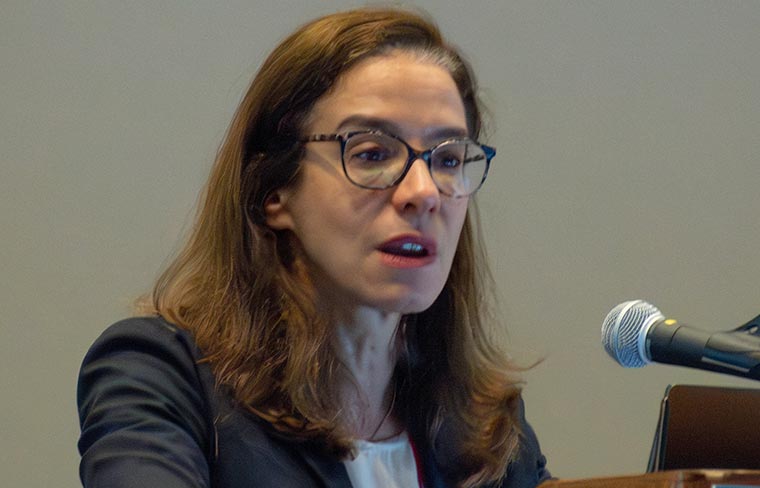
Panel shares ideas to augment traditional study approaches
Experts, including Deborah J. Wexler, MD, MSc, shared novel approaches to designing studies in diabetes health care. The importance of a collaborative approach among patients, care teams, and institutions was a common theme.
-

Diabetes Care Symposium examines how to fix a health care system driven by drug prices
Seth A. Berkowitz, MD, MPH, and other panelists discussed the challenges facing the U.S. health care system and how policy changes could address them.
-

Monoclonal antibody-peptide conjugate demonstrates efficacy as once-monthly treatment for obesity
Researchers, including Ania M. Jastreboff, MD, PhD, detailed the results of a phase 2 study of maridebart cafraglutide for inducing weight loss in adults living with obesity, with or without type 2 diabetes.
-
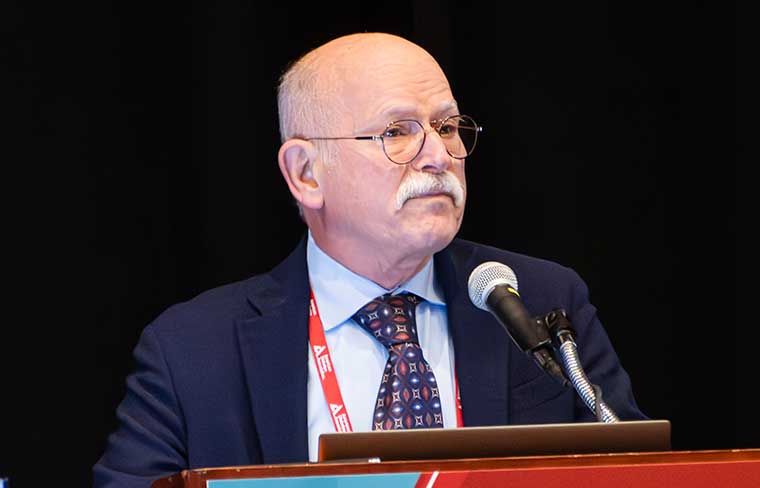
BELIEVE spotlights quality and quantity approach to weight management with combo therapy
Steven B. Heymsfield, MD, and other panelists discussed how bimagrumab can preserve the weight reduction seen with semaglutide while also improving body composition.
-
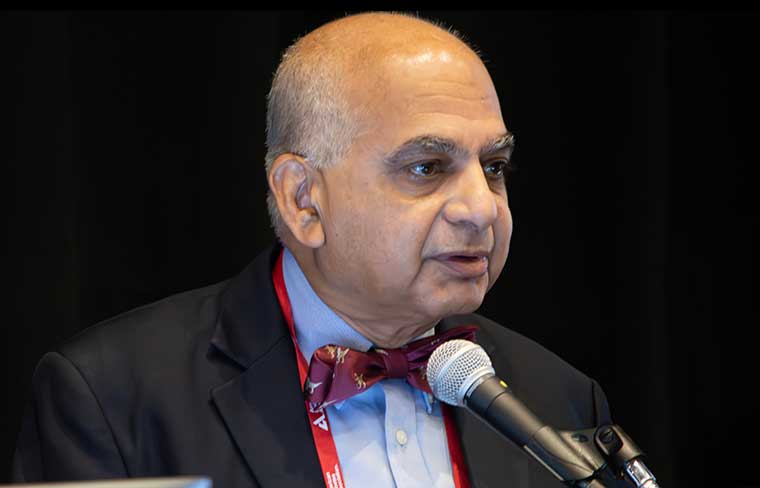
CATALYST shows mifepristone for hypercortisolism in type 2 diabetes reduces A1C, weight
Vivian Fonseca, MD, and other investigators explained the results of the largest prospective study to date of hypercortisolism in difficult-to-treat diabetes and pharmacotherapy of hypercortisolism.