
Soon-to-be-released new guidance on the management of type 2 diabetes features a more holistic approach toward assessing and changing behaviors and medications to improve outcomes over a person’s lifespan.
Experts from both sides of the Atlantic will review the key components of this multifactorial strategy in the session ADA EASD Consensus Statement on Management of Type 2 Diabetes: Management of Hyperglycemia in Type 2 Diabetes. This symposium will be held on Saturday, June 6 from 3:15–4:15 p.m. in Great Hall A of the Ernest N. Morial Convention Center. On-demand access to recorded presentations will be available to registered participants after the conclusion of the 2026 Scientific Sessions, from June 10–August 10.
The 2026 consensus statement, which has been circulated for public comment but has not been finalized, builds on a previous report released by the American Diabetes Association® (ADA) and the European Association for the Study of Diabetes (EASD).
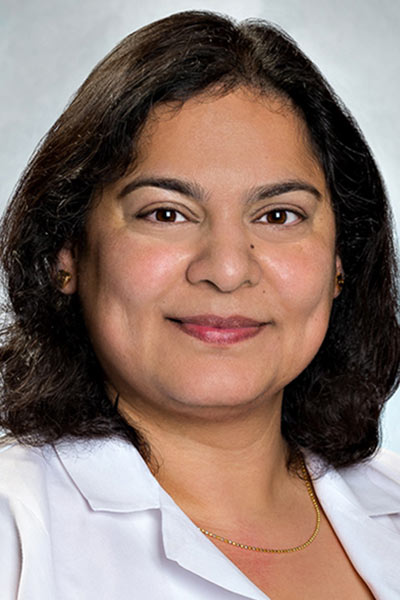
“In 2022, the ADA and the EASD came together and shifted us toward a more holistic approach to the person with type 2 diabetes,” said Vanita R. Aroda, MD, Associate Professor of Medicine and Director of Diabetes, Brigham and Women’s Hospital, Harvard Medical School. “It went beyond what medications to treat them with to include important areas such as education, lifestyle, physical activity, technology, and social determinants of health. The elevated blood glucose used to diagnose this type of diabetes can be seen as a biomarker of a lot of different processes that are going on in the body, such as higher cardiovascular risks.”
The ADA and EASD collaborate every four years to publish what is seen as a global consensus on the management of people with type 2 diabetes.
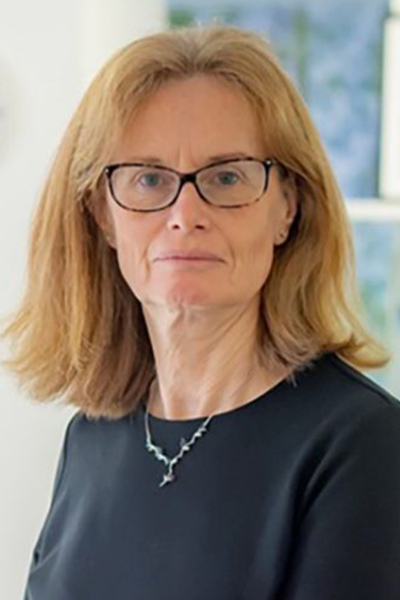
“The exciting thing is to bring together what the ADA is doing and what is going on in Europe, and there is much more agreement on many issues and challenges we face that are very similar wherever you work across the world, and that is a very powerful collective,” said Melanie Davies, CBE, MBChB, MD, FRCP, FRCGP, FMedSci, Professor of Diabetes Medicine at the University of Leicester Diabetes Research Centre, United Kingdom. She will discuss the rationale, importance, and context of glucose-lowering treatment addressed in the proposed consensus statement.
“Clearly, there are some exciting developments with the medicines we have for people living with diabetes, both in terms of glucose lowering and, now, much more around organ protection,” Dr. Davies continued. “At the same time, there is a lot of evidence around self-management programs and 24-hour physical behaviors, but the key is how to bring it all together to deliver it in a way that is meaningful for people living with diabetes.”
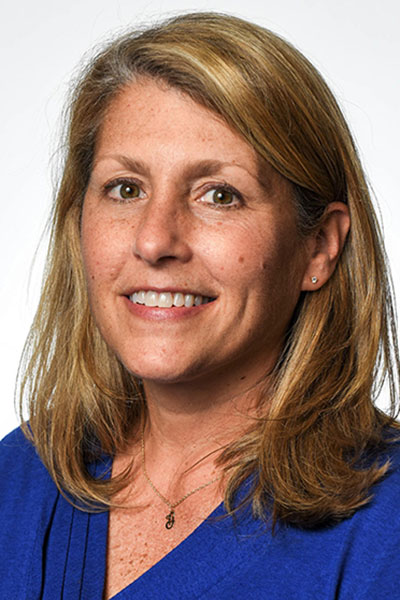
The proposed updates to the consensus statement expand significantly on the management recommendations published in 2022, focusing on what Jennifer Green, MD, Professor of Medicine, Duke Clinical Research Institute, Duke University School of Medicine, described as “individual or personal characteristics that would be useful and important in decision-making regarding the best therapeutic approach.” The previous iteration of this consensus statement was primarily focused on the presence or absence of cardiovascular and/or kidney disease.
“More information is now available to help guide these decisions, such as age and the presence or absence of conditions that often accompany diabetes and/or excess weight, e.g., metabolic dysfunction-associated liver disease (MASLD) and obstructive sleep apnea,” she noted.
Rounding out the symposium, Chantal Mathieu, MD, PhD, Professor of Medicine, Head of the Subdivision Diabetes, KU Leuven, Belgium, will briefly explore how to synthesize all these ideas into clinical action for people with type 2 diabetes, and John B. Buse, MD, PhD, the Verne S. Caviness Distinguished Professor of Medicine at the University of North Carolina at Chapel Hill School of Medicine, will identify remaining knowledge gaps.

Save the date
Make plans to join us June 18–21, 2027, for the 2027 Scientific Sessions at the Walter E. Washington Convention Center in Washington, DC. Registration will open in January.