


Clinicians who treat people living with diabetes are familiar with the classical micro and macrovascular complications of the disease. But as prevention and management improve outcomes for these classic complications, less-familiar complications are emerging.
This year’s ADA Diabetes Journal Symposium: Non-Classical Complications of Diabetes—Epidemiology, Mechanism, Treatment will provide an in-depth examination of four non-classical complications from Diabetes®, a journal of the American Diabetes Association®. The symposium will take place on Saturday, June 6 from 4:30–6:00 p.m. in La Nouvelle Orleans B of the Ernest N. Morial Convention Center. On-demand access to recorded presentations will be available to registered participants following the conclusion of the 2026 Scientific Sessions, from June 10–August 10.
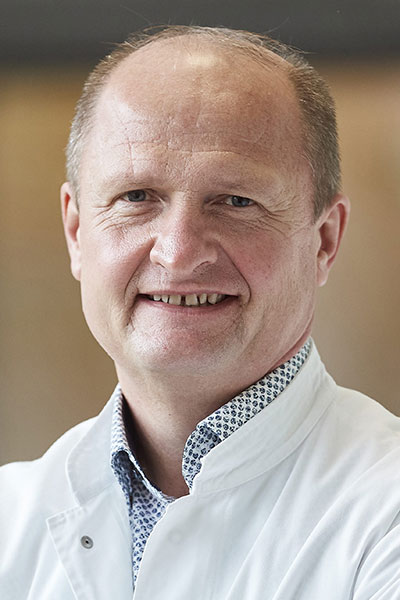
“Go back 10 years ago and nobody in diabetes really talked about the steatotic or fatty liver,” said Norbert Stefan, MD, PhD. “Fatty liver is very often observed in people with even mild hyperglycemia, hypertension, and dyslipidemia where you have high triglycerides and low HDL cholesterol. People with mildly elevated blood glucose in the prediabetes range and these metabolic disturbances very probably have a high risk of fatty liver.”
Dr. Stefan, who holds the Professorship for Clinical and Experimental Diabetology at the University of Tübingen and is the Head of the Department of Pathophysiology of Prediabetes at the Institute of Diabetes Research and Metabolic Diseases at the Helmholtz Centre Munich, Germany, will discuss the latest findings on metabolic dysfunction-associated steatotic liver disease (MASLD) and how it relates to the field of diabetes health.
Noting that anyone, regardless of their weight or body mass index (BMI), can develop MASLD in the presence of hyperglycemia, Dr. Stefan said, “Treating high blood glucose levels is often much more effective in treating MASLD than weight loss.”
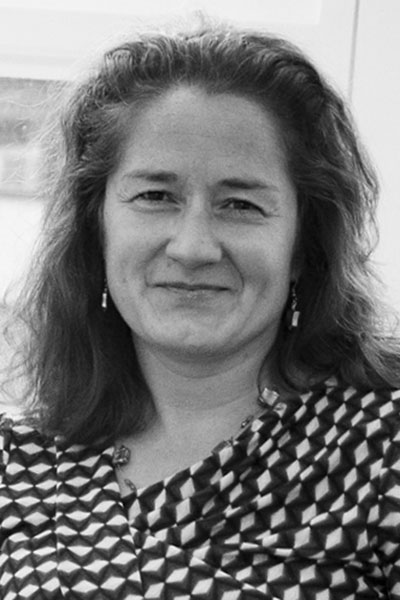
Julia Critchley, DPhil, Professor of Epidemiology and Division Lead in the Department of Population Health & Policy at City St George’s, University of London, United Kingdom, will discuss infection, which represents the third-highest underlying cause of death among people living with type 2 diabetes, exceeded only by cardiovascular disease and cancer.
“Infections are an important burden for people living with type 1 diabetes, type 2 diabetes, and prediabetes, and future diabetes guidelines need to better reflect this,” Dr. Critchley said. “Reducing both long-term blood sugar levels and variability may reduce infections. It is important for patients to have prompt access to blood sugar level monitoring and treatment of infections in primary care, particularly for vulnerable groups, which could reduce hospital admissions and potentially deaths from infections.”

The relationship between diabetes and cancer will be explored by Lorraine Lipscombe, MDCM, MSc, FRCPC, Professor of Medicine at Temerty Faculty of Medicine, the Dalla Lana School of Public Health, and Executive Director of the Novo Nordisk Network for Healthy Populations at the University of Toronto, Canada.
“Cancer is a very controversial area in diabetes,” Dr. Lipscombe. “Lots of studies give biologic plausibility that the metabolic derangements of diabetes can increase cancer risk. The biggest support is for hyperinsulinemia due to insulin resistance, which is typically what we see in type 2 diabetes.”
An increase in insulin production to combat growing insulin resistance can be seen even before the onset of clinical diabetes, Dr. Lipscombe said. It can also be seen in people with obesity but without diabetes. Insulin is a growth factor that can accelerate tumor growth and proliferation. Insulin may also stimulate production of insulin growth factor, which can trigger tumorigenesis.
“Hyperglycemia can also fuel cancer growth, most especially immature tumors that have not developed other means to fuel growth,” Dr. Lipscombe said. “People in a hyperglycemic setting are more likely to develop cancers and have cancer growth.”
Rounding out the panel, John Ussher, PhD, Associate Adjunct Professor of Pharmacy and Pharmaceutical Sciences at the University of Alberta, Edmonton, Canada, will look at diastolic dysfunction in diabetes-related cardiomyopathy.

Save the date
Make plans to join us June 18–21, 2027, for the 2027 Scientific Sessions at the Walter E. Washington Convention Center in Washington, DC. Registration will open in January.