
The medical care of young people with diabetes has often siloed away messaging about substance use and other behavioral health issues, but the two worlds are deeply interconnected—and clinical conversations should be, too, said Elissa Weitzman, ScD, MSc, Associate Professor of Pediatrics at Harvard Medical School and Director of Research for the Division of Addiction Medicine at Boston Children’s Hospital.

“If you are treating adolescents with diabetes, you might know about diabetes distress, but you may not know how substances are used to ameliorate that distress,” she said. “When those substances are used—alcohol, cannabis, pain medications—kids don’t take their insulin. They don’t get a good night’s sleep. Their nutrition and diet get really wonky. Their A1Cs don’t look like what you want them to look like. And the risk of future complications, as well as emergency events, like severe hypoglycemia, start to go up.”
Dr. Weitzman will be one of the presenters in the Ask the Expert session, Vapes and Vodka: What Every Diabetes Professional Should Know about Addressing Adolescent and Young Adult Substance Use, on Saturday, June 6 from 3:15–4:15 p.m. in Hall E-2 of the Ernest N. Morial Convention Center. On-demand access to recorded presentations will be available to registered participants following the conclusion of the 2026 Scientific Sessions, from June 10–August 10.
Alissa Roberts, MD, Associate Professor of Pediatrics at the University of Washington and a Pediatric Endocrinologist at Seattle Children’s Hospital, will begin the session by addressing substance use patterns, primarily focusing on tobacco, alcohol, and cannabis, as well as risks that are specific to adolescents with diabetes.
Years of data have shown that tobacco use increases the risk of both microvascular and macrovascular complications. Alcohol use is associated with a risk of hypoglycemia that can persist for 24 hours or longer following consumption. And although the literature has not shown a clear association between cannabis use and blood glucose fluctuations, Dr. Roberts said, diabetes professionals are seeing a higher risk of diabetic ketoacidosis (DKA), higher A1C, and a higher risk of hyperglycemic ketosis-cannabis hyperemesis syndrome.
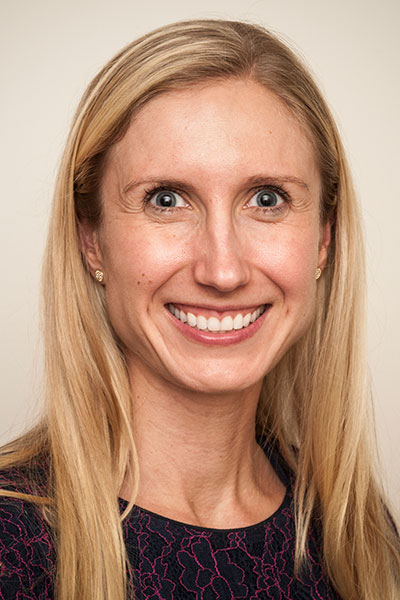
“Especially when we think about the risk of DKA and higher A1C, we know adolescence is a time where, from a population level, we see a peak in average A1C level and more hyperglycemia,” Dr. Roberts said. “If you add substance use to the already risk-laden period of adolescence, it just furthers that risk for some of those complications.”
Dr. Weitzman will present evidence-based strategies for engaging teens and young adults in clinical conversations about substance use. Those strategies include personalizing guidance to the specific lived experiences of adolescents with diabetes and using non-judgmental language that is relatable to youths who are navigating a period of intense change.
“There’s a science and an art to talking to young people about behavioral health,” Dr. Weitzman said. “It has to have medical resonance and emotional, affective, persuasive resonance. That’s going to take some time, a little expertise, and a lot of listening. When you pull that rabbit out of the hat, you see profound changes in attitudes, beliefs, and behaviors—and they’re enduring changes.”
Jeremy Pettus, MD, Associate Professor of Medicine at the University of California, San Diego, and Endocrinologist at UC San Diego Health, will also share his expertise on communicating about alcohol, cannabis, and blood glucose in diabetes care.
“We are coming at this from very different perspectives and different training backgrounds,” Dr. Roberts said. “It’s a nice way to have a well-rounded presentation that can help with the multifaceted team approach to this large, pressing issue.”

Save the date
Make plans to join us June 18–21, 2027, for the 2027 Scientific Sessions at the Walter E. Washington Convention Center in Washington, DC. Registration will open in January.