

When considering eating disorders, people often focus on the mental aspects of body image or other environmental drivers. However, a 1950s human starvation study demonstrated that there are biologically driven eating disorder behaviors that stem from restrictive eating. Therefore, while some of these behaviors are driven by culture and environment, others can be driven by imbalanced eating.
During the session, ADA DSMES/Nutrition Symposium: Disordered Eating in Diabetes and Obesity, a panel of experts will discuss the impact of eating disorders on diabetes and obesity and how to achieve sustainable wellness. The symposium will be held on Saturday, June 6 from 8:00–9:30 a.m. in Great Hall B of the Ernest N. Morial Convention Center. On-demand access to recorded presentations will be available to registered participants after the conclusion of the 2026 Scientific Sessions, from June 10–August 10.
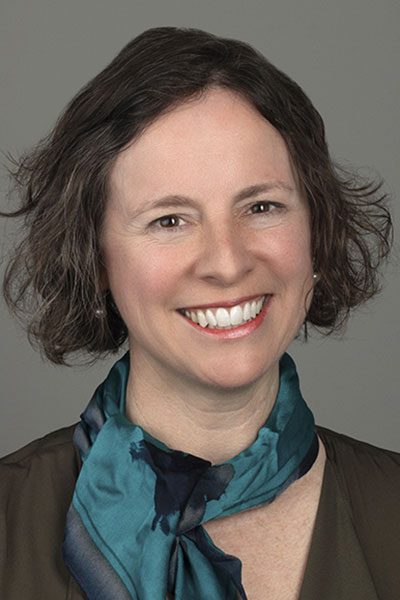
Nicole Patience, MS, RDN, LDN, CDCES, CEDS-C, a Certified Diabetes Care and Education Specialist with Joslin Diabetes Center, will discuss the impact of disordered eating on the body and how to recover and restore balance.
Regarding diabetes, the hypervigilance required to manage it can sometimes lead to disordered eating behaviors. Finding the right balance can be difficult, as it involves walking a fine line between maintaining a healthy relationship with food and managing diabetes without letting either take more time and attention than it should, Ms. Patience noted.
“When we refer someone with diabetes to nutrition counseling, the decision is often based on measures like A1C, time in range, food recall, weight, and insulin use,” she said. “However, these markers capture only part of how nutrition and disordered eating affect both physical and psychological health. This talk explores how well-intentioned diabetes care can inadvertently contribute to disordered eating behaviors and outlines the path to recovery by delineating collaborative care team roles and emphasizing the essential role of nutrition in restoring both physical and emotional wellbeing.”
Ms. Patience will outline strategies to restore balance once a person has engaged in restrictive eating, beginning with ensuring nutritional adequacy. However, she emphasized that recovery is not linear and that working toward a healthy relationship with food is not intuitive. It takes practice, body trust, and a strong multidisciplinary support team.
She will also discuss the different roles professionals play in supporting someone with disordered eating.
“Treating eating disorders means feeding the body, healing the mind, and stabilizing glucose,” she noted. “We can’t treat diabetes without feeding the body. Therefore, nutrition as part of diabetes care is not adjunctive, it’s foundational.”
Understanding how diabetes and disordered eating are connected is crucial for enhancing screening techniques, informing clinicians’ conversations with people living with diabetes, and supporting individuals in aligning with their healthy goals.
Additional panelists include Bhargavi Patham, MD, PhD, DABOM, DABCL, FACE, Houston Methodist Hospital; Abby Bleistein, MD, Healthful Life, Golden, Colorado; and Adrienne Youdim MD, Cedars Sinai Medical Center.
Save the date
Make plans to join us June 18–21, 2027, for the 2027 Scientific Sessions at the Walter E. Washington Convention Center in Washington, DC. Registration will open in January.