


-
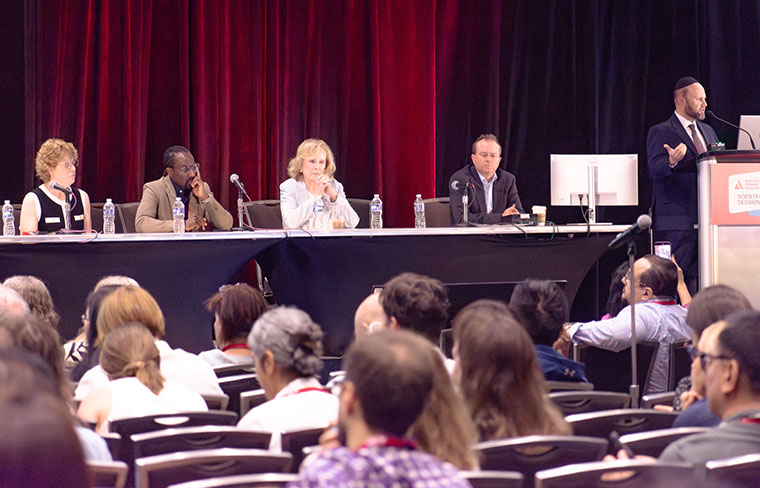
Expert panel addresses GLP-1 RAs’ factors, features, and future
Amid increasing attention for GLP-1 RAs, a panel of experts summarized a broad spectrum of topics related to these medications, including emerging pharmacological options, muscle physiology, obesity treatment for osteoarthritis, and nutritional counseling.
-
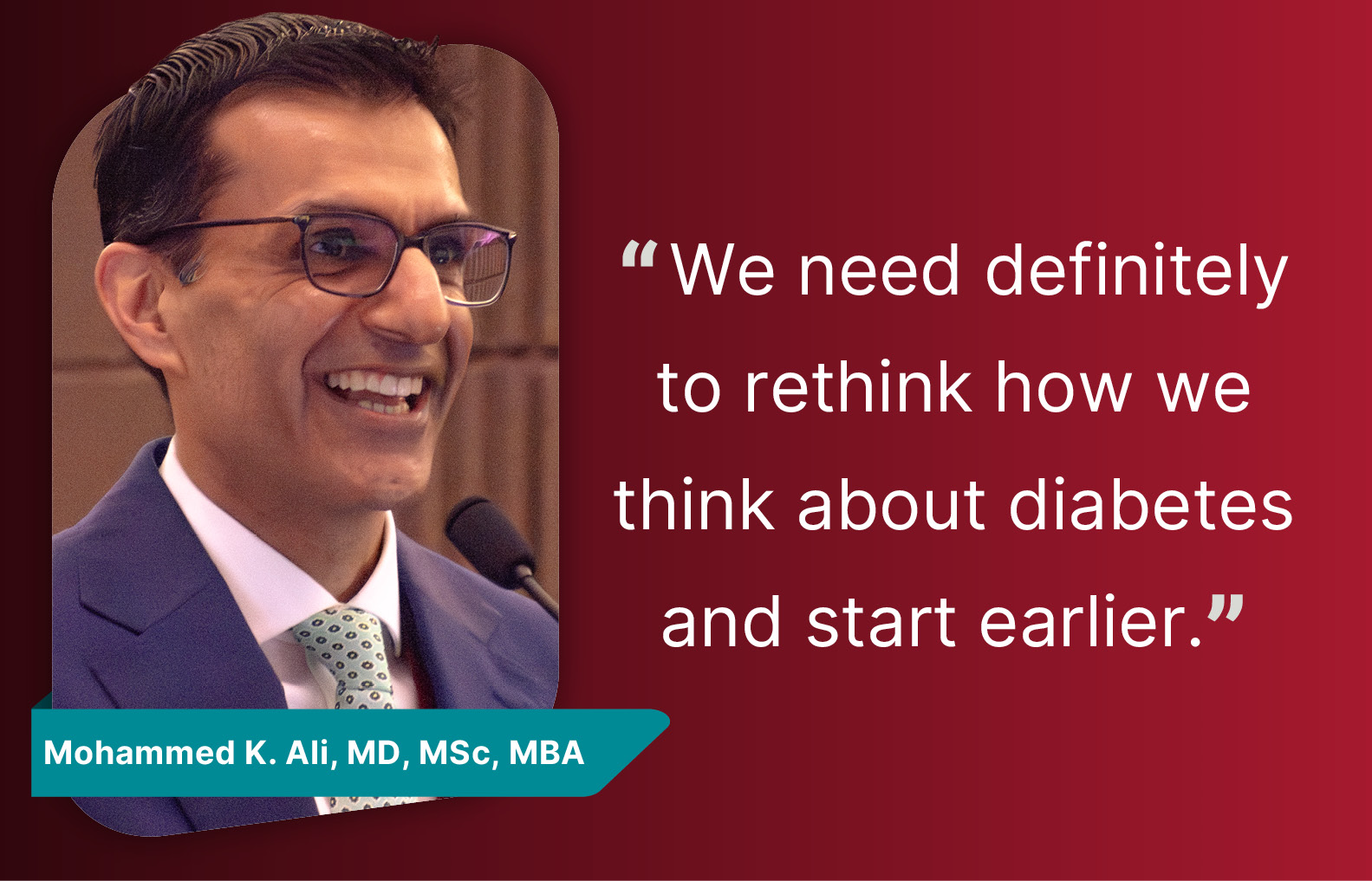
Kelly West lecturer outlines next steps for more precise definitions, preventions, and treatments for type 2 diabetes
Mohammed K. Ali, MD, MSc, MBA, who was being honored for his contributions to diabetes epidemiology, said the field is poised to move beyond a “one-size-fits-all” approach to diabetes public health policies.
-
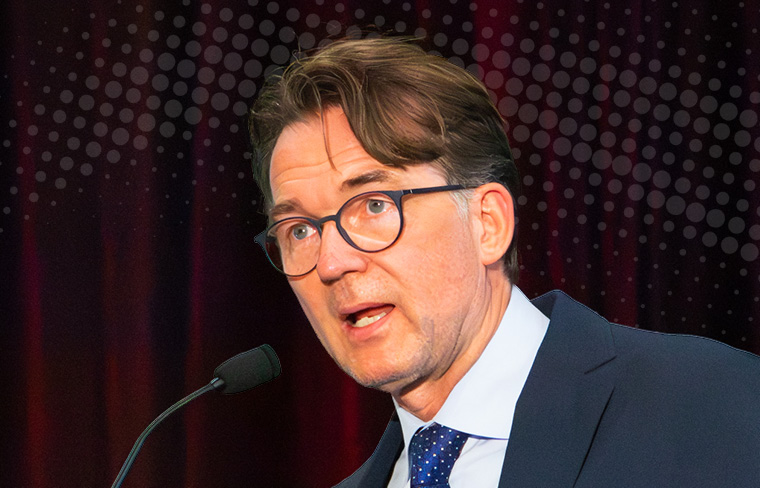
Glucagon/GLP-1 receptor dual agonist demonstrates efficacy for obesity and MASLD
Matthias H. Tschöp, MD, and other researchers detailed phase 3 results of SYNCHRONIZE-1 and SYNCHRONIZE-MASLD showing that survodutide leads to significant weight loss, reduction in liver fat, and other health improvements.
-
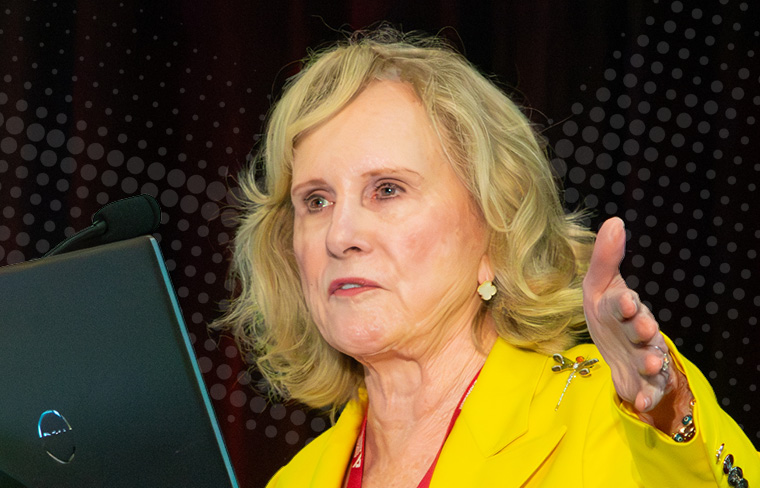
REIMAGINE trials demonstrate efficacy of combination therapy for treating type 2 diabetes
Donna Ryan, MD, and other panelists reported on new data from phase 3 trials evaluating the combination of cagrilintide, which mimics amylin, and semaglutide, a glucagon-like peptide-1 receptor agonist, in adults.
-
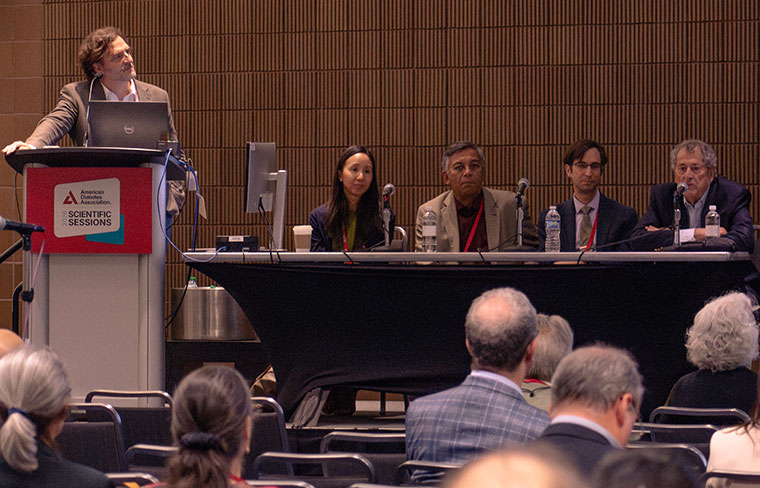
Panel discussion addresses potential and challenges of stem cell-derived beta cell therapy for type 1 diabetes
Trevor Reichman, MD, moderated the discussion, which included insights into eligibility criteria, immunosuppression, regulatory concerns, and top priorities.
-
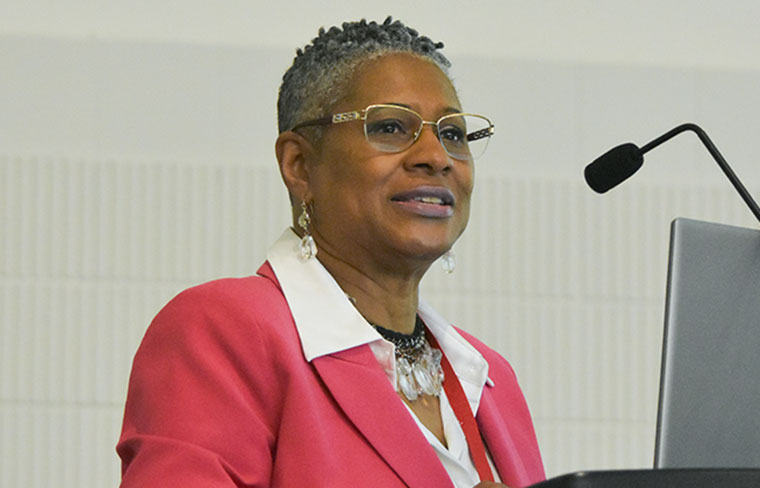
Speakers map the knowns, unknowns, and value of understanding diversity among people living with diabetes
Sherita Hill Golden, MD, MHS, and other presenters examined what needs to be done in diabetes care to better understand and provide treatment for the nation’s increasingly racially and ethnically diverse populations living with the disease.
-
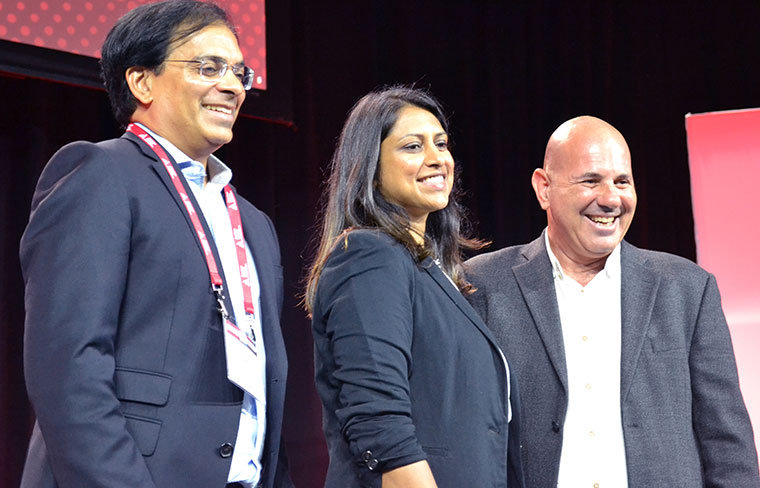
Innovation Challenge elevates creative solutions to diabetes challenges
Leaders of three start-up ventures pitched their novel product ideas at the Scientific Sessions and exited with connections for opportunities to accelerate their visions for redefining diabetes care and treatment.
-
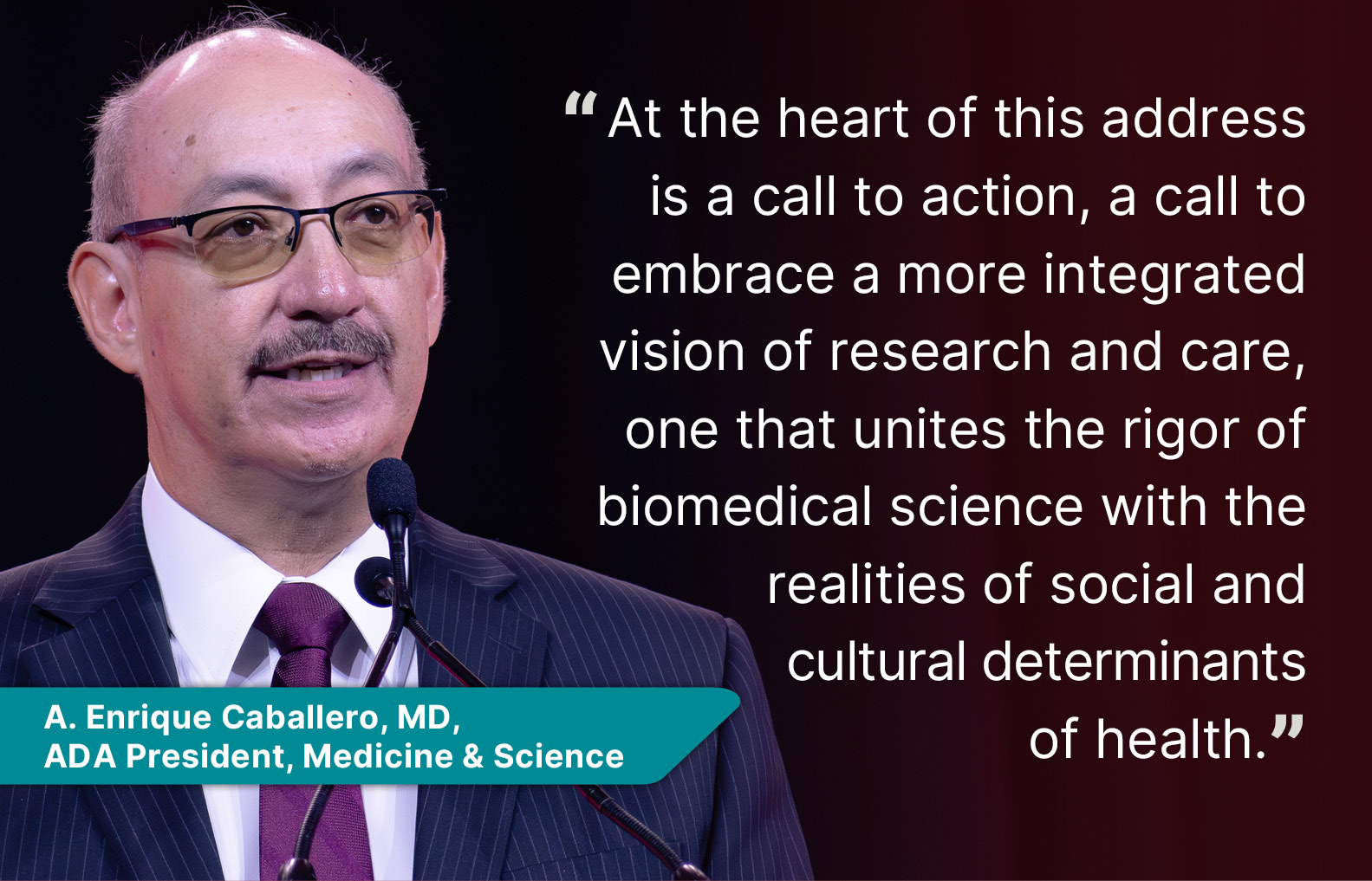
President of Medicine & Science calls for unifying biomedical science and social determinants of care
A. Enrique Caballero, MD, highlighted the progress advancing diabetes treatment and management while shedding light on existing gaps in care and advocating for integrating advances in science into the real-world context in which people live.
-
Banting Medalist encourages embracing the unexpected to drive medical innovation
In his award lecture, Takashi Kadowaki, MD, PhD, explained how contradictions between hypotheses and results have enabled him to achieve major breakthroughs in understanding type 2 diabetes.
-
Triple-hormone therapy demonstrates efficacy for type 2 diabetes and obesity
Activation of the glucagon receptor with retatrutide is being investigated in a large phase 3 program that includes 14 trials and more than 22,000 participants. Researchers, including Ania Jastreboff, MD, PhD, shared data from two of the trials, TRANSCEND-T2D-1 and TRIUMPH-1.