
The 2026 Scientific Sessions symposium, Diabetes Year in Review: Major Advances and Discoveries, will highlight the latest developments in diabetes over the past year from clinical, translational, and basic science perspectives.
The symposium will take place on Sunday, June 7 from 1:30–3:00 p.m. in La Nouvelle Orleans C of the Ernest N. Morial Convention Center. On-demand access to recorded presentations will be available to registered participants following the conclusion of the meeting, from June 10–August 10.

Anne Peters, MD, Professor of Clinical Medicine and Clinical Scholar at Keck School of Medicine at the University of Southern California (USC) and Senior Scholar at the USC Schaeffer Institute, will lead off the session by addressing what’s new in diabetes treatment and management, noting the increase in options for both medications and technology.
She will review new pharmaceutical agents and approaches to treatment, highlighting emerging data on how devices are working as lifestyle-modifying tools, and how the technology is being applied for individuals with non-insulin-requiring diabetes and prediabetes. New developments on cell-based and immunotherapy treatments also will be presented, as will current data on incretin therapy.
“The technology is always advancing. I’ll cover how we use tools and treatments as wisely as possible based on emerging data,” said Dr. Peters. “We have so many advances, which are all part of a pathway to global risk reduction.”
She will also reinforce the importance of supporting primary care providers, emphasizing the availability of tools that do not require an endocrinology referral.
“The more we can help them and boost education on these new topics, the better,” said Dr. Peters. “Our affiliation with primary care and educators is vital. Technology has to be in the hands of those who see patients the most. With what we have, we can do so much.”

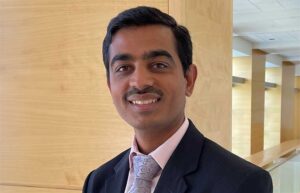
Raghu Mirmira, MD, PhD, Professor of Medicine at The University of Chicago, will summarize current research across multiple areas, including pre-clinical studies in animal models; study of human cells, tissues, serum, plasma, etc.; and studies conducted on humans, such as mechanistic studies to understand detailed physiology and impacts on metabolic control.
“Translational studies have given us new insight into cellular function and the hormones they release, and how a better understanding of how hormones work may actually lead to new therapeutics we’ve not imagined until now,” Dr. Mirmira said. “This research is looking at the consequential phenotype of the cells, which offers insight into new directions for therapy in a way that would cause us to think differently.”
He will deliver an overview of the latest studies covering the three broad disease areas—type 1 diabetes, type 2 diabetes, and obesity—and more general metabolic diseases.
“With type 1 diabetes, the notion of reprogramming autoreactive immune cells that attack beta cells has been gaining a lot of traction, and these are new directions we’re headed,” Dr. Mirmira said.
Studies in type 2 diabetes have focused on better understanding the islet and its release of insulin, glucagon, and other hormones, and how this affects the progression or severity of the disease, he noted. Dr. Mirmira will also address the latest studies on the liver and how islets affect its ability to regulate overall homeostasis in humans.
In obesity and obesity-related metabolic disease, Dr. Mirmira will discuss how, over the past year, there has been a greater appreciation of pancreatic hormones and their interactions with the liver. Two key areas include glucagon-like peptide-1 (GLP-1) and related peptides, and a greater appreciation for glucagon and its role in the liver. As glucagon, along with GLP-1-based medications, is now becoming part of a multi-pronged approach to obesity, many papers are emerging in this area.
Barbara Kahn, MD, the George R. Minot Professor of Medicine at Harvard Medical School and Beth Israel Deaconess Medical Center, will offer insight into advances in the basic science of diabetes.
Save the date
Make plans to join us June 18–21, 2027, for the 2027 Scientific Sessions at the Walter E. Washington Convention Center in Washington, DC. Registration will open in January.