

-
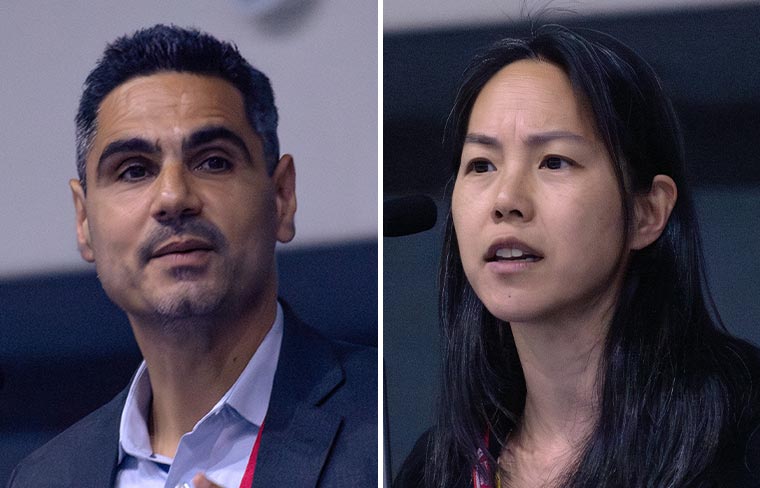
Panelists present pros and cons of full, immediate integration of AI into healthcare delivery
Nestoras Mathioudakis, MD, MHS, and Neda Laiteerapong, MD, discussed the pros and cons—from alleviating burnout to passing off hallucinations—of bringing artificial intelligence fully on board in clinical care today.
-
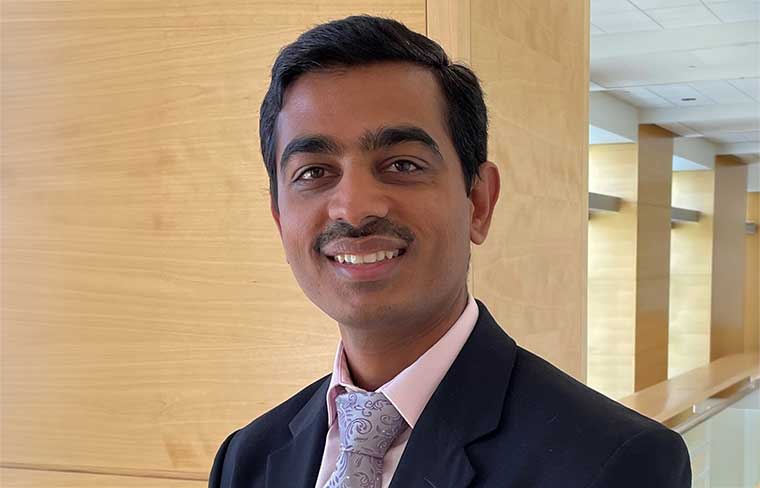
Emerging technology, new clinical algorithm target DKA
During multiple sessions at the 2026 Scientific Sessions, experts, including Viral N. Shah, MD, explored the potential, challenges, and questions surrounding continuous ketone monitoring and other considerations for diabetic ketoacidosis, which results in more than 250,000 hospital admissions in the U.S. each year.
-
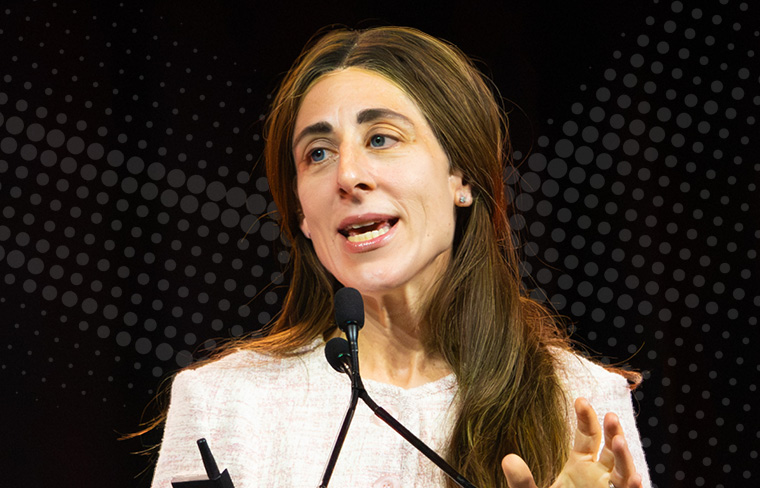
Outstanding Educator in Diabetes Award recipient: Value the stories behind the numbers
In her award lecture, Diana Isaacs, PharmD, BCACP, CDCES, BC-ADM, FADCES, FCCP, advocated embracing new tools and technology while keeping the people living with diabetes central to new approaches to care.
-
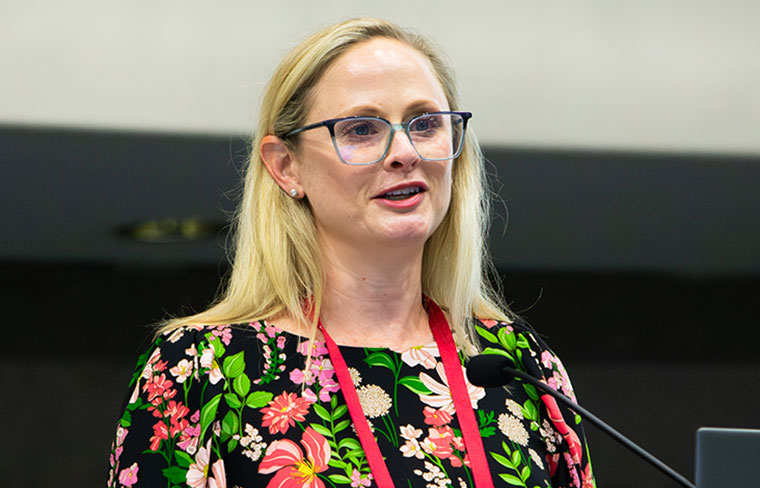
GLP-1 RA use, technology, unique needs of individuals are recurring themes in the latest updates to the Standards of Care in Diabetes
Six panelists, including Elizabeth Ann Beverly, PhD, explained the latest additions and changes within selected chapters to the Standards of Care in Diabetes—2026, the gold standard in evidence-based guidelines for diagnosing and managing diabetes and prediabetes.
-
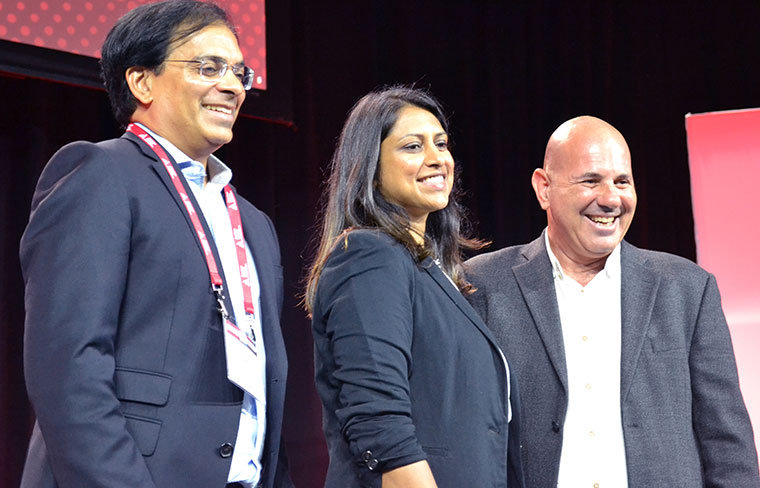
Innovation Challenge elevates creative solutions to diabetes challenges
Leaders of three start-up ventures pitched their novel product ideas at the Scientific Sessions and exited with connections for opportunities to accelerate their visions for redefining diabetes care and treatment.
-
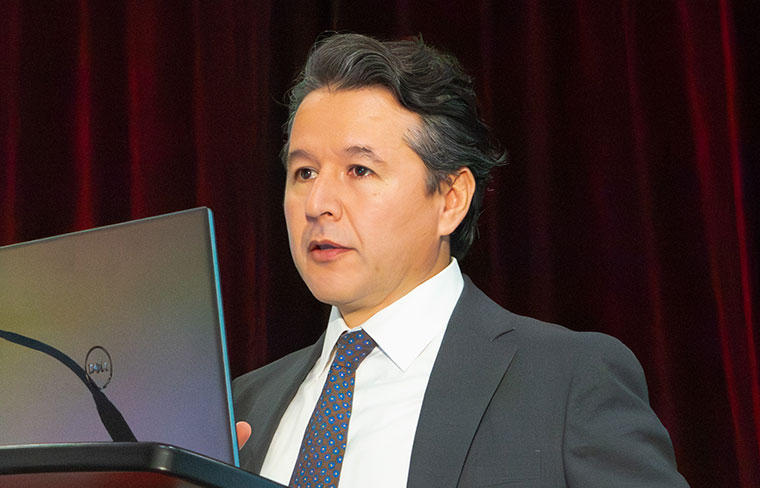
Automated insulin delivery demonstrates efficacy in glycemic management in the hospital
Francisco Pasquel, MD, MPH, and other panelists presented new data from the AIDING trial, which compared automated inulin delivery to multiple daily injections combined with continuous glucose monitoring in individuals with type 1 diabetes or type 2 diabetes during hospitalization.
-
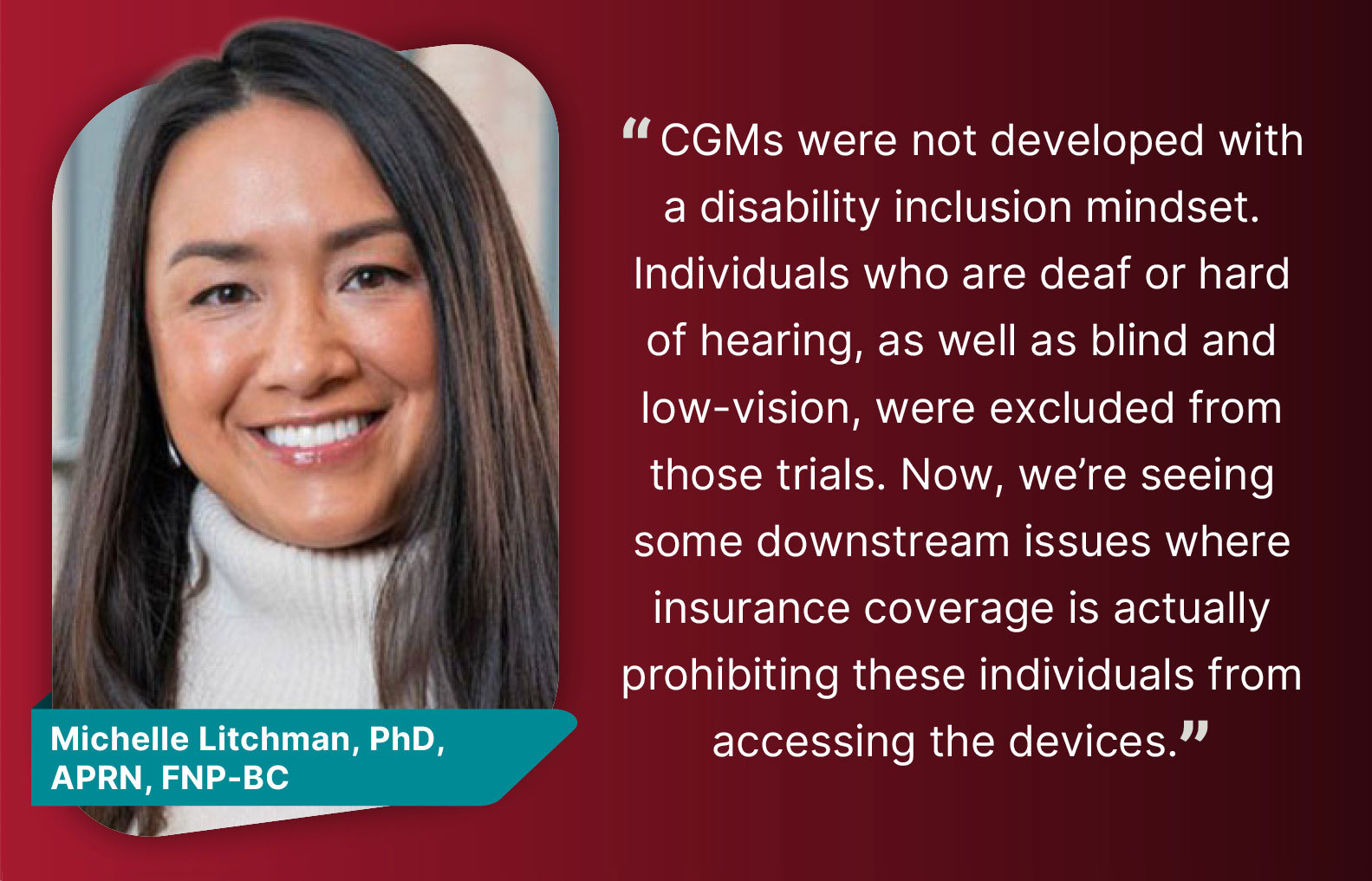
Discussion to consider pragmatic solutions through diabetes technology across diverse demographics and settings
Michelle Litchman, PhD, APRN, FNP-BC, and other experts will examine data, challenges, and best practices around the use of continuous glucose monitoring (CGM) and automated insulin delivery (AID) devices among children, older adults, the Deaf community, and inpatient populations.
-

Debate to weigh speed of AI adoption in diabetes care
Nestoras Mathioudakis, MD, MHS, and Neda Laiteerapong, MD, will debate the merits of incorporating artificial intelligence (AI) into health care delivery now versus taking a wait-and-see approach. They will discuss cost and quality of care and clinician burnout as key factors to consider.
-
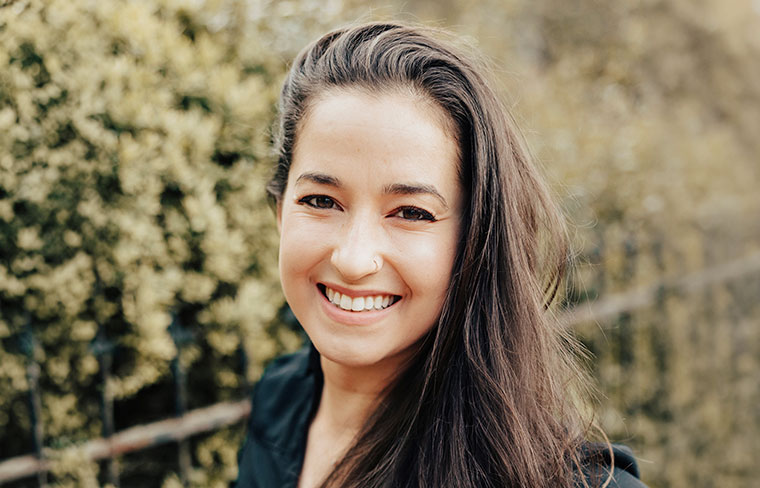
Symposium to introduce novel approaches to harnessing tech in diabetes management
One of the panelists, Anna Kahkoska, MD, PhD, will explain how to leverage electronic health records to automate diabetes distress screening and facilitate practitioner conversations.
-

Symposium to examine AI’s current and near-future impact on diabetes tech
Boris Kovatchev, PhD, and other panelists will share recent developments in the application of artificial intelligence in automated insulin delivery, clinical decision-making, nutrition estimation, diabetes coaching, and more.