
An expert in diabetes technology education and recipient of this year’s Outstanding Educator in Diabetes Award said that while new technologies and artificial intelligence (AI) will continue to bring profound benefits, people must remain at the center of successful diabetes healthcare.
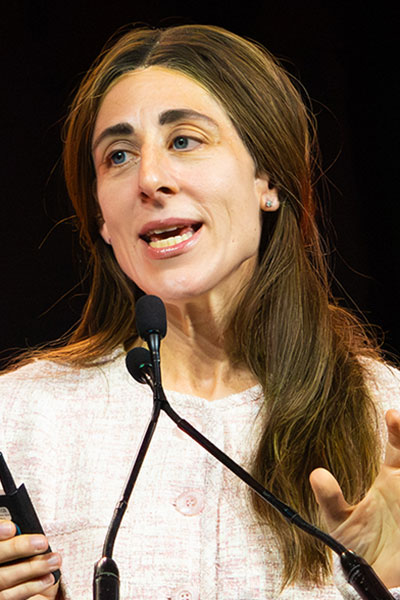
“I believe we can transform diabetes care and education by combining diabetes technology and the human touch. As excited as I am about all the advances, including how AI can make us more efficient, I believe the human touch will be more important than ever,” said Diana Isaacs, PharmD, BCACP, CDCES, BC-ADM, FADCES, FCCP.
Dr. Isaacs made her remarks after receiving her award from the American Diabetes Association® (ADA) at the session, National Scientific & Health Care Achievement Awards Presentation, Outstanding Scientific Achievement Award Lecture and Outstanding Educator in Diabetes Award Lecture, on Monday, June 8, the closing day of the 2026 Scientific Sessions.
On-demand access to recorded presentations, including Dr. Issacs’ lecture, will be available to registered participants of the 2026 Scientific Sessions through August 10.
Inspired by diabetes initiatives led by mentors such as Jess Kerr, PharmD, and James C. Lynch, PharmD, Dr. Isaacs began focusing on diabetes during her time in pharmacy school. After additional training, she broke new ground by joining the Cleveland Clinic in 2016 as its first full-time clinical pharmacist dedicated to endocrinology.
“They weren’t sure exactly what to do with me, so I did a lot of listening,” Dr. Isaacs explained.
In retrospect, Dr. Isaacs said that period of listening provided a foundation for her to better understand patient perspectives and needs as they grappled with the onset of transformative technology, such as continuous glucose monitoring (CGM) and automatic insulin delivery (AID). Likewise, healthcare professionals were facing obstacles in learning how to efficiently and clearly explain procedures, such as titrating insulin and medication, for those needing more complex care, and how to interpret insulin pump data and adjust insulin pumps.
As this explosion of new CGM and AID devices shaped diabetes healthcare, Dr. Isaacs and others developed ways to bridge the gap between what was technologically possible and what could best be adapted for the daily lives of those living with diabetes. One new approach was the concept of shared medical appointments (SMAs), where a small group of people with diabetes was introduced to CGM through classes and a shared analysis of the data with their peers, as well as with a coordinated team of pharmacists, nurses, dietitians, and other clinicians.
Dr. Isaacs co-authored a 2021 study showing that her clinic’s SMA helped reduce A1C levels, increase patient understanding of concepts, such as post-prandial glucose changes, and generally improve the efficacy of self-management of diabetes.
Over the past decade, Dr. Isaacs has authored studies and led initiatives exploring the transformative role of a diabetes care and education specialist, with an emphasis on how this role can empower people living with diabetes to better use technology. She has worked with numerous organizations, including the ADA, on research papers, guidelines, and standards of care focusing on diabetes technology, education, and the importance of listening to patients, configuring technology to personal needs, and collaborating with data-driven conversations for shared decision-making toward realistic goals.
“Analyzing data is like a big puzzle, but also a good reminder that for most people, we aim for 70% time in range. We do not aim for perfection because there are so many variables that affect glucose. In fact, we don’t need to be perfect to do better and to achieve healthy outcomes,” Dr. Isaacs said. “It is about figuring out how the person with diabetes is uniquely affected by these variables and navigating solutions when possible.”
Dr. Isaacs pointed to resources that can empower patients, such as the ADA’s Patient Education Library and Consumer Guide, which allow individuals to examine and compare different diabetes technologies against a backdrop of rapidly evolving options.
“The rate of technology advancements over the last decade has been incredible, and it is likely to continue even faster,” said Dr. Isaacs. “But I am doubtful that AI could ever replace the diabetes care and education specialists because we have the human touch. Please remember that behind every number is a story—start the conversation so that you can hear the story.”
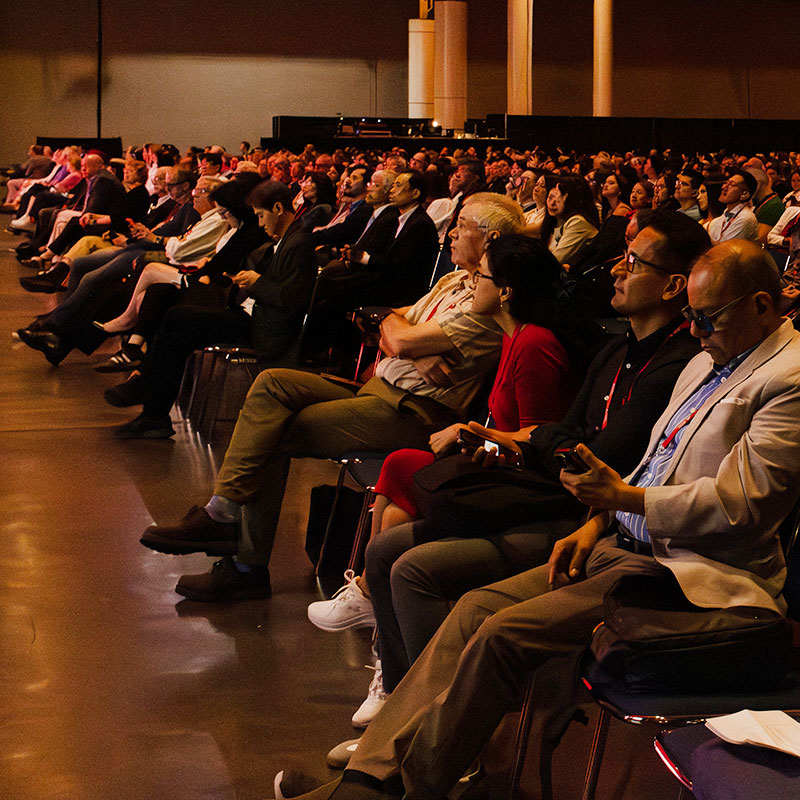
Save the date
Make plans to join us June 18–21, 2027, for the 2027 Scientific Sessions at the Walter E. Washington Convention Center in Washington, DC. Registration will open in January.