


A critical aspect of the art of medicine is tailoring treatments for individuals that can be integrated into their daily lives with minimal burden. The Monday, June 8 session, Diabetes Technology Use Across Life Situations, will explore this concept to optimize technology use in care across diverse patient populations.
The panel discussion will take place from 8:00–9:30 a.m. in Hall E-3 of the Ernest N. Morial Convention Center. On-demand access to recorded presentations will be available to registered participants following the conclusion of the 2026 Scientific Sessions, from June 10–August 10.
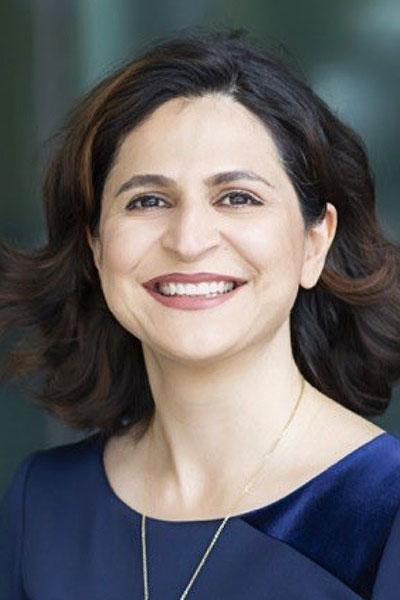
Laya Ekhlaspour, MD, Associate Professor of Pediatrics at the University of California, San Francisco, will kick off the session with a presentation on managing diabetes technology in young children. She will review various continuous glucose monitors (CGMs) and automated insulin delivery (AID) systems on the market or in the development pipeline. According to Dr. Ekhlaspour, a challenge to treating young children living with diabetes is that these devices are primarily developed for adults with type 1 diabetes.
“None of these systems is initially designed to be used by very young children, even though we know their diabetes is very challenging,” Dr. Ekhlaspour said. “So, my job as a pediatric endocrinologist is to support the engineers while developing these systems to assess the safety and feasibility of the systems, and learn whether we need to improve the algorithms and the devices based on children’s needs.”
Dr. Ekhlaspour will also present data underscoring the importance of considering the psychosocial impact these devices might have on the overall quality of life for young children living with diabetes as well as for their families who are often actively involved in monitoring and managing their care.
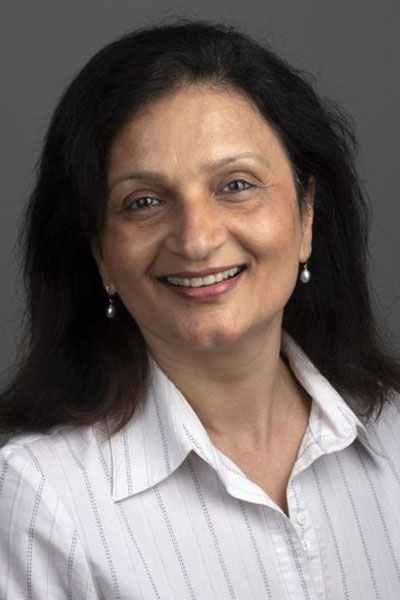
Medha Munshi, MD, Professor of Medicine at Harvard Medical School, will then shift the discussion to technology for older adults, both those living at home and in long-term care facilities. Dr. Munshi asserted that older individuals with diabetes are a very heterogeneous group, dealing with factors that include comorbidities, access to care, and diverse living situations. For individuals who live at home, collaborative conversations about their physical and cognitive functioning, as well as care support (spouses, family, or hired help), can go a long way toward identifying the optimal CGM or AID system for their treatment plan.
“The technology is getting a lot more user-friendly, even for older adults,” Dr. Munshi said. “It’s definitely cost-effective to educate these individuals so people don’t fall or get hypoglycemia and end up in the hospital requiring long-term care.”
Diabetes management for individuals in a long-term care facility presents unique challenges with no easy answers. People living in a long-term care facility often have multiple comorbidities that cause serious limitations on their physical and/or cognitive abilities. The burden of care then falls on the facility’s staff. However, the strict regulations and workflows that long-term care centers must follow make integrating a patient using a CGM or AID system strenuous.
“It requires a lot of education and protocols to make staff members comfortable with providing care for these individuals, and because of that, a lot of facilities do not accept individuals when they present with issues related to diabetes because they’re afraid of the potential medical and legal issues,” Dr. Munshi explained.
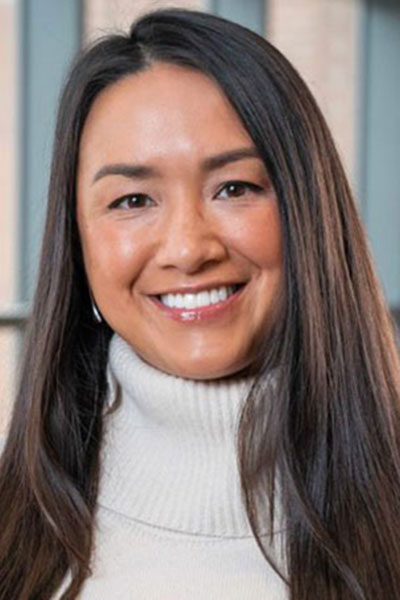
Michelle Litchman, PhD, APRN, FNP-BC, Associate Professor at the University of Utah College of Nursing and School of Medicine, will expand the session’s scope to include technology management for people with sensory disabilities, such as blindness or deafness. For some of these individuals living with diabetes, access to the necessary devices is an initial barrier that must be overcome.
“CGMs were not developed with a disability inclusion mindset. Individuals who are deaf or hard of hearing, as well as blind and low-vision, were excluded from those trials,” explained Dr. Litchman. “Now, we’re seeing some downstream issues where insurance coverage is actually prohibiting these individuals from accessing the devices.”
When access isn’t a problem for individuals with sensory disabilities, devices like CGMs or insulin pumps often require enhancements to ensure they’re practical. For example, someone who is deaf or hard of hearing might be unable to hear alarms on these devices that require action, therefore requiring them to purchase other devices as a workaround.
“Other devices might include a smart watch and a CGM display that can be seen in more prominent areas around the house, so they can be alerted more easily. But insurance doesn’t cover these,” Dr. Litchman said. “It’s important to know that these hacks or workarounds are often inclusive.”
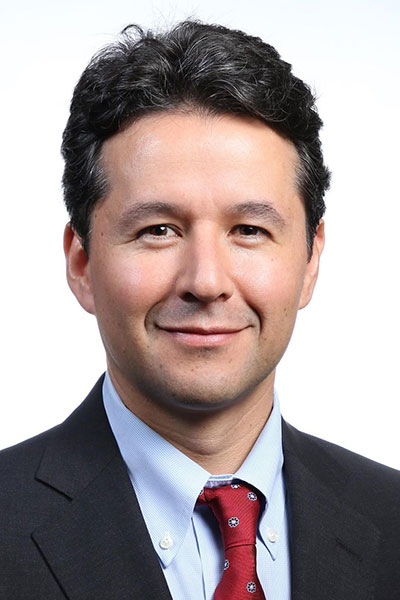
The panel discussion will also include an investigative look at AID systems in the inpatient setting, led by Francisco Pasquel, MD, MPH, Associate Professor at the Emory University School of Medicine. Communication and planning with these devices in the inpatient setting are critical, as patients’ conditions can fluctuate significantly in the hospital.
“These devices are designed for personal use in the outpatient setting, so integrating them into the hospital workflow is a challenge,” explained Dr. Pasquel. “Implementation requires staff training, along with policies and strategies to mitigate improper uses of the device.”
Dr. Pasquel will also present results from AIDING, a randomized clinical trial that evaluated AID initiated in the hospital compared with multiple daily injections in hospitalized individuals living with type 1 or type 2 diabetes. Both groups used real-time CGM with remote monitoring to help reduce significant glucose excursions. The primary endpoint was time spent in the target range, and Dr. Pasquel noted that investigators observed a substantial inter-group difference among the results.
“We saw that AID significantly increased the time in the target glucose range, compared to the control group, without an increase in hypoglycemia, and the findings were consistent across different categories of diabetes,” Dr. Pasquel said.

Save the date
Make plans to join us June 18–21, 2027, for the 2027 Scientific Sessions at the Walter E. Washington Convention Center in Washington, DC. Registration will open in January.