
The American Diabetes Association® (ADA) recommends screening for prediabetes and type 2 diabetes at any age among adults living with overweight or obesity with at least one risk factor, and beginning at age 35 for all people. For type 1 diabetes, the ADA recommends autoantibody-based screening be offered to presymptomatic individuals with a family history of type 1 diabetes or otherwise known elevated genetic risk. However, despite this guidance, the public health and medical sectors aren’t regularly screening these individuals.
The Monday, June 8 symposium, Old Problems, Bold Solutions: Transforming Diabetes Screening with Innovative Solutions, will address ways to improve diabetes screening. The session will be held from 3:15–4:15 p.m. in room 343 of the Ernest N. Morial Convention Center. On-demand access to recorded presentations will be available to registered participants following the conclusion of the 2026 Scientific Sessions, from June 10–August 10.
Ines Casanova, PhD, Assistant Professor of Applied Health Science at Indiana University School of Public Health, emphasizes that closing the diabetes screening gap will require community-driven innovation. She will discuss an ongoing project that utilizes mobile pop-up units for diabetes screening and prevention.
“This project aimed to think creatively and collaborate with the Latino community to co-design mobile units tailored to their needs, helping the community access diabetes screenings and referrals to relevant resources,” Dr. Casanova said.
The mobile units in this project are unique because, rather than vehicles, they consist of portable pop-up tents that community health workers can easily store in their cars and assemble in 15 to 20 minutes. This approach minimizes vehicle maintenance costs and provides greater flexibility in choosing setup locations.
This project has been operational for a year, serving over 200 people. During this period, they referred many individuals with high A1C levels to community settings and conducted follow-ups after three months.
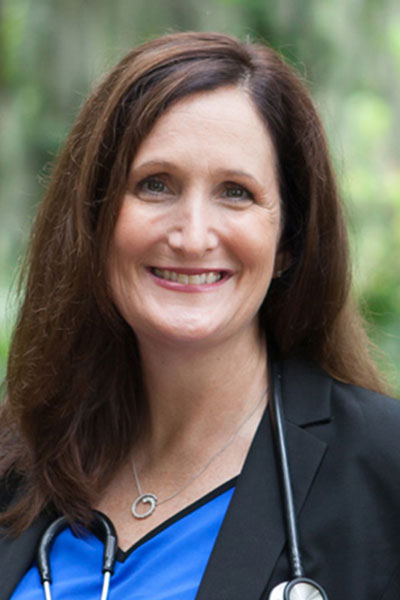
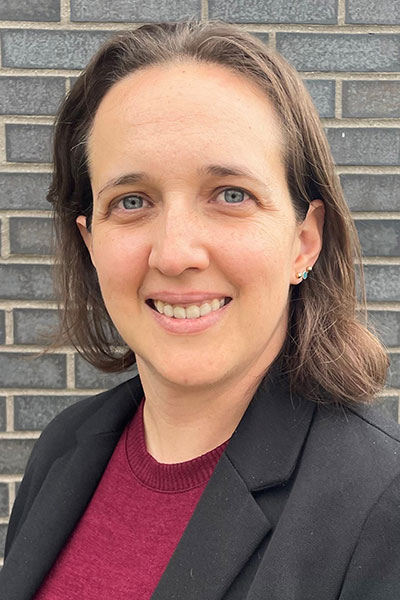
Albanese-O’Neill,
PhD, APRN, CDCES
Anastasia Albanese-O’Neill, PhD, APRN, CDCES, Vice President of Medical Affairs at Breakthrough T1D, will discuss recommendations for screening and monitoring across the stages of type 1 diabetes.
Decades of research on screening to detect early type 1 diabetes have shown substantial benefits. Early diagnosis can decrease the occurrence of diabetic ketoacidosis at diagnosis from the current high of 25–50% to less than 5%. Additionally, individuals diagnosed in early-stage type 1 diabetes, before symptoms appear and insulin is required, may be eligible for a 2022-approved therapy designed to delay the onset of type 1 diabetes. Moreover, there are at least 20 currently recruiting clinical trials investigating other ways to protect insulin-producing beta cells, but some of those require detecting it early, and that requires screening.
“Since the discovery of insulin, we have largely focused on the metabolic consequences of a type 1 diabetes diagnosis. We are now witnessing an inflection point in the field that will require changes in clinical practice,” Dr. Albanese-O’Neill said. “We can detect type 1 diabetes in its earliest stages, reduce the risk for hospitalization, and offer approved treatments and clinical trial opportunities. All members of the care team have a role in shaping the future care paradigm.”
Susan D. Brown, PhD, Associate Professor in the Department of Internal Medicine at the University of California, Davis, will discuss digital health outreach to promote postpartum screening after gestational diabetes.

Save the date
Make plans to join us June 18–21, 2027, for the 2027 Scientific Sessions at the Walter E. Washington Convention Center in Washington, DC. Registration will open in January.