


-

Joint ADA/IDF symposium to address malnutrition-related diabetes diagnosis, treatment, and research needs
Peter E. H. Schwarz, MD, PhD, MBA, and other leading experts from across the globe will discuss the latest information on the prevention, diagnosis, and treatment of what an international working group has designated as type 5 or malnutrition-related diabetes.
-

Panel to offer strategies for supporting psychological wellbeing for women and girls with diabetes
Paige Trojanowski, PhD, and other panelists will present the latest findings on unique diabetes challenges during female adolescence, pregnancy, postpartum, parenting, menopause, and hormone replacement therapy.
-

Debate to weigh speed of AI adoption in diabetes care
Nestoras Mathioudakis, MD, MHS, and Neda Laiteerapong, MD, will debate the merits of incorporating artificial intelligence (AI) into health care delivery now versus taking a wait-and-see approach. They will discuss cost and quality of care and clinician burnout as key factors to consider.
-
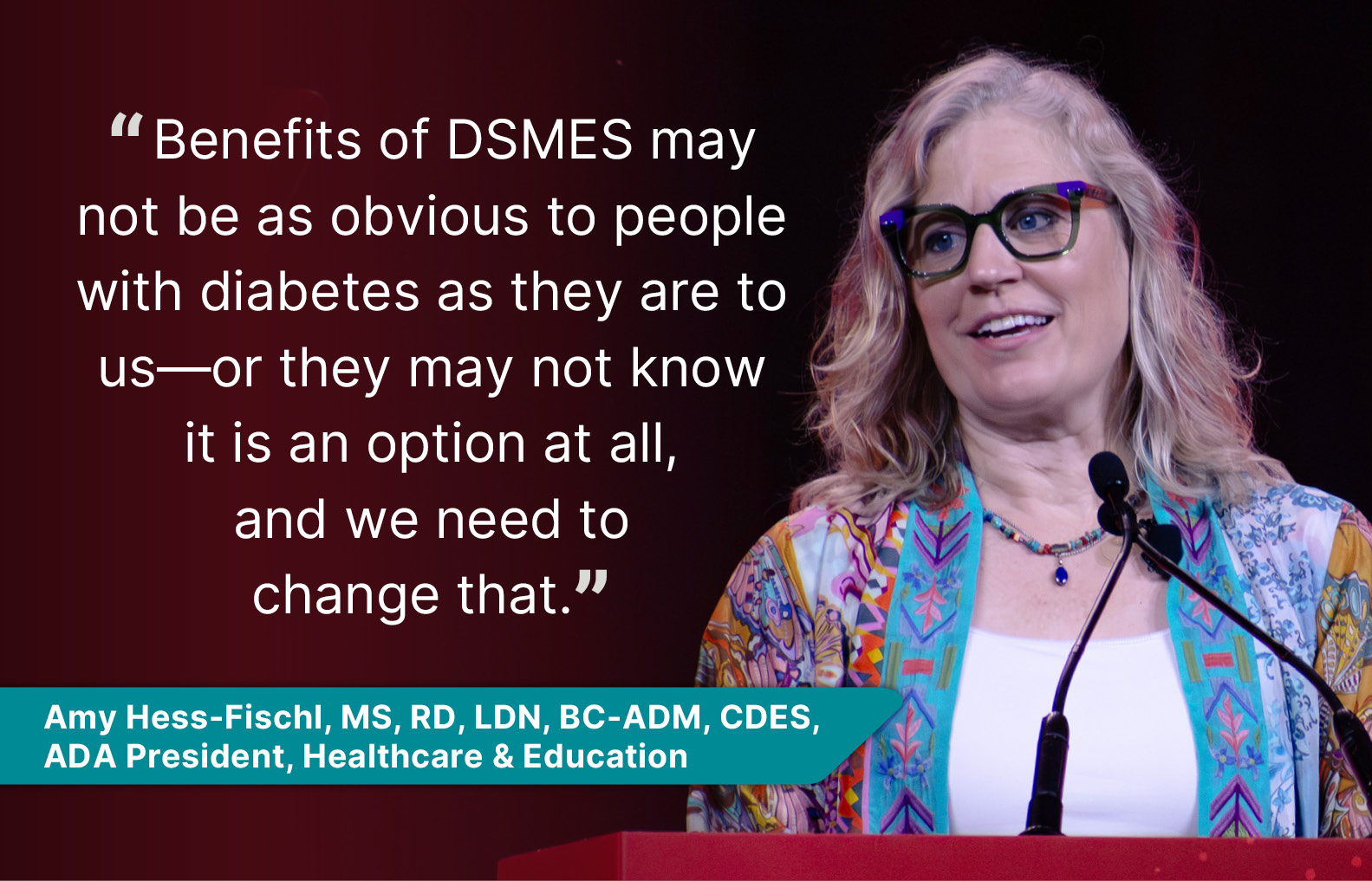
ADA President, Healthcare & Education highlights power and future potential of diabetes education and support
Amy Hess-Fischl, MS, RD, LDN, BC-ADM, CDCES, touted the success of diabetes self-management education and support (DSMES) programs and outlined steps to build on proven strengths. Saturday’s special session also included this year’s Distinguished International Service in the Cause of Diabetes Award Lecture.
-
Dual GLP-1/GIP receptor agonist improves glycemic management and weight loss in adults living with type 1 diabetes and obesity
Klara Klein, MD, PhD, and other researchers shared results from a phase 2, double-blind, randomized study of acmopatide. Study participants also experienced improvements in blood pressure and insulin dosing.
-
Positive data from multiple amylin trials draw focus to novel therapeutic mechanism
Investigators, including Carel le Roux, MBChB, FRCP, FRCPath, PhD, discussed findings from monotherapy and combination trials with the pancreatic beta cell hormone. “Not only are these weight loss drugs, these are also health-gain drugs,” Dr. le Roux said.
-

Ultra-long-acting GLP-1 RA improves weight loss in individuals with and without type 2 diabetes
A Scientific Sessions panel shared new data from the VESPER trials. The long half-life of berobenatide makes investigators optimistic about its potential for monthly dosing.
-
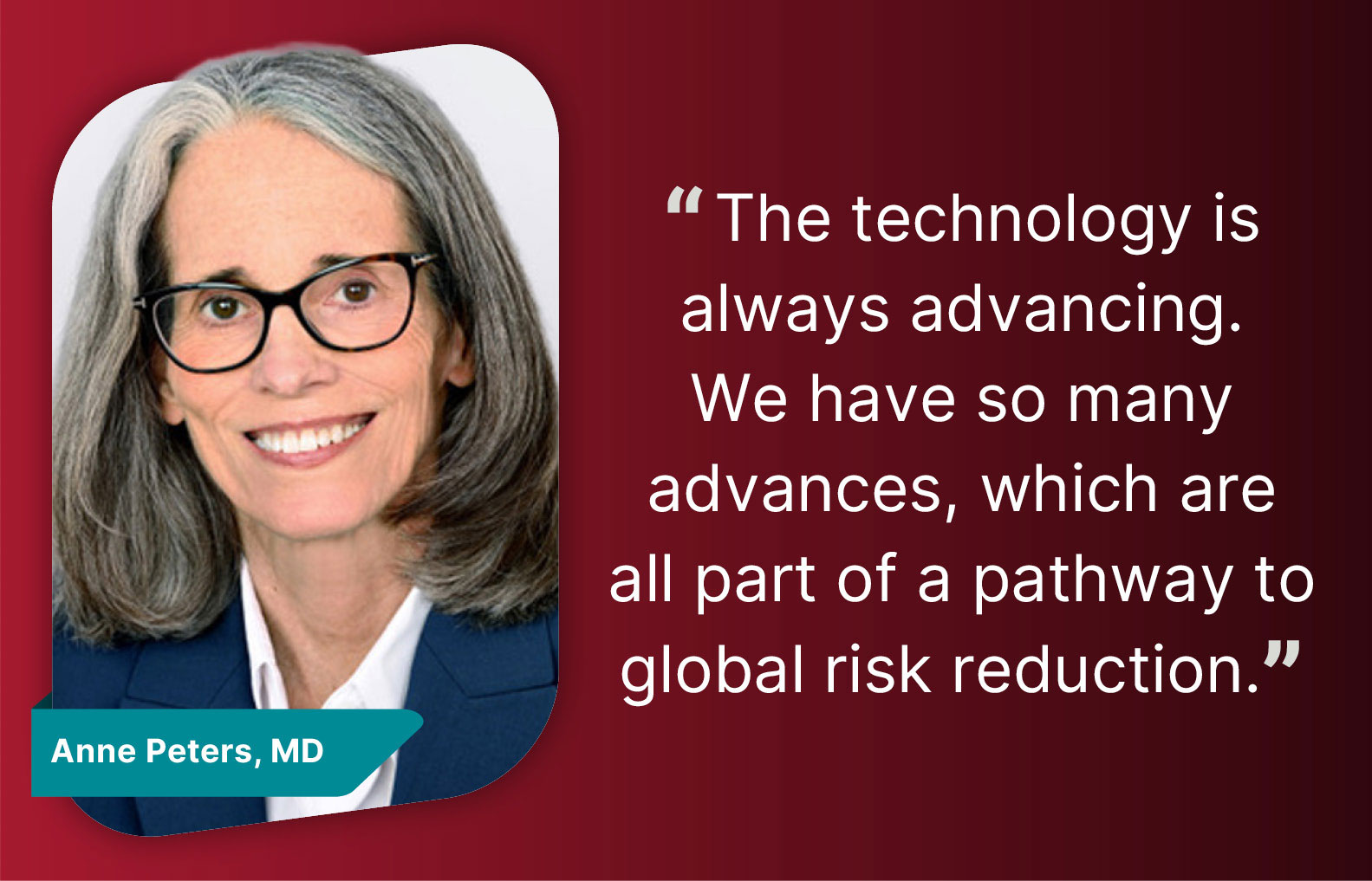
Year in Review symposium to deliver the latest discoveries in diabetes
Anne Peters, MD, will highlight major advances and discoveries in the clinical science of diabetes, including expanding treatment and technology options. Raghu Mirmira, MD, PhD, will summarize translational progress, and Barbara Kahn, MD, will share basic science developments.
-

Symposium to introduce novel approaches to harnessing tech in diabetes management
One of the panelists, Anna Kahkoska, MD, PhD, will explain how to leverage electronic health records to automate diabetes distress screening and facilitate practitioner conversations.
-

Experts to share updates on immunotherapy trials in type 1 diabetes
Researchers, including Cate Speake, PhD, and Lauren Higdon, PhD, will share new insights into early intervention aimed at altering the progression of this type of diabetes by targeting different aspects of the immune system.