


-

Panelists present pros and cons of full, immediate integration of AI into healthcare delivery
Nestoras Mathioudakis, MD, MHS, and Neda Laiteerapong, MD, discussed the pros and cons—from alleviating burnout to passing off hallucinations—of bringing artificial intelligence fully on board in clinical care today.
-

Emerging technology, new clinical algorithm target DKA
During multiple sessions at the 2026 Scientific Sessions, experts, including Viral N. Shah, MD, explored the potential, challenges, and questions surrounding continuous ketone monitoring and other considerations for diabetic ketoacidosis, which results in more than 250,000 hospital admissions in the U.S. each year.
-
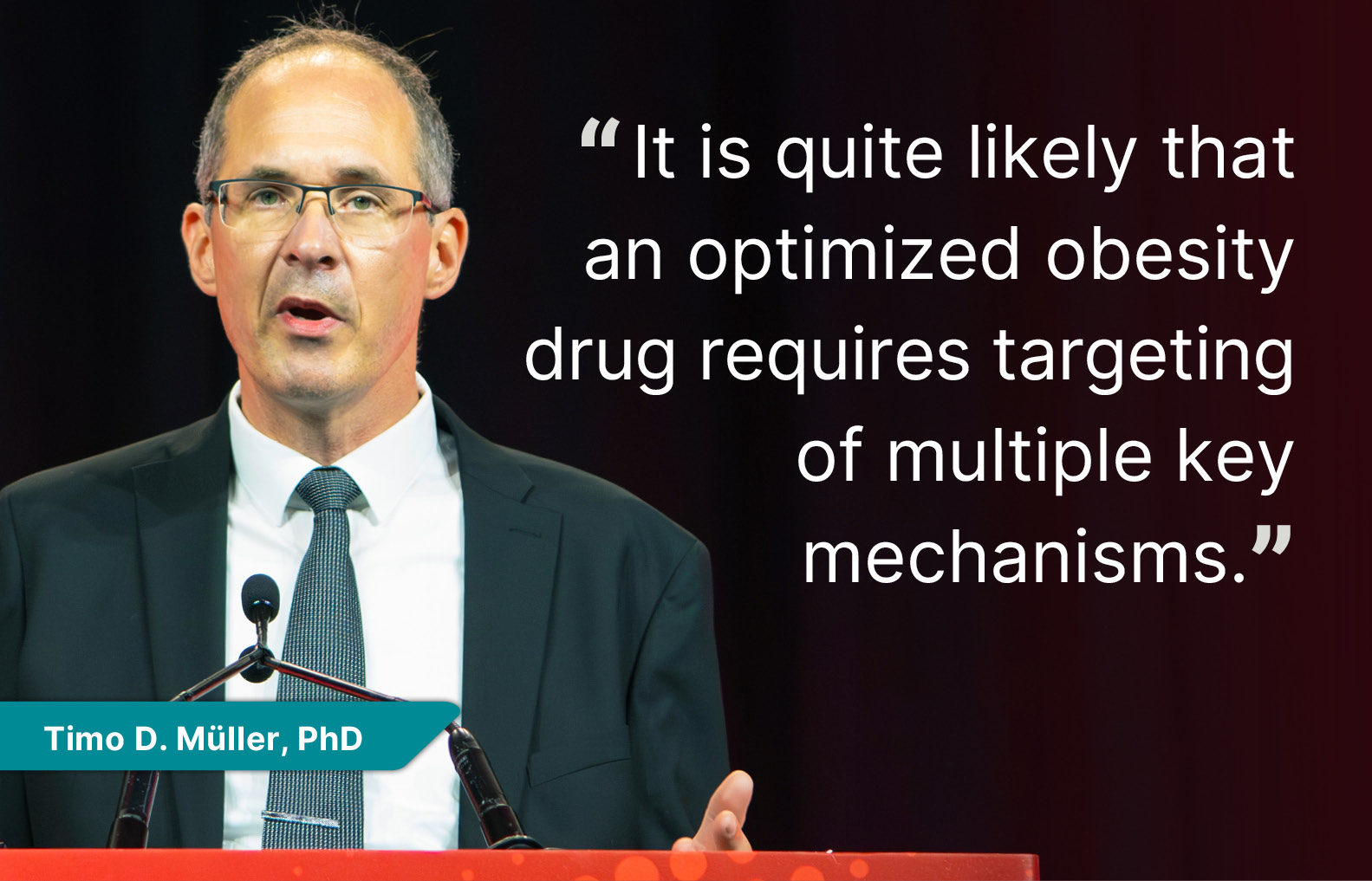
Outstanding Scientific Achievement Award lecturer highlights evolution of unimolecular therapies
Timo D. Müller, PhD, shared his insights on hormonal control of metabolism by glucose-dependent insulinotropic polypeptide (GIP) and next-generation incretin-based polyagonists during a session recognizing his contributions to diabetes and metabolic research.
-

Oral small-molecule GLP-1 RA improves blood glucose and weight reduction
The VISTA and SOLSTICE phase 2b trials evaluated the use of the glucagon-like peptide-1 receptor agonist (GLP-1 RA) elecoglipron in adults. Melanie Davies, CBE, MBChB, MD, FRCP, FRCGP, FMedSci, and Vanita R. Aroda, MD, shared the latest study data.
-

ACHIEVE results show A1C reduction, weight loss in type 2 diabetes
Investigators aim to use orforglipron to address the limitations of injectable GLP-1 RAs. The primary goal is to provide an alternative that meets health needs without the logistical challenges of current treatments, said Rodolfo J. Galindo, MD.
-

Outstanding Educator in Diabetes Award recipient: Value the stories behind the numbers
In her award lecture, Diana Isaacs, PharmD, BCACP, CDCES, BC-ADM, FADCES, FCCP, advocated embracing new tools and technology while keeping the people living with diabetes central to new approaches to care.
-

GLP-1 RA use, technology, unique needs of individuals are recurring themes in the latest updates to the Standards of Care in Diabetes
Six panelists, including Elizabeth Ann Beverly, PhD, explained the latest additions and changes within selected chapters to the Standards of Care in Diabetes—2026, the gold standard in evidence-based guidelines for diagnosing and managing diabetes and prediabetes.
-

Glucagon/GLP-1 receptor dual agonist demonstrates efficacy for obesity and MASLD
Matthias H. Tschöp, MD, and other researchers detailed phase 3 results of SYNCHRONIZE-1 and SYNCHRONIZE-MASLD showing that survodutide leads to significant weight loss, reduction in liver fat, and other health improvements.
-

REIMAGINE trials demonstrate efficacy of combination therapy for treating type 2 diabetes
Donna Ryan, MD, and other panelists reported on new data from phase 3 trials evaluating the combination of cagrilintide, which mimics amylin, and semaglutide, a glucagon-like peptide-1 receptor agonist, in adults.
-

Innovation Challenge elevates creative solutions to diabetes challenges
Leaders of three start-up ventures pitched their novel product ideas at the Scientific Sessions and exited with connections for opportunities to accelerate their visions for redefining diabetes care and treatment.