

-
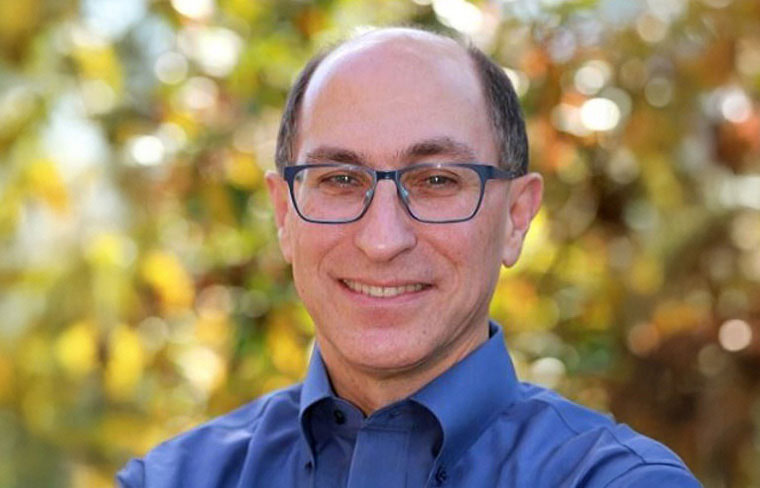
Experts to discuss the benefits of glucagon/GLP-1 receptor dual agonism gleaned from SYNCHRONIZE
Lee Kaplan, MD, PhD, and other investigators will examine the basic science underlying injectable survodutide, as well as results from two of the four studies in the SYNCHRONIZE program.
-
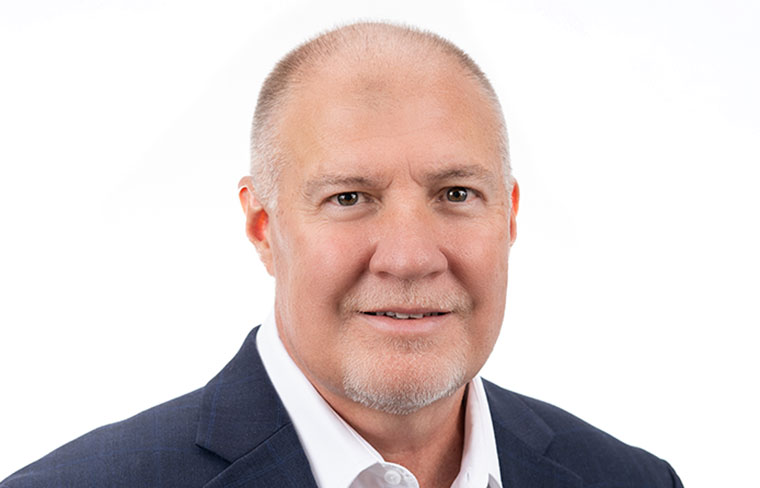
Session to provide updates on MASLD, lipoprotein biology, and CV risk
Panelists will discuss an underexplored nexus of metabolic dysfunction in diabetes on the final day of the 2026 Scientific Sessions. Scott Summers, PhD, will explore the role of ceramides in metabolic dysfunction-associated steatotic liver disease and cardiovascular risk. Other topics include cholesterol, clot lysis, and thrombosis.
-

Symposium to analyze amylin as novel therapy for diabetes and weight loss
W. Timothy Garvey, MD, and other researchers will share new insights from trials, such as REDEFINE, exploring long-acting amylin analogs as mono-agonists and in combination with agonists for other hormone receptors.
-

Experts to review the benefits and challenges of GLP-1 RAs beyond diabetes and obesity
Investigators will give an overview of new therapies coming into the market. Panelist Donna Ryan, MD, will discuss clinical trials for incretin-based therapies.
-

Debate to focus on BMI and definitions of obesity
Body mass index (BMI) is one of the most controversial topics in the assessment of obesity today. Session Chair Robert Kushner, MD, previews a debate on whether this metric should be the primary tool in defining obesity.
-
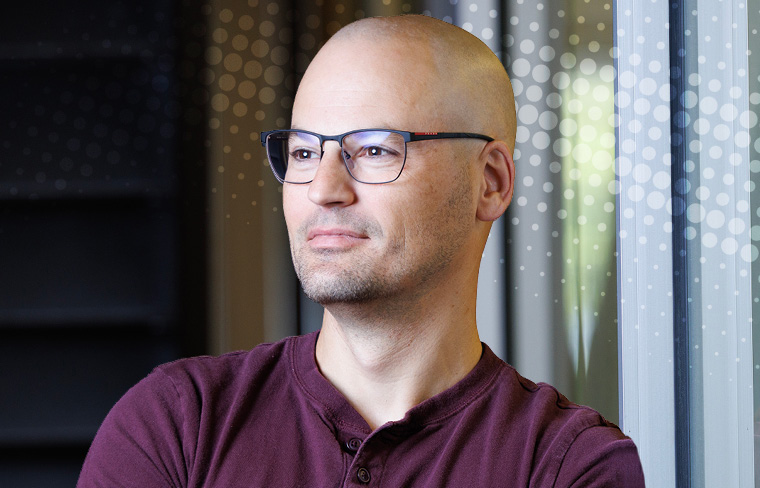
Experts to reveal results of retatrutide trials TRANSCEND-T2D-1 and TRIUMPH-1
Jonathan Campbell, PhD, and other panelists will share new data and address how this triple-hormone receptor agonist may unlock the next frontier of treatment for obesity and type 2 diabetes.
-

Primary results for SOLSTICE and VISTA to be shared for the first time
Vanita R. Aroda, MD, and Melanie Davies, CBE, MBChB, MD, FRCP, FRCGP, FMedSci, will review the latest data for a novel oral glucagon-like peptide-1 receptor agonist in people living with with type 2 diabetes or overweight or obesity.
-

Presenters to provide first look at data from REIMAGINE trials of cagrilintide/semaglutide for type 2 diabetes management
John B. Buse, MD, PhD, and other researchers will share study results and a broad understanding of amylin, from the hormone’s biology to potential translation to clinical care via phase 3 trials.
-
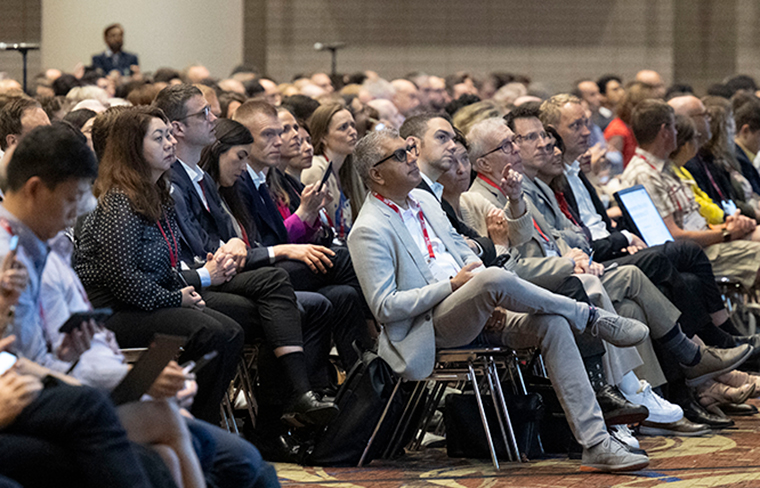
Trending topics in diabetes and obesity research and care highlight the 2026 Scientific Sessions program
Experts from across the globe will offer new perspectives on obesity, artificial intelligence, liver disease, behavioral health, women’s health, nutrition, new technology, and other trending topics in diabetes this June in New Orleans.
-
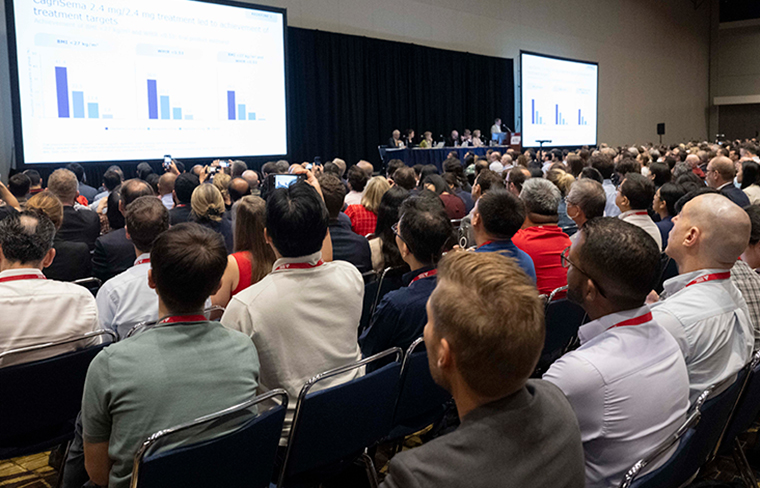
New clinical trial results to debut daily in New Orleans
Investigators will present high-impact results for type 1 diabetes, type 2 diabetes, and obesity in several clinical trial sessions. Glucagon-like peptide-1 (GLP-1)-based therapies—including dual and triple agonists, oral agents, and longer acting formulations—will be a recurring topic.