


For many years, the obesity medicine community has debated the role of body mass index (BMI) as the primary tool in defining obesity. However, this conversation was reignited by the January 2025 release of the “Definition and diagnostic criteria of clinical obesity” from the Lancet Diabetes & Endocrinology Commission, with considerable research and commentary following publication and continuing to this day.
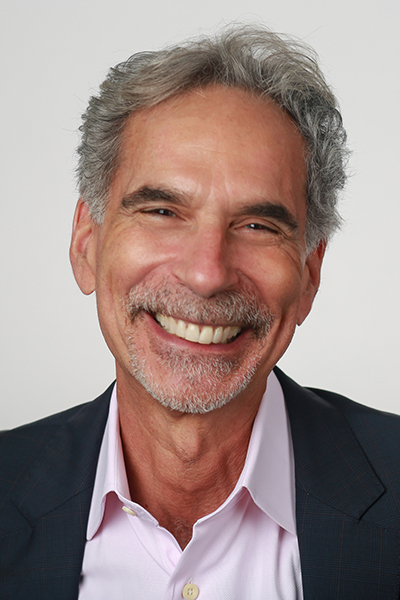
Robert Kushner, MD, Professor Emeritus of Medicine at Northwestern University’s Feinberg School of Medicine, will chair the Scientific Sessions’ Friday, June 5 debate, BMI on Trial: Should it Still Define Obesity, which will address one of the most controversial topics in the assessment of obesity and consider its implications for diabetes management and treatment. The session will be from 5:30–6:30 p.m. in La Nouvelle Orleans B of the Ernest N. Morial Convention Center. On-demand access to recorded presentations will be available to registered participants following the conclusion of the 2026 Scientific Sessions, from June 10–August 10.
Francesco Rubino, MD, Professor and Chair of Bariatric and Metabolic Surgery at King’s College in London, United Kingdom, and Chair of the global Lancet commission, will present the case against solely using BMI to define obesity. He will explain why the commission called for using additional measurements, such as waist circumference, waist-height ratio, and waist-hip ratio, and for abandoning the designation of “overweight,” instead moving toward designations of “preclinical obesity” and “clinical obesity.”
Dr. Kushner, who also served as one of the more than 50 global experts on the Lancet commission, outlined why the commission believed moving beyond BMI would more precisely define obesity and help clinicians better target treatment.
“We concluded BMI was insufficient to diagnose obesity as a risk to health, and that we needed to do other anthropometric measurements in order to more accurately identify if someone had excess body fat,” he said. “We subdivided those with excess fat into preclinical and clinical obesity because there are people who have excess body fat but with no real harm to their health at the time of measurement—they are healthy and they don’t require the same intensity of treatment as someone with clinical obesity who has a reduction in daily living activities or signs or symptoms that suggest harm to their health, such as high blood pressure, high blood sugar, arthritis, sleep apnea, and so forth.”
Leigh Perreault, MD, Associate Professor at the University of Colorado Anschutz School of Medicine, will defend BMI as the cornerstone of obesity diagnosis. Defenders of BMI, Dr. Kushner said, have often argued that while BMI is not a perfect tool, it is quite effective for use in general populations and in identifying BMI over 30, the traditional obesity threshold for clinicians and insurers in the United States. Furthermore, abandoning BMI for designations of preclinical and clinical obesity could prove clinically cumbersome and could lead to discrimination in treatment or in medical coverage against people who have a high BMI and seek treatment but would not qualify as clinically obese. Also, the shift away from BMI sidesteps the crucial aspect of preventive care.
“BMI allows for early identification. If a person comes in with excess body fat, even if they do not have any illnesses or conditions that would qualify them as clinically obese, we still want to intervene with preventive care to prevent complications of obesity,” Dr. Kushner said.
While conversations about BMI and obesity continue to play out in several areas of healthcare, this debate at the 2026 Scientific Sessions will allow the community to focus on BMI specifically as a tool within diabetes therapy, something that the Lancet commission did not directly address.
“Some of the debate around BMI might be semantics, but the use of terms is important when it comes to clinical care because it defines how clinicians code for the visit and the targets for patient-centered care,” Dr. Kushner said. “The Lancet commission wasn’t the definitive assessment on BMI, it was the conversation starter, and the more opinions, the more debates, and the more conversations we have will better allow us to arrive at a universal agreement. Our goal is to identify the right person with excess body fat who is at risk to their health and who would benefit from treatment and who would warrant resources required for that treatment. This debate and these broader discussions about BMI have personal, economic, and social implications.”

Save the date
Make plans to join us June 18–21, 2027, for the 2027 Scientific Sessions at the Walter E. Washington Convention Center in Washington, DC. Registration will open in January.