


Nearly half of Americans are living with obesity, which is associated with more than 200 related health issues and diseases, including type 2 diabetes. To date, metabolic bariatric surgery remains the most effective and long-lasting option for treating type 2 diabetes and obesity. However, pharmacological agents are beginning to achieve comparable levels of effectiveness.
During the symposium Unlocking the Next Frontier in Treatment of Obesity and Type 2 Diabetes with Retatrutide: A Triple Agonist, Activating the GIP, GLP-1 and Glucagon Receptors (TRANSCEND-T2D-1 and TRIUMPH-1 Results), a panel of experts will discuss the clinical development of retatrutide. The session will be held on Saturday, June 6 from 1:30–3:00 p.m. in Great Hall A of the Ernest N. Morial Convention Center. On-demand access to recorded presentations will be available to registered participants following the conclusion of the 2026 Scientific Sessions, from June 10–August 10.
Retatrutide is a novel synthetic molecule that targets three G-protein coupled receptors: glucose-dependent insulinotropic polypeptide (GIP), glucagon-like peptide-1 (GLP-1), and glucagon receptors. This offers the potential for further improvements in health outcomes and possibly greater weight loss, especially for those who may require higher effectiveness.
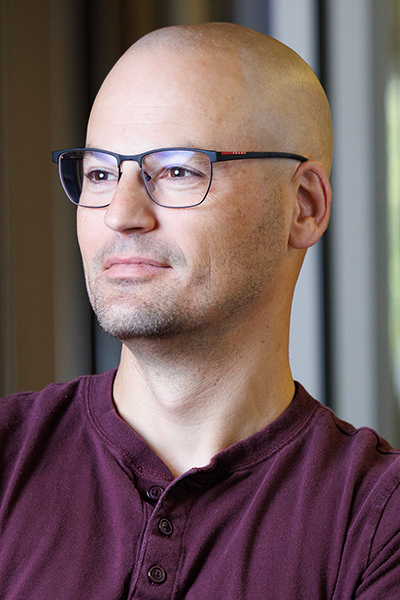
Jonathan Campbell, PhD, Associate Professor of Medicine at Duke University, will discuss how glucagon receptor agonism adds to the effect of GIP and GLP-1 receptor agonism.
“Retatrutide contains glucagon receptor agonism in addition to the effects of incretin agonism,” he explained. “This provides an opportunity to engage tissues and mechanisms that are not available to incretin receptor agonists. Most notably, glucagon receptor agonism in the liver is expected to increase metabolism and improve liver health. The increase in metabolism could potentially represent an elevation in energy expenditure that pairs well with the effects of an incretin agonist to reduce food intake.”

However, pharmacologically targeting the glucagon receptor remains a controversial strategy. For years, glucagon receptor antagonists have been favored as a treatment for both type 1 diabetes and type 2 diabetes, consistent with the idea that hepatic glucagon elevates glycemia, so blocking its effect could lower glycemia and improve glucose control. Therefore, to propose the opposite and suggest that glucagon agonism should be included in the pharmacotherapy of obesity and type 2 seems paradoxical. A greater understanding of the complex biological actions of glucagon receptor agonism will help clarify why this is a logical decision, especially when paired with GIP and GLP-1 receptor agonism.
Harpreet Singh Bajaj, MD, MPH, an endocrinologist at LMC Diabetes & Endocrinology in Toronto, Canada, will present the primary results of the first phase 3 study of retatrutide in patients with type 2 diabetes, the TRANSCEND-T2D-1 trial.

The primary endpoint in TRANSCEND-T2D-1 is a change in A1C, and both the 12-mg and 9-mg weekly doses resulted in A1C reduction that Dr. Bajaj characterized as “quite remarkable in this early diabetes study population that is not on any background treatments.”
Ania M. Jastreboff, MD, PhD, Professor of Medicine at Yale University School of Medicine and Director of the Y-Weight Obesity Research Center, will discuss the pivotal Phase 3 TRIUMPH-1 trial evaluating the safety and efficacy of retatrutide in people with obesity. The results of the trial are pending but will be presented during this symposium. Phase 2 trial results on the efficacy of retatrutide for obesity treatment were presented at the 2023 Scientific Sessions.
“The goal of obesity treatment is improving health,” Dr. Jastreboff said. “Retatrutide uniquely targets three nutrient-stimulated hormone receptors, providing the opportunity for additional improvements in health outcomes and potentially greater weight reduction, especially for those with severe obesity who may benefit from higher efficacy.”

Save the date
Make plans to join us June 18–21, 2027, for the 2027 Scientific Sessions at the Walter E. Washington Convention Center in Washington, DC. Registration will open in January.