


A chapter containing new standards on the screening and diagnosis of obesity will be presented for the first time at the symposium Standards of Care in Overweight and Obesity: 2026 Updates on Sunday, June 7, from 1:30–3:00 p.m. in Great Hall B of the Ernest N. Morial Convention Center. The session will also include discussion of a recently released chapter about pharmacological treatments for overweight and obesity.
On-demand access to recorded presentations will be available to registered participants following the conclusion of the 2026 Scientific Sessions, from June 10–August 10.
Both chapters discussed in Sunday’s session are the latest additions to the Standards of Care for Overweight and Obesity. The American Diabetes Association® (ADA) released the first chapters of this document in 2025 and is continuing the rollout as new chapters are published.
Session Chair Kimberly Gudzune, MD, MPH, said these standards will have a strong impact on the field and represent an intense period of deliberation by expert members of the professional practice committee.
“Going through all the evidence and putting it together is a labor of love, but important not only for advancing the field of health care, but also for people living with obesity and thinking about what they should expect for their treatment and in working with health care professionals,” said Dr. Gudzune, Affiliate Faculty at the Johns Hopkins Bloomberg School of Public Health.
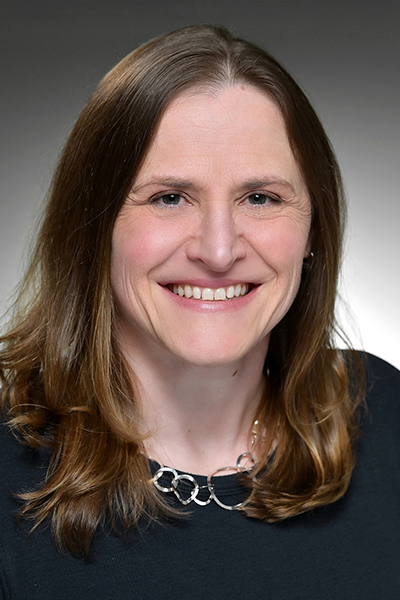
Leigh Perreault, MD, Adjoint Professor of Medicine-Endocrinology, Metabolism, and Diabetes at the University of Colorado Anschutz School of Medicine, will present the chapter on the screening and diagnosis of obesity, which was released in late spring 2026.
Louis Aronne, MD, FACP, the Sanford I. Weill Professor of Metabolic Research at Weill Cornell Medical College, will present the chapter on pharmacologic treatment of obesity in adults, which was released in January 2026.
Dr. Gudzune said the new chapters presented in this session are particularly timely because novel pharmacotherapies for overweight and obesity continue to reshape clinical options, while the definition and diagnosis of obesity have become increasingly crucial in qualification for various treatments or health insurance coverage related to them. At the same time, clinicians and researchers are increasingly questioning the application of traditional body mass index (BMI) measurements as the standard for defining obesity.
“The task of the committee was to think about how we emphasize an approach that addresses the limitations of BMI, but in a balanced way where we don’t throw out the positive aspects and utility of this measurement,” Dr. Gudzune said.
While focusing on definitions and possibilities of care, the standards also emphasize the practical application of this knowledge in a clinical setting.
“There will be experts in the room who have been working on these issues for years, and attendees will have the opportunity to ask questions about how to best implement a particular recommendation,” Dr. Gudzune said. “For researchers, there will be opportunities to learn about areas of knowledge the committee has identified where we don’t have a consensus or where the field lacks studies. For example, we have little information and data on obesity medications and their efficacy and safety for adults 70 years and older. That’s an opportunity for research to step in and help answer some important questions.”
Dr. Gudzune said she expects the conversations in this session to be part of an ongoing, crucial dialogue within a rapidly changing landscape of study and treatment.
“Science, health, and medicine are always evolving, but particularly in a field like obesity medicine, where even what was relevant six months ago—let alone five years ago—can be out of date,” she noted. “So, while we are working on the first iterations of these brand-new chapters on the Standards of Care for Overweight and Obesity, our intention is to regularly update them. What the ADA has taken up with this project is critically important to get the right information to the right person at the right time, so that we can all make informed health care decisions.”

Save the date
Make plans to join us June 18–21, 2027, for the 2027 Scientific Sessions at the Walter E. Washington Convention Center in Washington, DC. Registration will open in January.