

The potential application of stem cell-derived beta cell therapy for type 1 diabetes continues to gain more solid footing with the ongoing development of multiple therapeutic options.
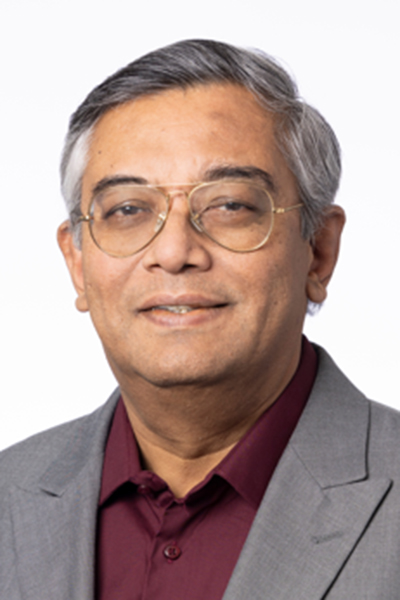
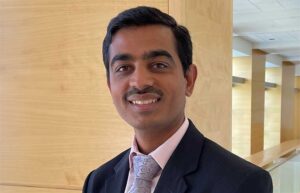
“A lot has happened in the last 12 to 18 months for us to be so confident,” said Sanjoy Dutta, PhD, Chief Scientific Officer, Breakthrough T1D. “Stem cell islets are proving to be promising for people with type 1 diabetes who have struggled with the disease for decades. Manufactured islets have now been dosed in people—not animals—and those people are coming off of insulin after 20, 30, 40, 50 years of the horrifying experiences of dealing with type 1 diabetes 24/7.”
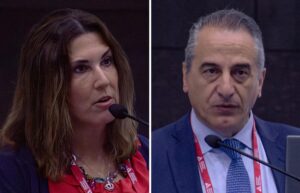
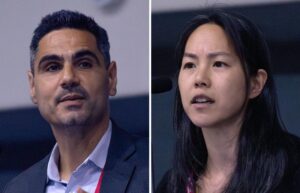
Dr. Dutta is one of four participants in the Saturday, June 6 panel discussion, Bridging the Gap: Advancing Stem Cell–Derived Beta-Cell Therapy toward Widespread Clinical Use, which will take place from 3:15–4:15 p.m. in room 355 of the Ernest N. Morial Convention Center. On-demand access to recorded presentations will be available to registered participants following the conclusion of the 2026 Scientific Sessions, from June 10–August 10.
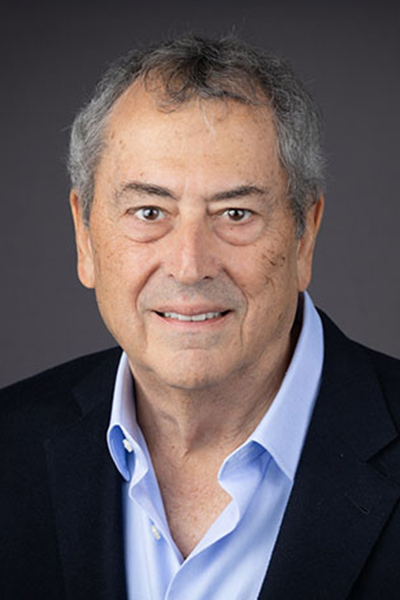
Other panelists include Jay Skyler, MD, Professor, University of Miami Diabetes Research Institute; Anna Lam, MD, Associate Professor, University of Alberta, Canada; and Jason Gaglia, MD, MMSc, Endocrinologist, Joslin Diabetes Center.
“We are just evolving now where stem cells are coming into clinical trials,” Dr. Skyler said. “The expectation by the general diabetes community is that the expanded availability of stem cells will allow anyone with type 1 diabetes to ultimately get a beta cell replacement, but there are limitations to these concepts. Hopefully, the discussion among all of us, who have different views, will explain what the circumstances really are and how we can move forward and make it work.”
As recently as five years ago, Dr. Dutta said he wouldn’t have vouched for the efficacy of emerging cell replacement therapies, but he now says the possibility of seeing them approved for clinical use in type 1 diabetes in the coming five years isn’t as far-fetched as it once was.
“Quite a few companies are working on it now, which means we have multiple shots on goal,” Dr. Dutta said. “It’s not a one-trick pony. Additionally, there are better and safer immunosuppression regimens emerging in clinical trials, which tells us that this is going to be a better alternative than what we have had for the last 40 years.”
Since the early 1990s, therapeutic approaches using donor islets from cadavers have been in use but come with a significant drawback: a toxic lifelong immunosuppression regimen that leaves the islet recipient vulnerable to infections and malignancies. Using stem cells instead of cadaver islets does not eliminate the need for immunosuppression, but it does change the dynamics of it.
“Several small studies have demonstrated that stem cells work when they’re treated just like other cells—put them in the liver, for example, and use immunosuppression,” Dr. Skyler explained. “Basically, what they do is they expand the source of cells sufficiently so you can have more people be treated, but they don’t solve the inherent problems of still needing immunosuppression and that you’re putting them in the liver, which is not the friendliest site for islets.” He anticipates panelists will discuss their preferred potential alternative sites for cell transplantation.
Despite the ongoing challenges, there is optimism among scientists dedicated to improving the lives of those living with type 1 diabetes.
“We are firing on all cylinders to develop immunotherapies, beta cell regenerative therapies, to improve glucose control,” Dr. Dutta said. “We are working with artificial pancreas systems, with immunotherapy regimens that are disease-modifying, and they’re all showing some glimmers of hope, but stem cell-derived beta cell therapy is the nearest we have to a cure. I want people to come to the session with hope, but measured with the technical challenges that lie ahead of us.”
Save the date
Make plans to join us June 18–21, 2027, for the 2027 Scientific Sessions at the Walter E. Washington Convention Center in Washington, DC. Registration will open in January.