






-
DPPOS researchers report latest clinical outcomes from ongoing study
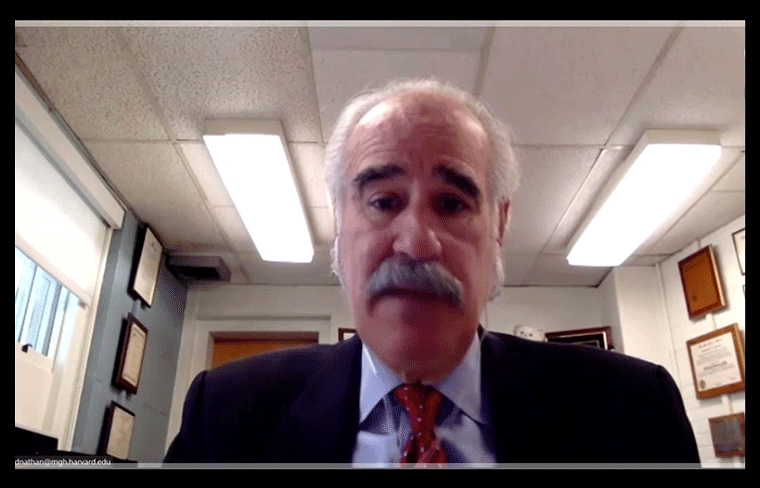
Several researchers from the Diabetes Prevention Program Outcomes Study (DPPOS) shared new data on clinical outcomes from the largest and longest follow-up to the Diabetes Prevention Program study during the Scientific Sessions. DPPOS Chair David M. Nathan, MD, said that while the benefits of the original interventions have decreased over time, both the metformin and…
-
TEDDY study yields insight into potential type 1 diabetes triggers, protective influences
Investigators from The Environmental Determinants of Diabetes in the Young (TEDDY) study presented the latest results from the ongoing study during the Scientific Sessions. TEDDY Co-Chair Marian Rewers, MD, PhD, reviewed research into genetic and clinical markers that indicates that screening for islet autoimmunity in high-risk youth should start in the first two years of…
-
SEARCH study results underline ongoing challenges in youth-onset diabetes
Five investigators from the SEARCH for Diabetes in Youth Study reviewed critical lessons from two decades of surveillance and observational research into youth-onset diabetes during the Scientific Sessions. “SEARCH has identified social, behavioral, and psychological correlates that are linked to pediatric diabetes management, the number of which further demonstrate the complexity of this disease and…
-

RISE data indicate several differences between adults, youth with type 2 diabetes
The Restoring Insulin Secretion (RISE) Study, which tested interventions designed to preserve or improve beta-cell function in prediabetes and early type 2 diabetes, offers important insight into differences between adults and youth in the onset and progression of type 2 diabetes. Given the differences in the two populations, investigators like Kristen Nadeau, MD, MS, are…
-
Outstanding Scientific Achievement Award lecturer is exploring role of ‘crosstalk’ in metabolic health
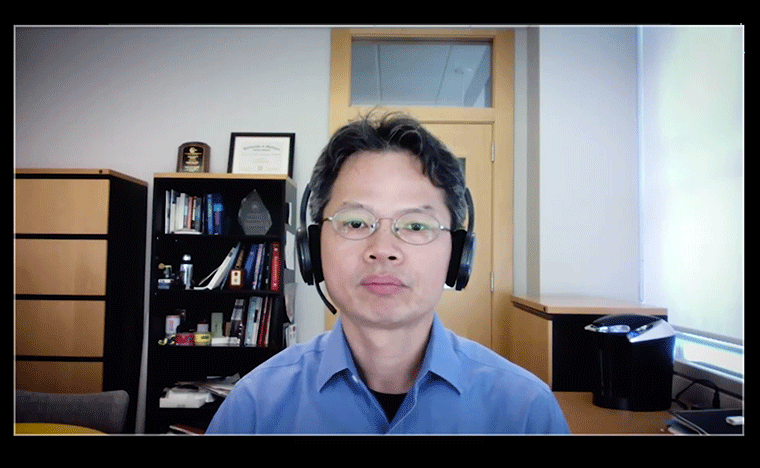
Ongoing research into the mechanisms of inter-organ crosstalk, including the key signaling pathways involved in obesity and diabetes, may provide targets for new therapies to treat, and potentially even prevent, these and other metabolic disorders, according to Jiandie Lin, PhD, recipient of the 2020 ADA Outstanding Scientific Achievement Award.
-
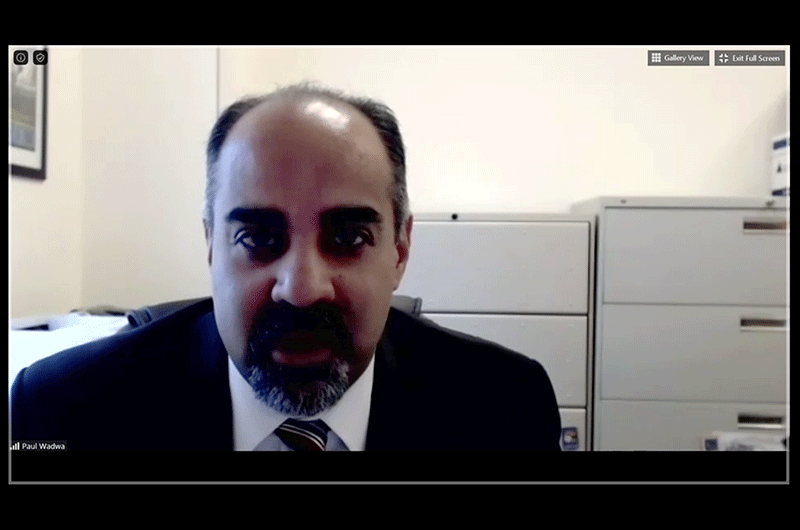
International panel describes efforts to leverage metabolism to prevent, treat, and cure type 1 diabetes
Investigators from the United States and Europe came together Monday for a symposium jointly sponsored by the ADA and the European Association for the Study of Diabetes. During the virtual presentation, R. Paul Wadwa, MD, reviewed data on closed-loop systems approved by the U.S. Food and Drug Administration, as well as data on systems still…
-

New-onset hyperglycemia could signal development of pancreatic cancer
Research into the connection between diabetes and pancreatic ductal adenocarcinoma (PDAC) indicates that new-onset hyperglycemia could offer earlier warning of PDAC development, according to Suresh T. Chari, MD. Dr. Chari and three other researchers discussed endocrine/exocrine interactions in diabetes during a Monday morning symposium.
-
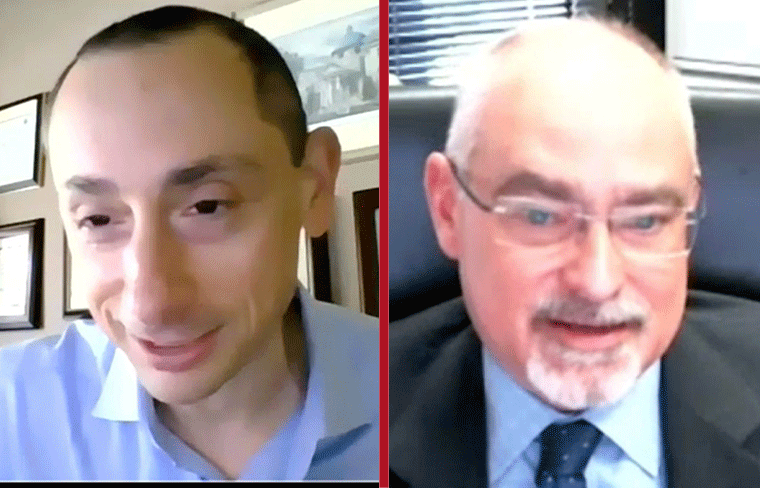
Cardiologists debate use of glucose-lowering drugs for primary CVD prevention
Two cardiologists—Mikhail Kosiborod, MD, and Darren K. McGuire, MD, MHSc—faced off in a virtual debate examining whether sodium-glucose co-transporter-2 inhibitors and glucagon-like peptide-1 receptor agonists should have a more prominent role in cardiovascular interventions on Monday during the Scientific Sessions.
-

Experts discuss whether diabetic kidney disease can be targeted with precision medicine trials
During a Scientific Sessions symposium jointly sponsored by the ADA and the American Society of Nephrology, four experts examined the role precision medicine trials might play in diabetic kidney disease research. “The challenge is how to distinguish patients based on their molecular mechanisms,” said Wenjun Ju, PhD.
-
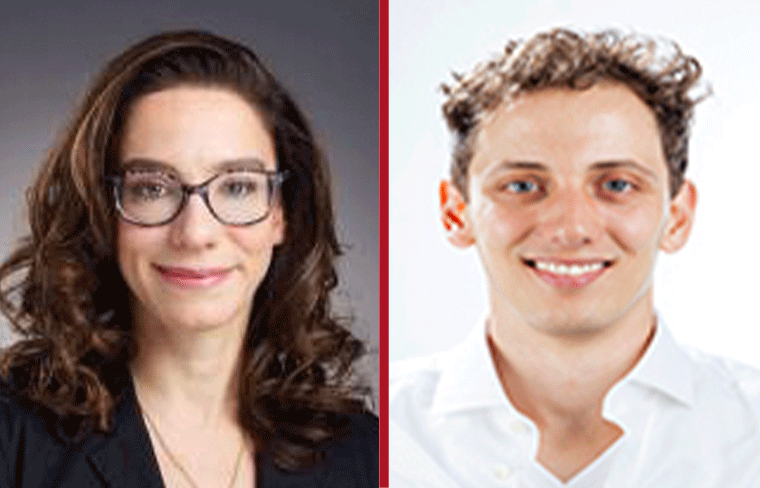
Experts to debate whether microvascular and macrovascular complications are distinct entities
During a unique, two-hour Current Issues presentation Tuesday morning, three experts will debate whether microvascular and macrovascular complications of diabetes are distinct pathophysiologic entities. Deborah J. Wexler, MD, MSc, will present an endocrinologist’s perspective and Jasper Tromp, MD, PhD, will offer a cardiologist’s perspective.