

-

Head-to-head outcomes trial finds few differences between common type 2 diabetes medications
Investigators presented findings from the GRADE study comparing clinical outcomes of glimepiride, a sulfonylurea; sitagliptin, a DPP-4 inhibitor; insulin Lantus; and liraglutide, a GLP-1 receptor agonist. More than 70% of participants reached the primary metabolic endpoint.
-

Dual SGLT1/SGLT2 inhibitor shows significant cardiovascular benefits in patients with CV conditions and type 2 diabetes
An analysis of the SCORED and SOLOIST trials favored sotagliflozin over placebo for total cardiovascular death, hospitalization for heart failure, and urgent heart failure visit. The combined SGLT1/SGLT2 inhibitor produces benefits in patients with reduced and preserved ejection fraction, said Deepak Bhatt, MD, MPH, FACC, FAHA, FSCAI, FESC.
-

Dual GIP/GLP-1 receptor agonist lowers glucose, reduces body weight in SURPASS trials
“The road ahead for the treatment of type 2 diabetes is fresh,” said Alice Y.Y. Cheng, MD. “The future, in terms of what we will be able to offer our patients to help them meet their metabolic goals, appears to be very positive.”
-

AMPLITUDE-O investigators report good CV, renal, safety outcomes for efpeglenatide
The efficacy and safety outcomes of efpeglenatide are similar to the outcomes seen in trials of other GLP-1 receptor agonists, according to researchers who presented AMPLITUDE-O data at the Scientific Sessions.
-

DARE-19 shows dapagliflozin does not improve outcomes in COVID-19 patients
DARE-19 was the first large, randomized clinical trial of an SGLT2 inhibitor to address the potential benefits of these agents in patients hospitalized with COVID-19. Results showed no significant effect on organ failure or survival. Mikhail N. Kosiborod, MD, was the principal investigator.
-

ADA/EASD Consensus Report on adults with type 1 diabetes focuses on individualized care
Before finalizing the first-ever ADA/EASD Consensus Report on the management of adults with type 1 diabetes, the writing team led by Anne L. Peters, MD, and Richard I.G. Holt, PhD, FRCP, highlighted key topics addressed in the report at the Scientific Sessions.
-

Outstanding Scientific Achievement Award recipient honored for her pioneering research in youth diabetes
Kristen J. Nadeau, MD, MS, outlined the unique cardiometabolic mechanisms and consequences of youth-onset type 1 and type 2 diabetes in her award lecture.
-

Pandemic illustrates need for, pitfalls of communicating risk
An infectious disease epidemiologist, a journalist, and a researcher—Christina M. Astley, MD, ScD, Gary Schwitzer, and Bertha Hidalgo, PhD, MPH—came together to share their perspectives on communication of risk and its impact on public health and public trust.
-

Panel examines challenges of implementing diabetes prevention programs
An international panel of diabetes prevention researchers including Mike Sampson, MD, Kerri Lynn Knippen, PhD, MPH, RDN, LD, BC-ADM, Pilvikki Absetz, PhD, and Anne M. Wolf, MS, RDN, shared lessons learned from the implementation of type 2 diabetes prevention programs around the world during a symposium Monday.
-
Technology finds expanded role in inpatient diabetes care
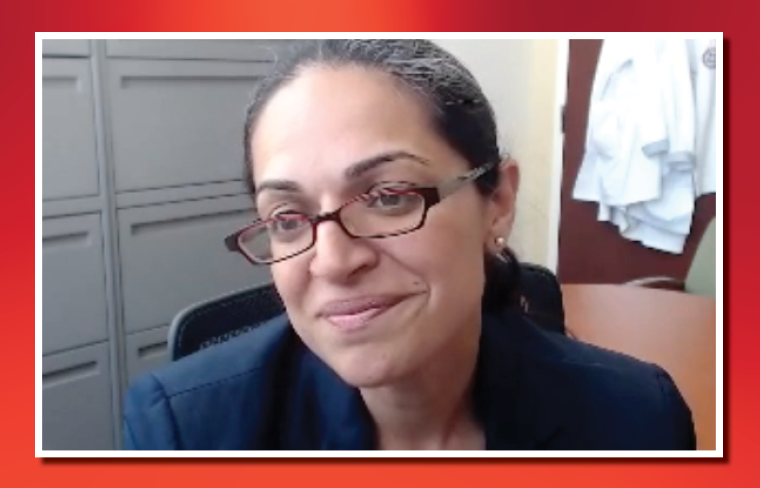
“We know there are so many people who are getting suboptimal care in terms of diabetes—inpatient and outpatient—because we can’t reach them all. We really need to use technology as a base,” said Amisha Wallia, MD, MS.