

-

Two webinars in July will recap Scientific Sessions highlights
Join the ADA for two webinars after the 81st Scientific Sessions that will highlight key sessions and abstracts from the meeting.
-

Banting Medal awarded to trailblazing incretin researcher
The story of incretins began in the gut—and then something happened, said Jens Juul Holst, MD, DrMedSci. Islets and the pancreas developed from the gut and remain connected by gut hormones, he noted.
-
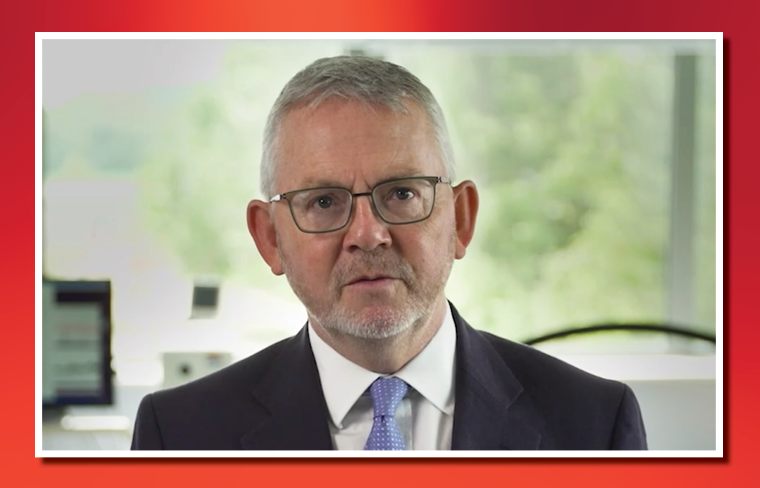
Kelly West Award lecturer discusses efforts to quantify risk for type 2 diabetes
As an early-career scientist, Nicholas J. Wareham, FMedSci, FRCP, FFPHM, MBBS, MSc, PhD, developed a strong interest in diabetes screening and was fascinated by then-emerging details of the links between risk factors and type 2 diabetes.
-
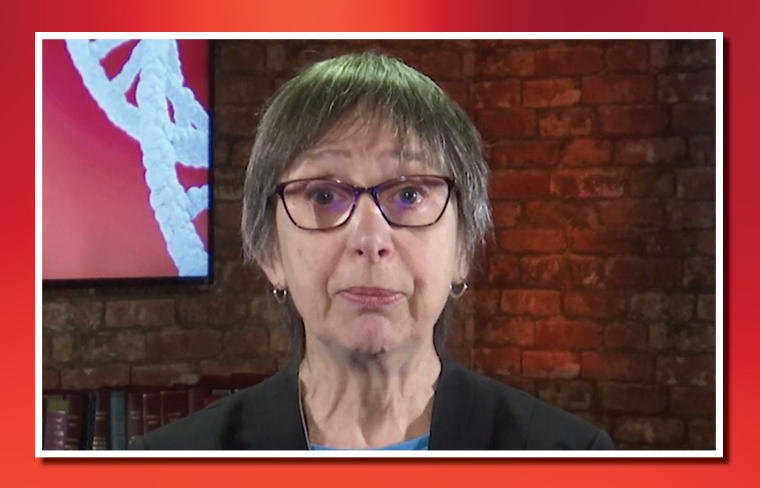
ADA President, Medicine & Science, heralds research that fuels journey toward diabetes cure
“One of the lessons from the discovery of insulin is to remind us how important it is for us to support high-risk innovative ideas, new and junior investigators—in addition to more established investigators—and basic, clinical, and translational research,” said ADA President, Medicine & Science, Ruth S. Weinstock, MD, PhD.
-
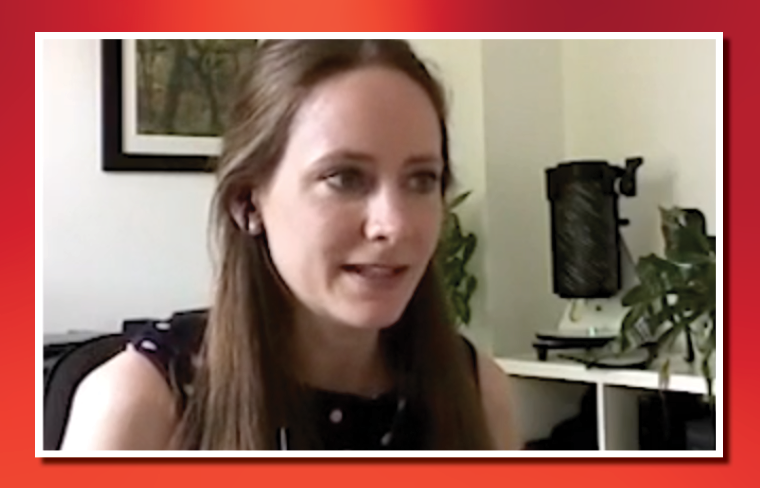
New data underscores importance of GIP signaling in the brain to regulating food intake, energy balance
“The central nervous system is an important target organ for GLP-1 and GIP pharmacotherapy to affect energy balance,” said Alice Adriaenssens, PhD, in the ADA Diabetes Symposium.
-

Providers urged to consider mental health of diabetes patients & their caregivers
David G. Marrero, PhD, advocated for a social-ecological model to better understand and integrate diabetes care in a symposium focused on preserving mental health across the lifespan of living with this disease.
-

Technology brings rapid changes to diabetes education and care
Kelly M. Rawlings, MS, and Marci Butcher, RD, LN, CDCES, FADCES, will discuss digital health and diabetes support in a two-hour symposium Monday afternoon.
-
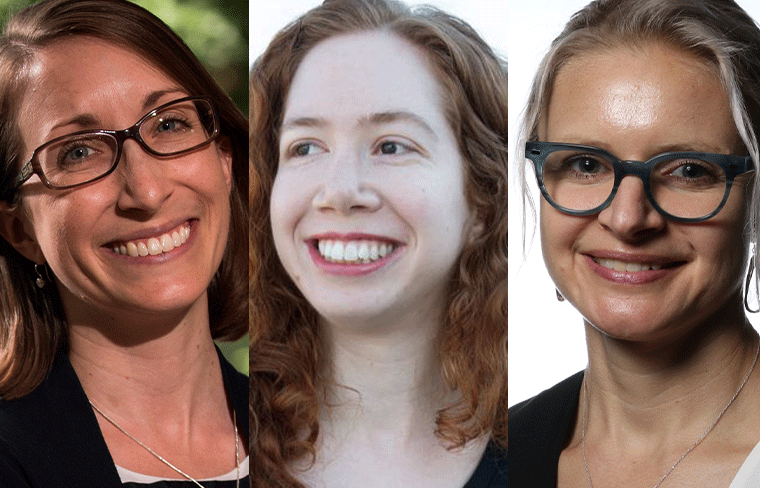
Panelists to examine behavioral and psychosocial aspects of diabetes tech
Maureen Monaghan, PhD, CDCES, Samantha Kleinberg, PhD, and Jennifer Raymond, MD, MCR, will offer insight into navigating the diabetes digital landscape.
-
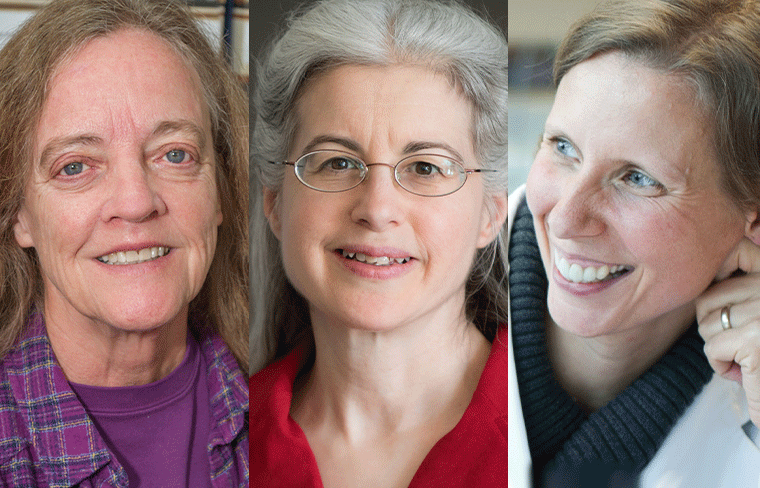
T cell research may pave the way for diabetes immunotherapy
An expert panel including Kathryn Haskins, PhD, Teresa P. DiLorenzo, PhD, and Megan K. Levins, PhD, will discuss the past, present, and future of T cells in diabetes treatment.
-
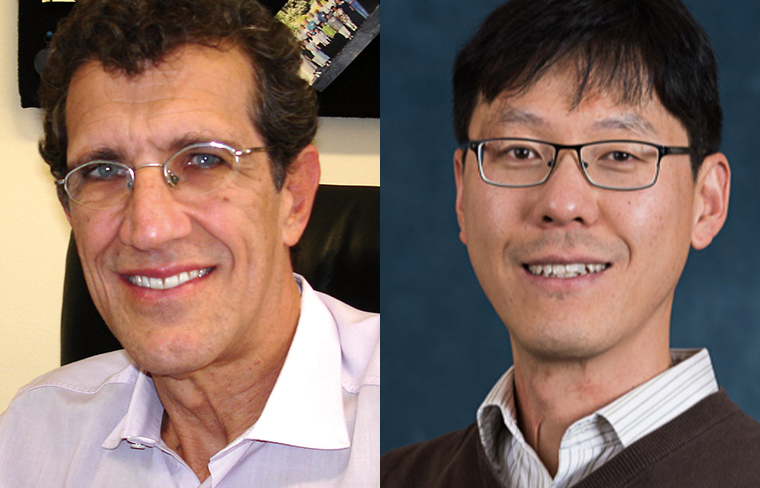
Public health experts will review environmental factors that contribute to diabetes, obesity
Carlos A. Monteiro, MD, PhD, will share data on the effects of ultraprocessed foods, while Sung Kyun Park, ScD, MPH, will provide data on per- and polyfluoroalkyl substances.