

Advances in the evolving field of stem cell-derived beta cell therapy inspired a robust discussion on the possibilities and problems involved in supporting patients with type 1 diabetes.
Participants in the Saturday, June 6 panel discussion, Bridging the Gap: Advancing Stem Cell-Derived Beta-Cell Therapy toward Widespread Clinical Use, offered insights on topics including eligibility criteria, immunosuppression, regulatory concerns, and top priorities. On-demand access to recorded presentations will be available to registered participants following the conclusion of the 2026 Scientific Sessions, from June 10–August 10.
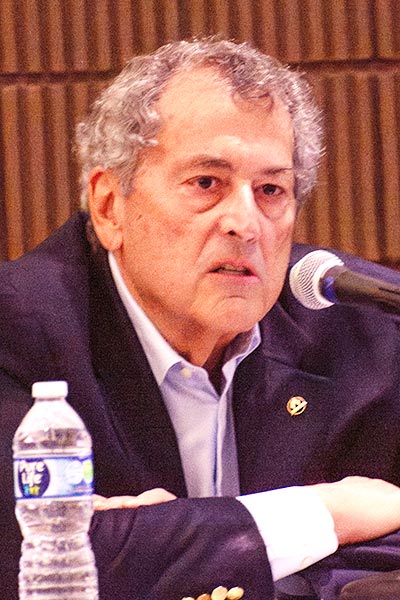
Jay Skyler, MD, Professor, University of Miami Diabetes Research Institute, delved into the evolution of islet transplantation. Therapeutic approaches using donor islets from cadavers have been in use for decades, but require lifelong immunosuppression.
“What we really need is for there to be giant steps forward to diminish the need for the severe immunosuppressive regimens we’ve historically been using,” said Dr. Skyler. This would allow the stem cells to be used in studies to expand beyond two restricted groups—those with recurrent severe hypoglycemia, and those who normally have or are simultaneously getting a kidney transplant.
“We need to get them to the point where it’s appropriate to use them on anybody with type 1 diabetes who wants them,” he added.
Moderator Trevor Reichman, MD, Professor, University of Toronto, Canada, presented the status of stem cell beta cell therapy and eligibility criteria outside of the U.S. He noted the Clinical Islet Transplant Program at the University of Alberta in Edmonton, Canada, recently published 20-year outcomes of islet cell transplantation in patients with type 1 diabetes, identifying data from multiple studies. The program, which developed the Edmonton protocol for islet transplantation and recently marked its 25th year of existence, has significant long-term, real-world efficacy and safety data.
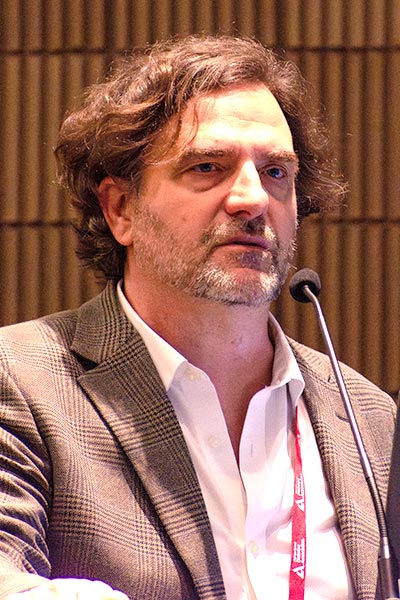
“What we see in the clinic, and data shows, is the drop-off in kidney function is most rapid in the first year peri-transplant, but [post-transplant] it levels out to be the same rate as the general type 1 diabetes population without being a suppression,” said Anna Lam, MD, Associate Professor, University of Alberta, and Adult Endocrinologist in the Edmonton program, which is funded by the province as an established treatment.
Jason Gaglia, MD, MMSc, Endocrinologist, Joslin Diabetes Center, discussed the status of regulations and the need for additional data on stem cell-derived beta cell therapy. A former member of the clinical hybrid transplant team at the National Institutes of Health, the first group to reproduce the Edmonton protocol in the United States, he noted that because islets are regulated as a drug in the U.S., there is an increased regulatory burden here.
Panelists also weighed in on the top advances in development that address current challenges.
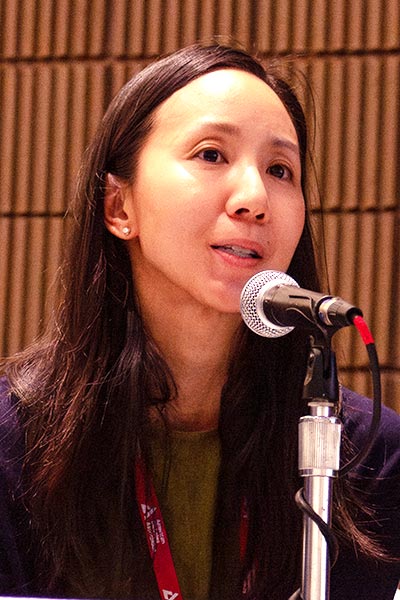
“We are keeping an eye on combinatorial approaches,” said Sanjoy Dutta, PhD, Chief Scientific Officer, Breakthrough T1D. “We can envision a world, at least in the next decade or so, where we will have to be open to combination approaches.”
He added that expanding the population eligible for stem cell-derived beta cell therapy should be a main target.
In addressing divergent problems with this therapy option, Dr. Gaglia identified areas of growing concern.
“What is a problem is segregating the population, so you can treat the people in hightest need—those people who are having severe hypoglycemic events—but we don’t know where to draw the line if we move away from that,” he said. “Additionally, the cost of goods is so high right now that we practically have to segregate the population, or else we bankrupt the system. We need to figure out how to draw the line, and as the cost of goods goes down, how to keep moving that line, so we can treat more people.”
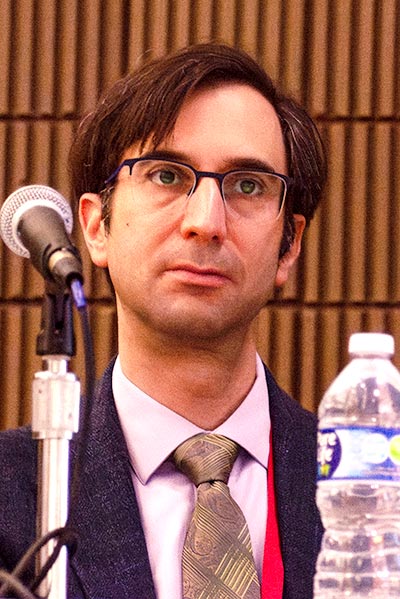
Drs. Skyler and Dutta discussed the importance of incorporating the needs of individuals undergoing transplantation into the development of new approaches.
“We need validated patient-recorded outcomes that help guide what the patient’s burden is, so we know what can be corrected and demonstrate that in trials as we begin expanding the population,” said Dr. Skyler. “I think that’s crucial, so the patient’s opinion is taken into account in a systematic and valuable way.”
Dr. Dutta added that opening the regulatory pathway will also be key to making stem cell-derived beta cell therapy for type 1 diabetes accessible to people living with the disease.
Best-case scenarios over the next five years, and actions to accelerate progress, were also identified.

“I think we need to get more companies that are developing products into the system and expand, and hopefully convince the regulators and the IMDs to accept the eligibility criteria, so we can look across a whole range of people and various approaches of trying to alter the protection strategy,” Dr. Skyler said.
Looking to the future, Dr. Gaglia said he feels confident that the regulatory hurdles will be addressed, but reiterated the need to focus on the cost of goods. Discussion ensued on concerns about production as a barrier to expansion.
A focus on top priorities closed the discussion.
“From a clinical perspective, my priorities are the blind spots and type 1 diabetes management,” Dr. Lam said. While the clinical program has fostered confidence in the technologies used in islet transplantation, she remains concerned they may not be catching all of the quality-of-life issues of the patients undergoing this treatment option. Dr. Dutta’s focus is laying out a roadmap. Dr. Gaglia concurred, adding his other priorities are enrolling a wider array of people in clinical trials, and working on reducing immunosuppression for islet transplantation recipients. Dr. Skyler expressed concern about whether the liver is the optimal transplantation site for islets, noting that studies looking into alternate sites should be considered as stem cell research expands.
Save the date
Make plans to join us June 18–21, 2027, for the 2027 Scientific Sessions at the Walter E. Washington Convention Center in Washington, DC. Registration will open in January.