


Rousing jazz medleys from the Big Fun Brass Band, greetings from the American Diabetes Association® chief executive officer, an address on the future of diabetes research from a senior advisor at the National Institutes of Health (NIH), and highlights of cutting-edge science from ADA Pathway scientists marked the opening of the 2026 Scientific Sessions in New Orleans on Friday, June 5.

The meeting will feature four days of scientific discovery, clinical innovation, and networking channels devoted to international diabetes research, care, detection, treatment, and prevention. On-demand access to recorded presentations will be available to registered participants following the conclusion of the 2026 Scientific Sessions, from June 10–August 10.
Charles “Chuck” Henderson, Chief Executive Officer of the ADA, opened the meeting by noting that it can be daunting to realize that 589 million people across the globe are living with diabetes and more than 155 million Americans are living with prediabetes or diabetes.
“When I look at these numbers, I see challenges, but also tremendous opportunities for the impact we can make to improve people’s lives and eventually end diabetes once and for all. And it starts here,” said Mr. Henderson.
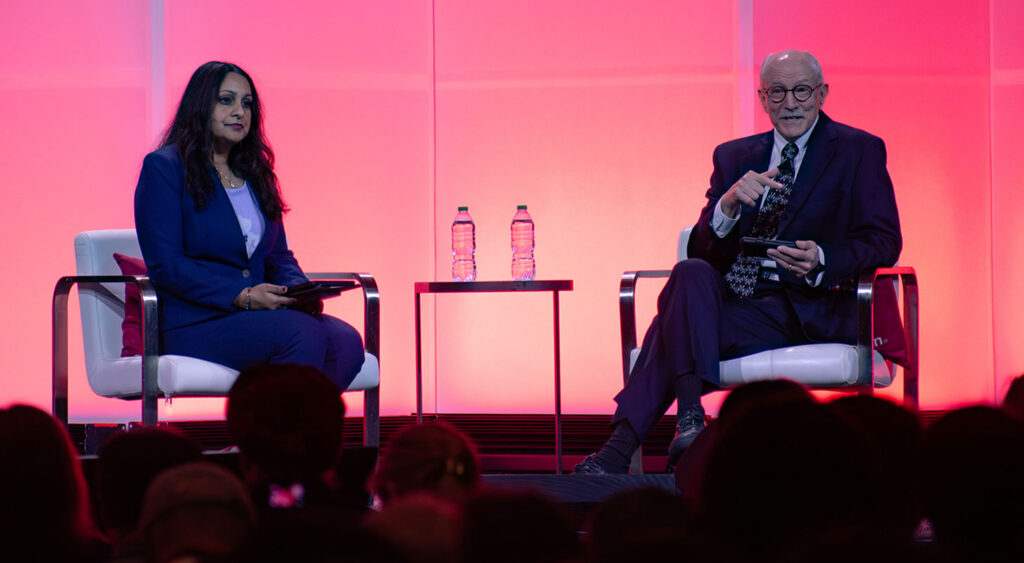
Richard Woychik, PhD, Senior Advisor to the NIH Director, spoke to the audience at the Ernest N. Morial Convention Center about transformations in the NIH focused on “whole-person health.”
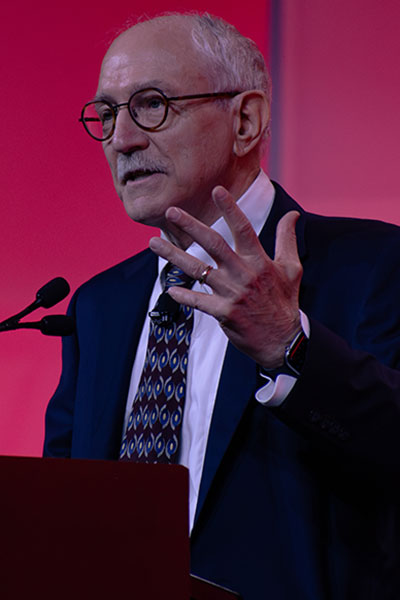
“Diabetes is one of the clearest examples of why NIH needs an integrated approach to chronic diseases,” he said.
Dr. Woychik expanded on some of his thoughts about NIH changes and funding immediately after his presentation in an onstage “fireside” chat with Rita Rastogi Kalyani, MD, MHS, ADA’s Chief Scientific and Medical Officer. Dr. Kalyani posed questions reflecting frustrations shared by many in the medical community over the current administration’s termination of long-standing research programs and other changes that are seen as a threat to the United States’ position as a world leader in scientific discovery and innovation.

“Let’s keep focused on the quality of science and on things we could be doing, and if you have opinions on different things that are up for public review—voice your concern or opinion, support or not support. That’s what it is all about,” Dr. Woychik said. “What keeps me coming back is not pushing papers and looking at budgets, but advocating for the science that can truly transform the way that diabetes as a chronic disease is managed.”
Dr. Kalyani specifically discussed concerns—included in a recent statement issued by the ADA—over a proposed rule released at the end of May by the White House Office of Management and Budget (OMB) that would overhaul federal grant administration. The proposal would give political appointees the power to decide which NIH grants are funded, to deny grants based on organizational affiliations, and to terminate grants. It also describes peer review recommendations as advisory in the grant administration process, despite independent, expert peer review historically being the primary measure of scientific merit to determine which science advances for funding or even publication.
“This administration’s recently proposed rule challenges the basic freedom of scientific inquiry in this country, which has led to the evolution of so many scientific discoveries and advancements for our field,” Dr. Kalyani said. “Many in our community think the administration’s rule threatens our scientific future. Should this community be concerned, and if no, why? And how do you see NIH implementing this rule?”
Dr. Woychik said the proposed rule was part of a “unified funding strategy.”
Dr. Kalyani concluded the fireside chat emphasizing the need for open conversations on these critical issues: “The ADA and diabetes community look forward to working with you and others at the NIH and ensuring that conversations regarding the future of diabetes research remain grounded in rigorous and reproducible science, and working toward a future where diabetes and obesity prevention is a reality and where we continue that momentum and that enthusiasm that we talk about through shared bipartisan priorities on NIH funding in diabetes.”
Pathway to Stop Diabetes
Three types of transformative research projects rounded out the opening session with presentations from scholars whose work has been funded by the ADA Pathway to Stop Diabetes program.
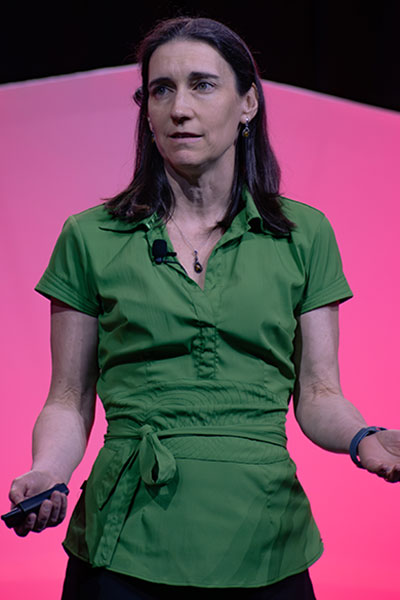
Marie-France Hivert, MD, MMSc, Associate Professor in the Department of Population Medicine at Harvard Medical School, presented updates on her studies focusing on the influence of genes on glucose regulation and efforts to stop transgenerational risk of diabetes.
Noting that one of the biggest barriers in effective preventive care is trust and implementation, Dr. Hivert detailed an innovative program based on the premise that prevention begins within target communities and by empowering community members as health ambassadors and advisors.
“I am fully convinced that for any prevention study, we need to partner with trusted organizations and take the time to build relationships with people in their communities if we truly want to adapt an intervention to their day-to-day life,” Dr. Hivert said.
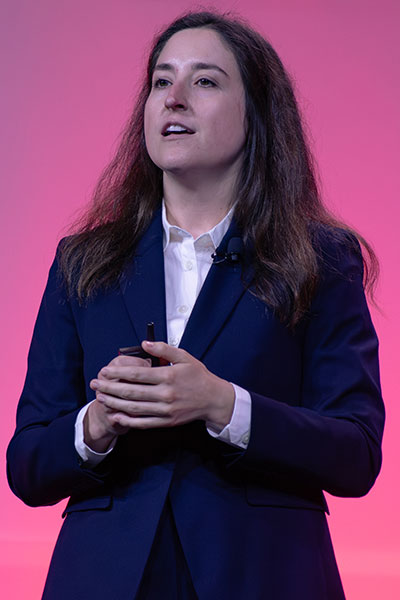
Chelsea Hepler, PhD, Assistant Professor of Molecular and Integrative Physiology, University of Michigan Medical School, presented her work on the impact of circadian clocks on metabolic disease, including diabetes.
Dr. Helper noted research showing that controlled windows of eating engage circadian control of energy expenditure. She also shared how the gene PER2, which loses expression during obesity, has been associated with circadian rhythm and identified as instrumental in coordinating inflammation and mitochondrial function, promoting metabolic health.
“We are really seeing roles for these circadian clock genes outside of just regulating timing of the core clock. We see them regulating important physiological functions as well,” Dr. Helper said.
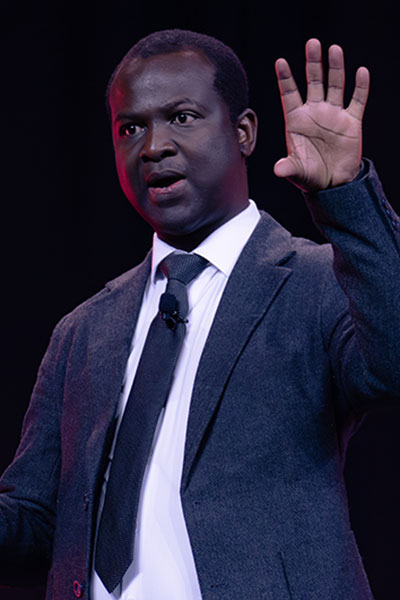
Tinashe Chikowore, PhD, MSc, Investigator in the Channing Division of Network Medicine and the Genetics Division at Brigham Woman’s Hospital and an Instructor of Medicine at Harvard Medical School, shared his work examining the application of genetics, omics, and machine learning in examining global dietary standards.
He noted that longitudinal studies on the impact of diet and diabetes have been traditionally skewed by applying European diets as the standard measurement, even though global diets are “culturally dynamic and diverse.”
Using large-scale data and artificial intelligence (AI), Dr. Chikowore and his colleagues are working to create a comprehensive breakdown of the essential nutrients behind traditional diets.
The goal is to develop nutritional, culturally sensitive diets so that “people are confident that they can use the foods that are accessible to them and culturally sensitive that can work toward reducing diabetes,” he said.

Save the date
Make plans to join us June 18–21, 2027, for the 2027 Scientific Sessions at the Walter E. Washington Convention Center in Washington, DC. Registration will open in January.