

On the opening day of the 2026 Scientific Sessions, Obesity Year in Review: Major Advances and Discoveries will provide a summary of recent and impactful literature on basic and translational research in the field. The symposium will take place on Friday, June 5 from 3:45–5:15 p.m. in La Nouvelle Orleans B of the Ernest N. Morial Convention Center.
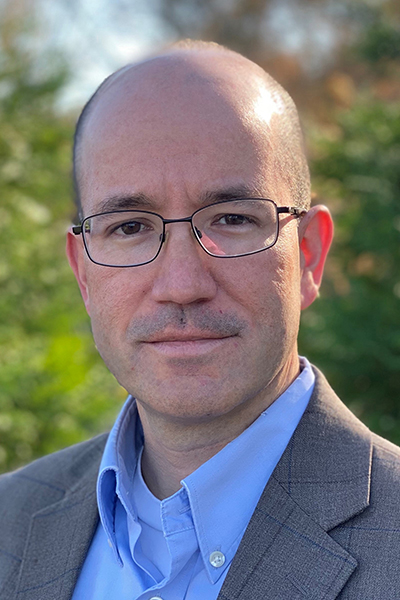
Julio E. Ayala, PhD, Associate Professor of Molecular Physiology and Biophysics at Vanderbilt University, will address the clinical application of transformative glucagon-like peptide-1 (GLP-1)-based drugs and identify knowledge gaps that can guide immediate and near-future clinical trials. Elizabeth Parks, PhD, Professor of Nutrition and Exercise Physiology at the University of Missouri, will discuss new and influential publications on the translational science of therapies for overweight and obesity. On-demand access to recorded presentations will be available to registered participants following the conclusion of the 2026 Scientific Sessions, from June 10–August 10.
Dr. Ayala said the current literature on the basic and pre-clinical science of GLP-1-based drugs in overweight and obesity therapies points to three key areas for future studies: heterogeneity of response to GLP-1-based drugs, loss of lean mass, and health benefits independent of weight loss. Closing the gap in knowledge about the heterogeneity of response is where basic science and pre-clinical studies might have the most significant opportunities and where Dr. Ayala plans to concentrate most of his presentation.
“We know of average weight losses of 15–20% with semaglutide and 20–25% with tirzepatide, but there are individuals who respond much more strongly to these drugs and individuals who are significantly less responsive to these drugs,” Dr. Ayala said. “This literature shows opportunities to dig deep into the mechanisms that contribute to the weight-loss effect of these drugs, and then to see if these mechanisms might be at least partially responsible for the heterogeneity in response that studies have revealed.
“We are just beginning to scratch the surface on addressing this question of heterogeneity of response,” Dr. Ayala continued. “Several factors are likely to contribute to this, so understanding the current literature and designing pre-clinical studies on this theme can be really impactful because these studies can narrow down the list of factors and help design subsequent pre-clinical trials.”
He said the literature is divided on the prevalence and degree of concern about how GLP-1-based drug therapy affects loss of lean mass, with more work to be done on both the pre-clinical and clinical trials to determine the populations affected and the extent of effect.
He noted that the literature on other beneficial effects of GLP-1-based drugs was less divided.
“There is very interesting data coming from both pre-clinical and clinical studies suggesting that although weight loss through these drugs certainly contributes to the beneficial effects on cardiovascular outcomes and liver diseases, there may also be direct benefits independent of the weight loss,” Dr. Ayala said. “I think we are further ahead in studying these effects than we are with the other two areas, heterogeneity of response and loss of lean mass, and that future pre-clinical studies will shed light on the details of these drugs’ effects that are independent of weight loss.”
Dr. Ayala encourages participation in the Q&A period following the presentations and informal talks continued outside of the symposium.
“Especially for young investigators, but for professionals of all stages, it is important to attend these meetings, talk with people who are involved in other studies, and develop connections. There’s only so much information that can be conveyed in a paper or a clinical study,” Dr. Ayala said. “Talking directly about pre-clinical or clinical work, getting behind-the-scenes insights, and filling in the blanks provides a richer experience.”
Save the date
Make plans to join us June 18–21, 2027, for the 2027 Scientific Sessions at the Walter E. Washington Convention Center in Washington, DC. Registration will open in January.