
-
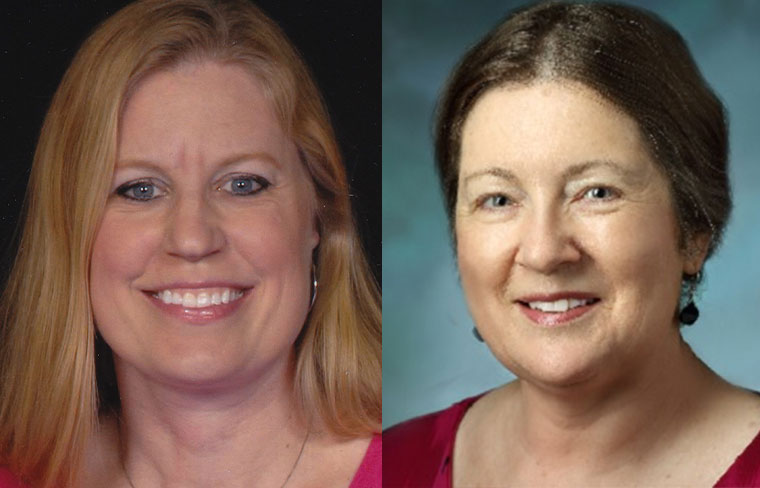
Pair of afternoon sessions will review updates to DSMES national standards and CDCES certification program
Amy Hess-Fischl, MS, RDN, LDN, BC-ADM, CDCES (left), and Michelle F. Magee, MD, MB, BCh, LRCPSI, will review the updated national standards for diabetes self-management education and support. A companion session will outline the revised certification program for certified diabetes care and education specialists.
-

ADA, EASD teaming up to bring precision medicine to diabetes care
The ADA and the European Association for the Study of Diabetes published a consensus report on precision diabetes medicine in 2020. Scientific Sessions attendees will get an update on this joint initiative during a special symposium on Saturday, June 4. John M. Dennis, PhD (left), and David Kerr, MD, are two of the featured presenters.
-
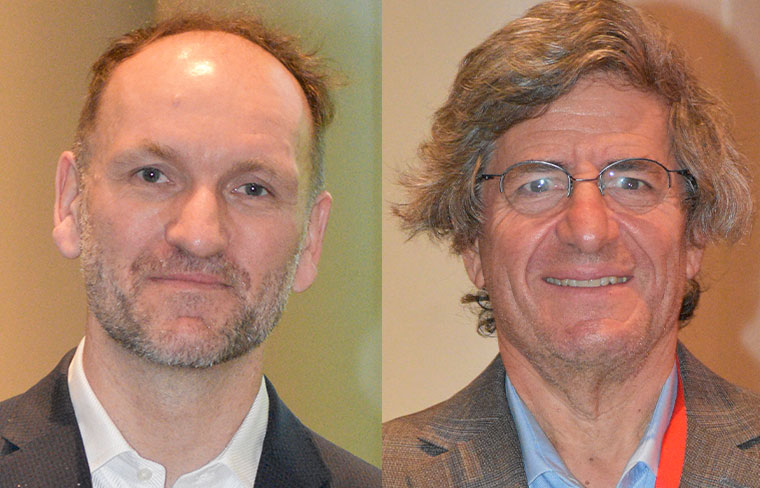
Experts debate whether hyperinsulinemia is the primary defect that causes type 2 diabetes
James D. Johnson, PhD (left), and Steven E. Kahn, MB, ChB, debated whether hyperinsulinemia is the primary defect that results in type 2 diabetes during a mini-symposium on Friday, June 3. “The big question is whether insulin resistance is primary or if hyperinsulinemia stimulates insulin resistance,” Dr. Johnson said.
-
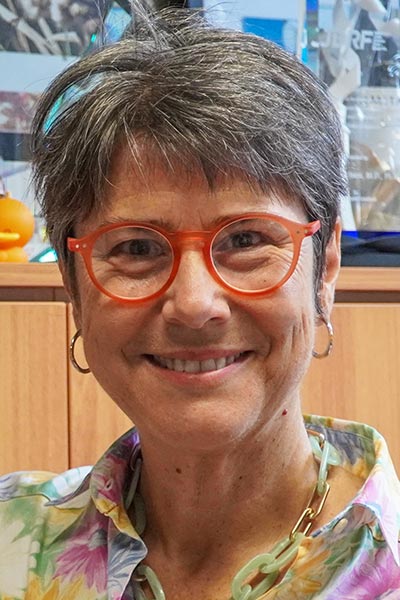
Researchers to report first results from highly anticipated type 1 diabetes intervention trial
The symposium will review the first findings from a key trial on the use of low-dose interleukin-2 in recently diagnosed type 1 diabetes. Experts will also look at past efforts at prevention and provide independent commentary on the trial results.
-
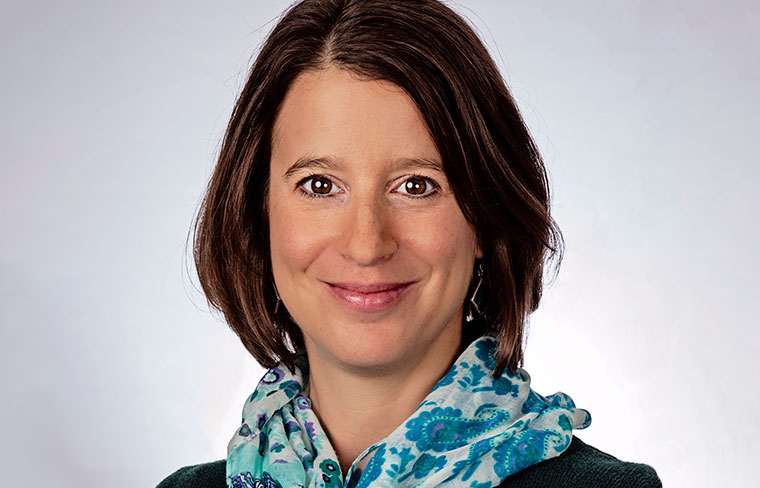
Joint ADA/ASN symposium to explore common pathways, novel approaches to diabetic kidney disease
Amy K. Mottl, MD, MPH, FASN, will open the joint session, which brings together experts from various disciplines in an effort to improve screening, uptake of practice guidelines, and patient outcomes.
-
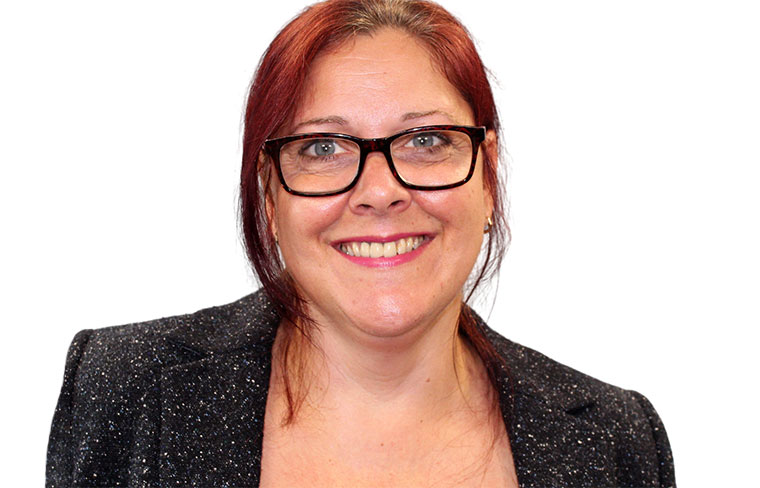
Panel to address strategies to reduce suicide and self-injury in diabetes patients
The mental health burden of diabetes remains “grossly underappreciated,” according to Katharine Barnard, PhD. She and other experts will discuss strategies to identify and provide support to diabetes patients at risk for suicide and self-harm.
-
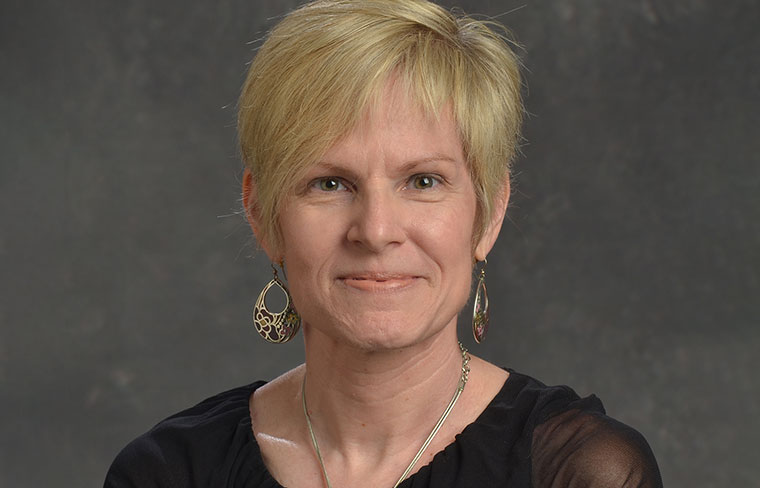
Symposium will examine the ‘secret sauce’ of weight loss in diabetes prevention
Hollie Raynor, PhD, RD, and three other expert presenters will review the latest lessons learned for maximizing weight loss maintenance in the U.S. National Diabetes Prevention Program.
-
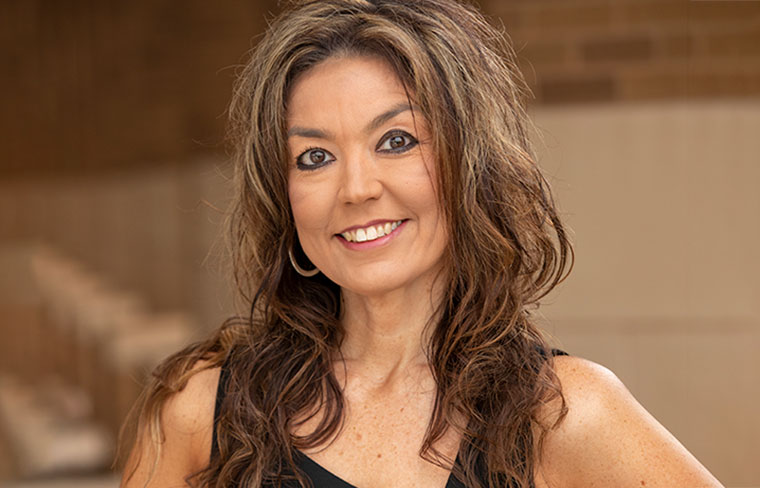
Person-centered care accounts for life outside the clinical setting
Person-centered care involves working with diabetes patients to determine the best treatment approaches to fit their lives. The best evidence and clinical guidelines don’t work for all individuals, according to Katherine S. O’Neal, PharmD, MBA, BCACP, CDCES, BC-ADM, CLS, FADCES.
-
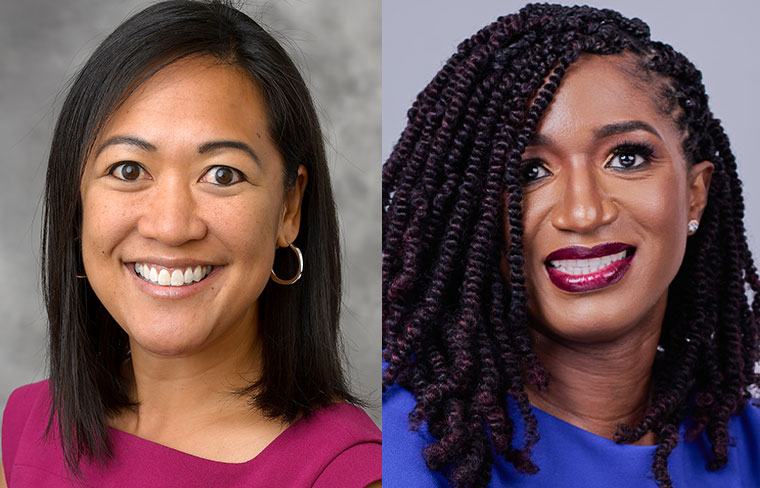
Education is key to bridging the diabetes technology gap in underserved populations
A multidisciplinary panel including diabetes care and education specialists Jasmine D. Gonzalvo, PharmD, CDCES, BC-ADM (left), and Vivian N. Ayuk, PharmD, CDCES, will discuss educational strategies to help underserved populations overcome barriers to technology access.
-

Helping patients increase physical activity requires consideration of sex differences, health disparities
Factors such as sex, gender, age, ethnicity, education, and living environment affect a person’s physical activity. Jane E. Yardley, PhD, and three other experts will share strategies for prescribing physical activity that are feasible and sustainable for various patient groups.