

In a randomized controlled trial, automated insulin delivery (AID) demonstrated improved glycemic outcomes compared to multiple daily injections (MDI) combined with continuous glucose monitoring (CGM) in hospitalized patients with difficult-to-manage blood glucose.
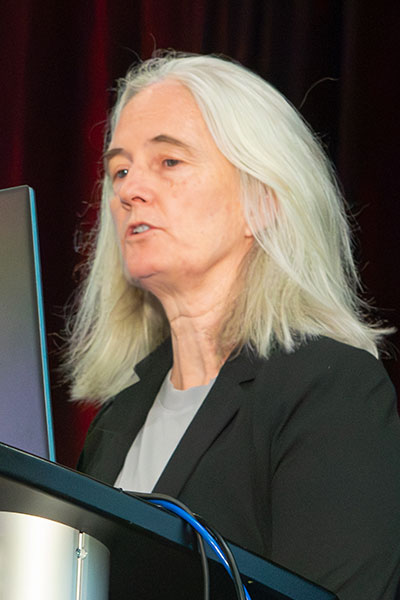
“Our hypothesis was that the use of AID would be superior to standard of care for insulin therapy, which is multiple daily injections in the hospital plus CGM. Our findings validated this outcome,” said Sue A. Brown, MD, Professor at the University of Virginia, during the Sunday, June 7, symposium, The AIDING Trial: Automated Insulin Delivery in the Hospital—Results and Implications for Inpatient Diabetes Care. On-demand access to recorded presentations be available to registered participants following the conclusion of the 2026 Scientific Sessions, from June 10–August 10.
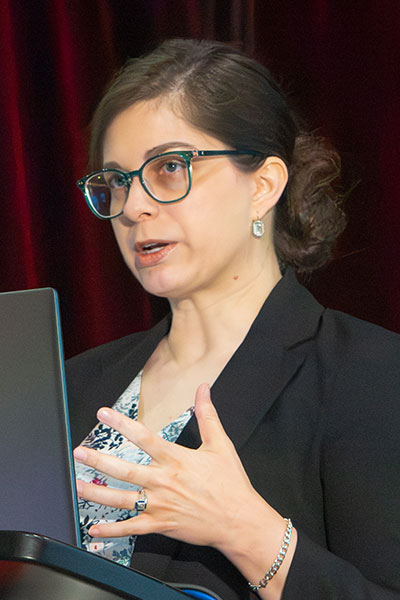
“The AID group achieved 67.7% time in target range, and the control group achieved 40.8% time in target range,” Dr. Brown noted. “This difference translated to a 27% increase in time in range with the use of AID compared to multiple daily injections plus CGM.”
Further, AID was associated with significantly lower average glucose levels than MDI plus CGM, with a mean of 163.7 mg/dL, which is below the inpatient glycemic target of 180 mg/dL, whereas MDI plus CGM had a mean of 197.6 mg/dL.
AIDING was an open-label, U.S.-based multicenter, randomized parallel-group, clinical trial that assessed the efficacy and safety of AID versus standard-of-care therapy with MDI plus CGM in hospitalized individuals with challenging glycemic management. The primary endpoint of the trial was time spent in the target range of 70-180 mg/dL.
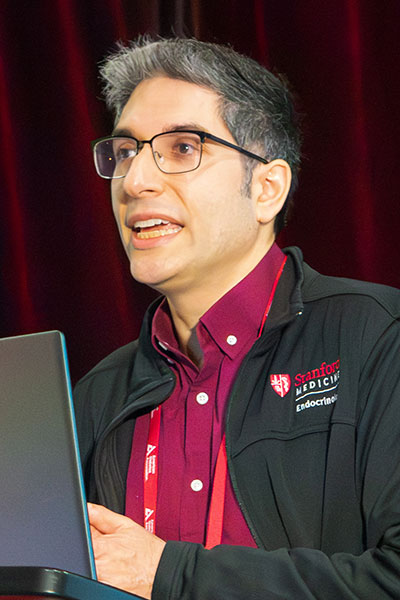
“There’s interest in AID being used for inpatient diabetes management because it enables automated insulin adjustments every few minutes in response to that real-time glucose data and reduces reliance on those frequent provider-driven dosing decisions that could be difficult to achieve,” said Georgia Davis, MD, MS, Associate Professor at Emory University.
The trial enrolled non-ICU adults with type 1 diabetes or type 2 diabetes with ≥2 glucose values over 180 mg/dL who required inpatient insulin therapy. The patients were randomized to either the Omnipod 5 AID System with G7 CGM with an initial target set to 120 mg/dL, or MDI with G7 CGM.
“CGM validation and calibration was done two times per day in both groups. Low-glucose alarms were set at less than 80 in both groups. High-glucose alarms were set for a sensor glucose greater than 300 for an hour. Insulin administration was by nursing staff,” explained Rayhan Lal, MD, Assistant Professor at Stanford University. “Insulin regimens were determined in the intervention group by the study team and in the control group by the primary team and endocrine consult teams.”
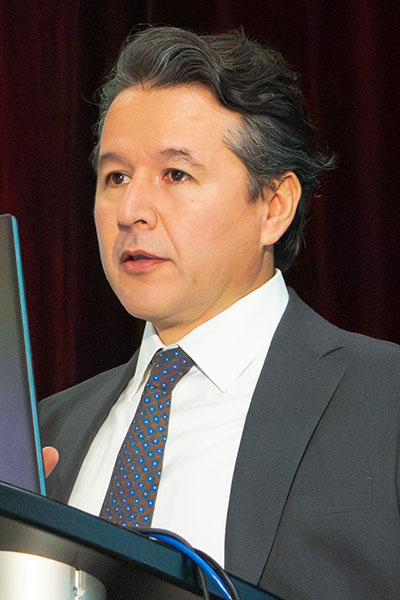
Notably, this trial included patients who are often excluded from clinical trials, including patients with type 1 diabetes, steroid-induced hyperglycemia, high A1C levels, and advanced kidney disease.
In terms of safety, AID markedly reduced the burden of severe hyperglycemic events, while hypoglycemia event counts were similar between groups. There was also no diabetic ketoacidosis or hyperosmolar hyperglycemic syndrome.
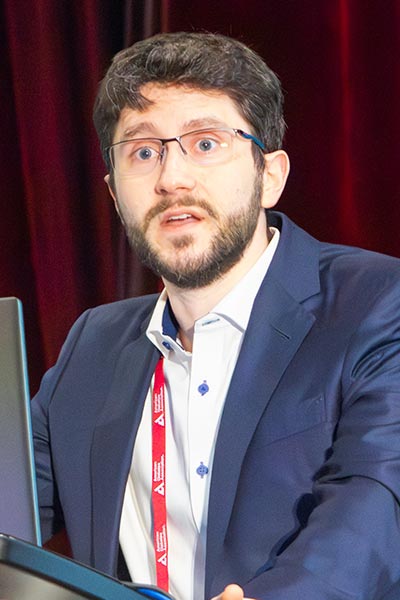
“For hospitalized people, including complex groups such as type 1 diabetes, steroid-induced hyperglycemia, high A1C, and advanced kidney disease, AID may offer a safe and more effective path toward glycemic targets than basal-bolus therapy with or without CGM,” said Francisco Pasquel, MD, MPH, Associate Professor at Emory University.
Prior to the AIDING trial, a single-arm feasibility trial of AID in hospitalized adults with diabetes who required insulin therapy was conducted. Findings from this study informed both the implementation strategy and the study design of the subsequent multicenter trial. Michael S. Hughes, MD, MS, Assistant Professor at Emory University, shared some of those key learnings.
“As much as possible, building on existing nurse workflows is very important. We really tried to integrate and not run a parallel system where a study person is doing this,” Dr. Hughes explained. “I think having a nurse who was actively caring for the patient also take this on is really something we tried to make happen.”

Save the date
Make plans to join us June 18–21, 2027, for the 2027 Scientific Sessions at the Walter E. Washington Convention Center in Washington, DC. Registration will open in January.