

Type 1 diabetes has long been treated with insulin replacement. This approach manages symptoms but does not cure the underlying disease. Enter immunotherapy, which focuses on early intervention to alter the progression of this type of diabetes by targeting multiple aspects of the immune system.
Researchers will explore the role of immunotherapy for type 1 diabetes during the symposium, Emerging Insights from Type 1 Diabetes Immunotherapy Clinical Trials, on Sunday, June 7 from 8:00–9:30 a.m. in La Nouvelle Orleans B of the Ernest N. Morial Convention Center. On-demand access to recorded presentations will be available to registered participants after the conclusion of the 2026 Scientific Sessions, from June 10–August 10.
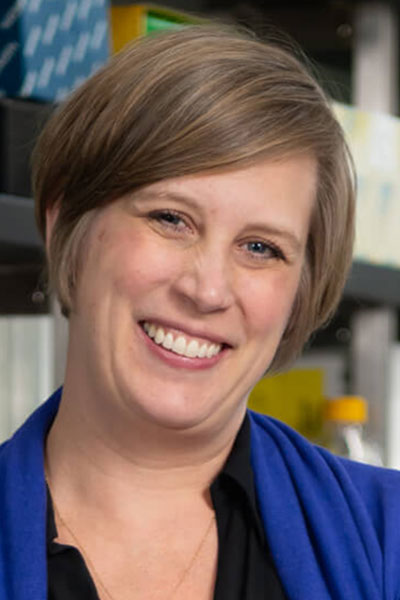
Cate Speake, PhD, Director, Center for Interventional Immunology, Benaroya Research Institute, will discuss the role of small mechanistic clinical trials in the arena of immunotherapy for type 1 diabetes.
“In several different studies, both published and unpublished, we have tested therapies that are approved for other indications in the setting of type 1 diabetes. These small mechanistic studies are asking questions about immunologic outcomes and drug mechanisms rather than being powered for a clinical outcome,” she explained.
Such studies offer valuable early information about what drugs might be best in type 1 diabetes and who might be more likely to respond to a therapy—details that can be useful in the design of a fully powered trial, Dr. Speake noted.
“The studies many companies do when they are developing their drugs do not include the same kind of immunologic depth that we are able to do in the context of these trials,” she continued. “By better understanding how the therapies work, we can think better about who should get what therapy and when.”
Lauren Higdon, PhD, Director of Biomarker and Discovery Research at the Immune Tolerance Network (ITN) at the University of California San Francisco, will offer an inside look at mechanistic studies in action.
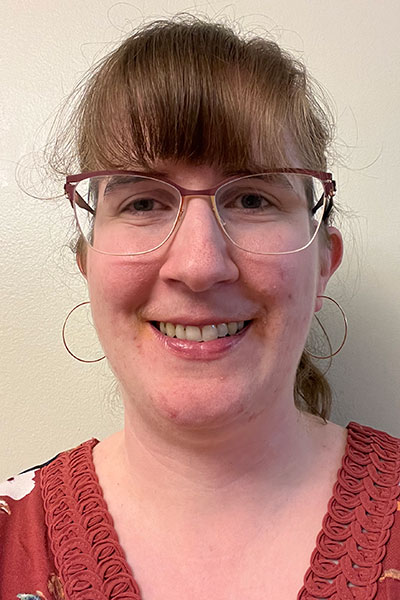
“One of our big strengths in the ITN is we are able to dig deeply on mechanistic studies to understand the impact of immunotherapy on a person with type 1 diabetes,” she said. “In a few different therapies, we found the emergence of exhausted CD4 and CD8 T cells seems to be correlated with response to immunotherapy in type 1 diabetes, and these cells may be protective.”
To better understand responses to immunotherapy in people with type 1 diabetes, ITN, and Type 1 Diabetes TrialNet are collaborating to design trials with shorter follow-ups—six months rather than the traditional two years.
“This way, we are set up to move faster and to test therapies sooner in fewer patients, gaining an earlier sense of whether the treatment is actually helping people,” Dr. Higdon said.
Stephen Eric Gitelman, MD, will discuss results and perspectives from multiple studies of antithymocyte globulin—from the ITN’s START study through the recent INNODIA MELD-ATG trial—in younger individuals with newly diagnosed stage 3 type 1 diabetes. Dr. Gitelman is a Professor of Pediatrics and Director of the Pediatric Diabetes Program at UCSF.
Robin Goland, MD, will share findings from TrialNet’s phase 1 TOPPLE trial, which tested a novel plasmid immunotherapy designed to modify the immune response in type 1 diabetes. Dr. Goland holds the J. Merrill Eastman Professorship of Clinical Diabetes and is Professor of Medicine and Pediatrics at Columbia University.
Save the date
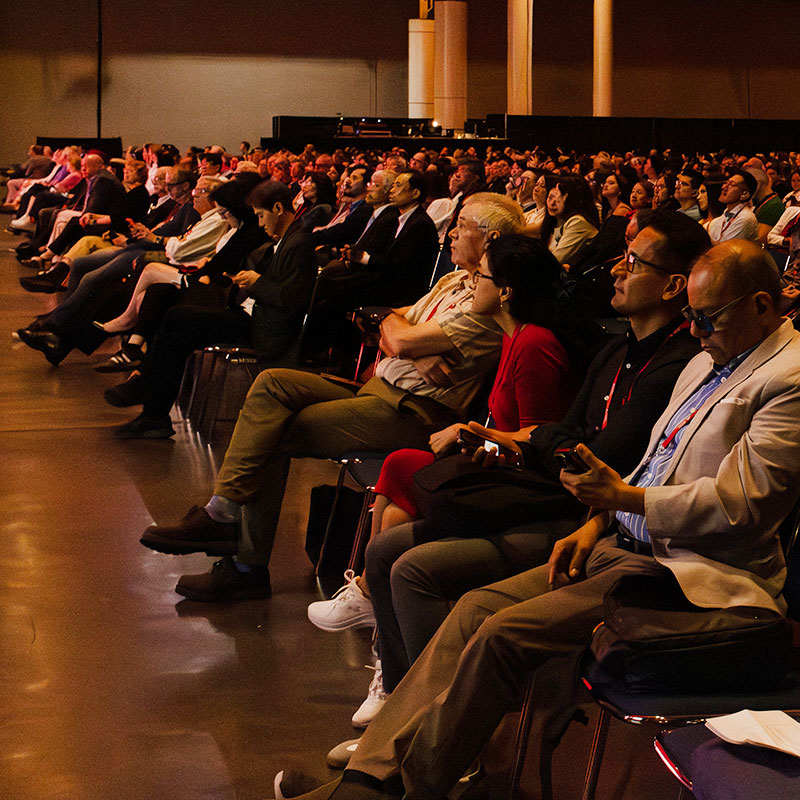
Make plans to join us June 18–21, 2027, for the 2027 Scientific Sessions at the Walter E. Washington Convention Center in Washington, DC. Registration will open in January.