


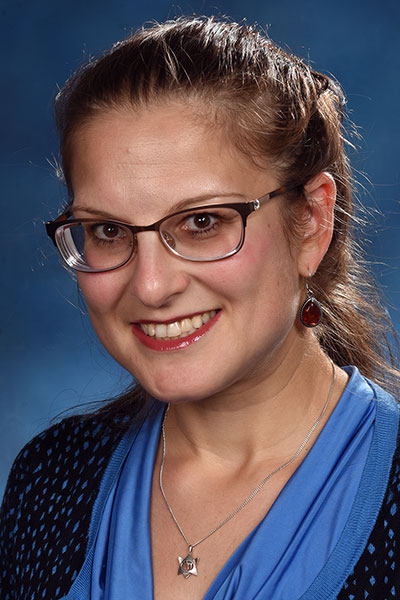
Rozalina G. McCoy, MD, MS
Associate Professor of Medicine
University of Maryland School of Medicine
Featured in the Session: The New Frontier of Hypoglycemia Prevention: Pathophysiology, Therapies, Technology, and Care
When
Sunday, June 7
at 1:30 p.m.
Where
R07 (Level 2)
Ernest N. Morial Convention Center
What is your presentation about?
Despite innovations in diabetes technology and therapeutics, rates of hypoglycemia and its associated morbidity and mortality remain unacceptably high. My presentation reviews how innovations in hypoglycemia prevention—from deprescribing programs and continuous glucose monitoring (CGM) expansion to computerized insulin dosing and standardized protocols in skilled nursing facilities—have been implemented into clinical practice to reduce hypoglycemia burden across settings and populations. As the closing speaker in a symposium covering hypoglycemia pathophysiology, pharmacotherapy, and digital prediction, my role is to bridge the critical last mile from innovation to implementation and to offer practical frameworks for getting started.
How do you hope your presentation will impact diabetes research or care?
I hope attendees leave recognizing that hypoglycemia prevention is not a single-intervention problem but a systems challenge that spans the clinic, the hospital, the nursing facility, and the patient’s home. My colleagues in this symposium will discuss several incredible innovations to further reduce the burden and impact of hypoglycemia, but I want to shift the conversation from “what new tool can we build?” to “how do we get what works to every person with diabetes, equitably and sustainably?” My goal is to empower and equip every member of the audience, and every person who cares for someone at risk for hypoglycemia more broadly, to take actionable steps to reduce hypoglycemia in the management of diabetes.
How did you become involved with this area of diabetes research or care?
Early in my career, I became interested in understanding how to better deliver diabetes care—including pharmacotherapy, diabetes self-management education and support, technology, or medical care—to improve health and quality of life in a way that is acceptable to and sustainable for people with diabetes, their care partners, their clinicians, and the healthcare system. My research on overtreatment and hypoglycemia revealed that our health systems were failing to detect and act upon most severe episodes, despite the great impact of hypoglycemia on morbidity, mortality, and quality of life, and that older adults and patients with complex needs were bearing the greatest burden. That foundational work ultimately grew into an interdisciplinary research program focused on treatment safety, real-world evidence, primary care and community-based care delivery, and health policy, all seeking to improve the quality, accessibility, and sustainability of person-centered diabetes care.