


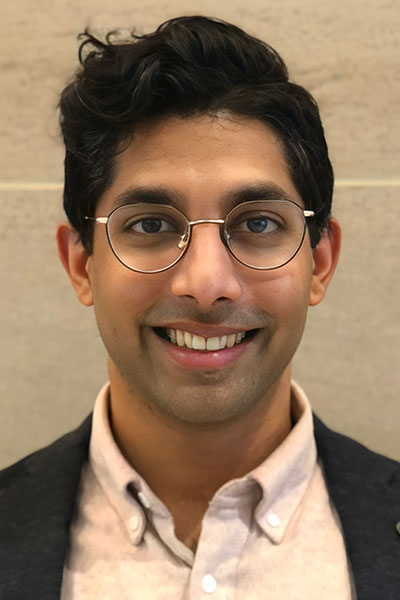
Paraish Misra, MD, PhD
Assistant Professor
McGill University Health Centre
Featured in the Session: Immune Modulatory Strategies for Next-Generation Cell Therapies
When
Sunday, June 7
at 1:30 p.m.
Where
343 (Level 3)
Ernest N. Morial Convention Center
What is your presentation about?
My presentation focuses on engineering islet-like cells from human pluripotent stem cells to create an off‑the‑shelf cell therapy for diabetes that could reduce or eliminate the need for long-term immunosuppression. The core strategy is to edit human leukocyte antigen (HLA) molecules, which are central molecular drivers of allorejection. I will show how specific HLA modifications help these cells evade three major drivers of allograft rejection: T cells, NKG2A+ NK cells, and donor-specific antibodies. Together, these findings advance our understanding of the molecular determinants of allorejection in pluripotent stem cell-derived islets and inform the design of future universal donor cell therapies.
How do you hope your presentation will impact diabetes research or care?
I hope this work will help move the field toward truly off‑the‑shelf islet replacement therapies that do not require chronic systemic immunosuppression, making cell therapy more accessible to people with type 1 diabetes. By dissecting how specific HLA edits shape T cell, NK cell, and antibody responses to pluripotent stem cell-derived islets, I aim to provide a mechanistic framework that others can use to rationally design safer and more durable universal donor cell products.
How did you become involved with this area of diabetes research or care?
I came to this area as a clinician-scientist caring for people with end-stage kidney disease, where diabetes is the leading cause of kidney failure and is associated with worse outcomes than many other causes. Seeing patients reach dialysis or transplant despite optimal medical therapy pushed me toward regenerative medicine as a way to intervene earlier and more fundamentally. Working at the interface of stem cell biology, immunology, and transplantation, I see many exciting opportunities to change the trajectory of diabetes-related kidney disease, and I hope to contribute meaningfully to that progress.