






-

Studies show benefit of CGM adoption in pediatric population
Monday’s Joint ADA/JDRF Symposium posed the question: Is CGM in pediatric diabetes ready for prime time? The answer is a resounding yes, according to David M. Maahs, MD, PhD.
-
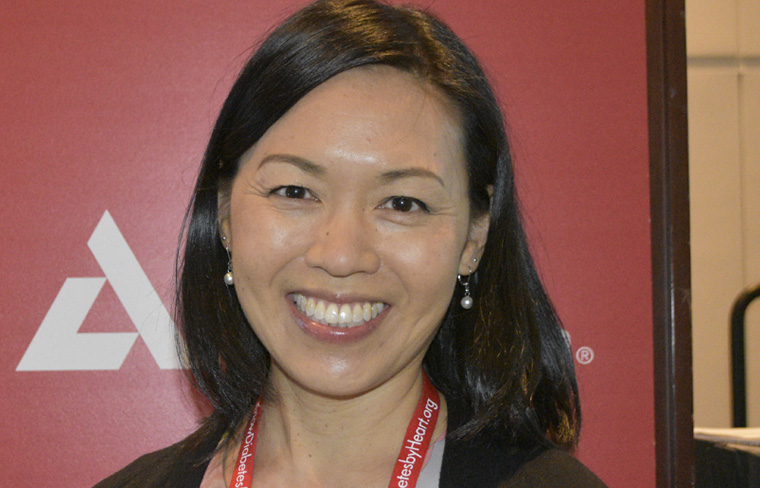
ADA Special Interest Group tackles device technology dilemmas
Choosing, prescribing, and assisting patients with medical devices can be a challenge for diabetes clinicians, according to Jenise C. Wong, MD, PhD. On Monday at the Scientific Sessions, the ADA’s Diabetes Technology Special Interest Group addressed some of those challenges and sponsored a panel discussion looking at ways the group can help ADA members tackle…
-
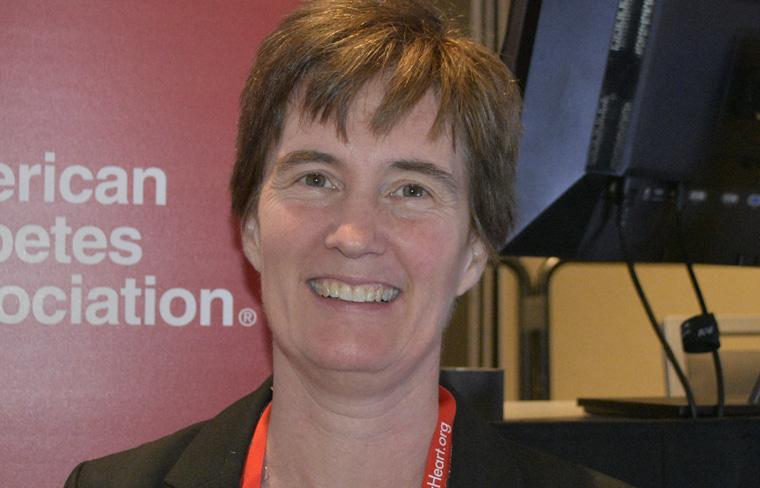
Studies provide long-term safety, efficacy data for artificial pancreas use
Sue A. Brown, MD, was among the researchers who presented study results on Sunday demonstrating the safety and efficacy of artificial pancreas systems for insulin delivery and glycemic control. The results signal that this long-discussed technology is moving closer to approval and widespread use.
-
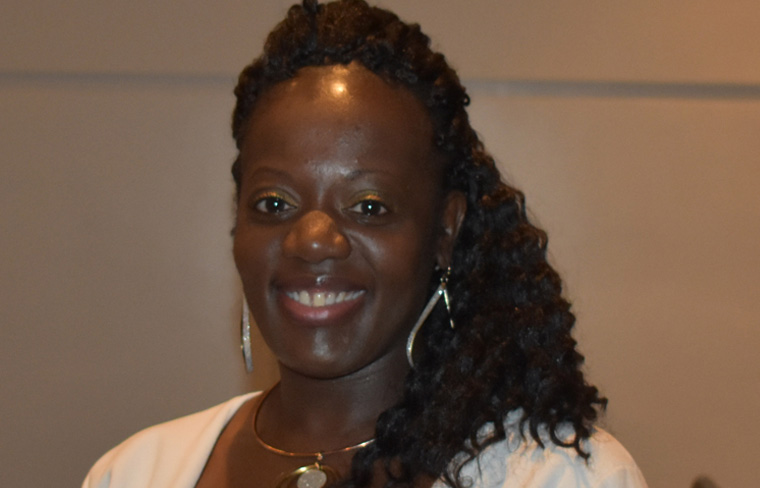
Experts discuss mealtime and monitoring tips for parents of pediatric type 1 diabetes patients
During a Monday morning symposium at the Scientific Sessions, a panel of pediatric diabetes experts, including Nana-Hawa Yayah Jones, MD, discussed the challenges parents and providers face when trying to manage the dietary and nutritional needs of children with type 1 diabetes.
-

Nonsteroidal solution may be key to aldosterone-blocking therapy for diabetic kidney disease
After 20 years of failure in studies on diabetic kidney disease (DKD), recent trial results showing reduced renal outcomes with SGLT2 inhibitors were only the beginning of the good news for DKD patients, according to Peter Rossing, MD, DMSc.
-

Gut-based interventions for diabetes move closer to clinical reality
Suzanne Devkota, PhD, and David Mangelsdorf, PhD, are two of the presenters who will discuss the latest findings on gut metabolism during Tuesday’s symposium “Go With Your Gut—Intestinal Regulation of Metabolism,” which begins at 7:30 a.m. in S-208 (South, Level 2). They preview the session in this ADAMeetingNews.org exclusive.
-

Composition of adipose tissue may point to new treatment pathways
Emerging research suggests that the composition of adipose tissue may be more important in terms of insulin sensitivity and personal diabetes risk than the quantity of fat an individual carries. C. Ronald Kahn, MD, Yu-Hua Tseng, PhD, and Bart Deplancke, PhD, will discuss the latest research during the Tuesday session “Adipose Tissue at the Single-Cell…
-

Q&A: Genetics and epigenetics of diabetic complications
Genetic variation provides a partial explanation for the occurrence of diabetes and its complications. But epigenetic variation has a role, as well. ADAMeetingNews.org spoke with Niina Sandholm, DSc, and Rama Natarajan, PhD, two of the researchers who will review the latest findings in this area during the Tuesday morning symposium “Genetics and Epigenetics of Diabetic…
-
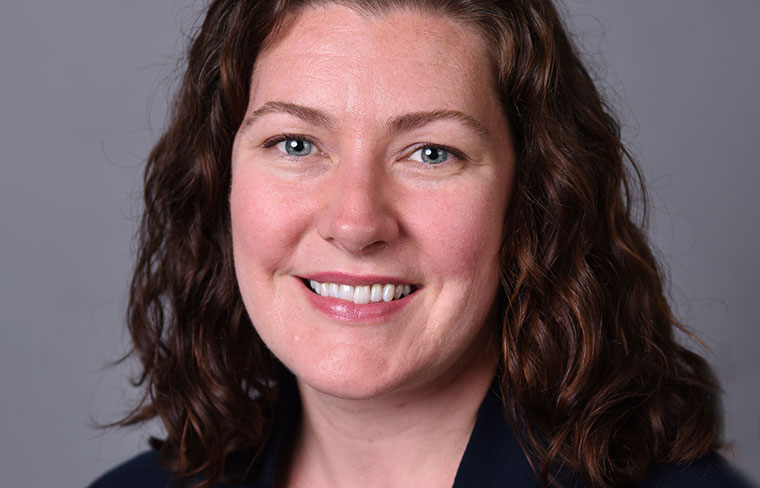
Researchers investigating communication between beta-cell organelles
New evidence suggests that cellular organelles such as endoplasmic reticulum, mitochondria, and lysosomes are active communicators using newly recognized intra- and intercellular channels. A group of researchers, including Amelia K. Linnemann, PhD, will examine the latest research during the Tuesday symposium “Beta-Cell Organelles Talk Amongst Themselves,” which will begin at 7:30 a.m. in S-303 (South,…
-

3 More Things about Tuesday
Here’s everything you need to know as you prepare for the final day of the 79th Scientific Sessions, including Tuesday’s meeting hours and information about airport transportation.