


-

Focus on cognitive issues could lead to better weight loss therapies
A better understanding of cognitive issues could lead to improved weight loss therapies and help curb the obesity epidemic, according to three behavioral scientists who examined the role of cognitive function in obesity and appetite regulation during the Virtual 80th Scientific Sessions. Cognitive function, especially executive function, may be a critical missing moderator of weight…
-

Diabetes care and education specialists describe innovative programs, research
During a two-hour virtual presentation at this year’s Scientific Sessions, four diabetes care and education specialists discussed innovative programs and research designed to address care gaps in diabetes management. Jodi Krall, PhD, discussed the use of technology, particularly telemedicine, to expand access to nutrition and diabetes education.
-

There’s no one-size-fits-all treatment for diabetic foot osteomyelitis
Management of the diabetic foot infection osteomyelitis is a daunting task. While many treatment algorithms exist, there’s no one-size-fits-all protocol, according to Crystal Holmes, DPM, CWSP, who moderated a Scientific Sessions symposium examining dilemmas in diabetic foot infection management.
-
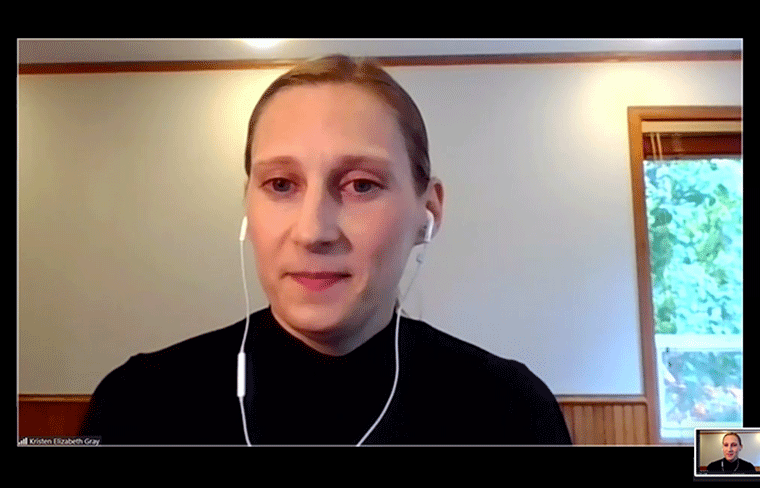
Research indicates reciprocal links between diabetes and menopause symptoms, onset
Studies indicate that women diagnosed with diabetes before age 20 have an increased risk of early menopause, and that early onset of menopause is associated with a greater risk of type 2 diabetes. Five experts, including Kristen Gray, PhD, MS, discussed the reciprocal links between menopause and diabetes during the Virtual 80th Scientfiic Sessions.
-

Experts review new insights, lessons learned about bariatric surgery
Bariatric surgery helps patients lose weight and improves insulin sensitivity, but follow-up and postoperative management are critical for enduring success and overall health, according to the five experts who presented a virtual symposium on bariatric surgery during the Scientific Sessions. Michael Roden, MD, chaired the symposium and discussed metabolism remodeling following bariatric surgery.
-
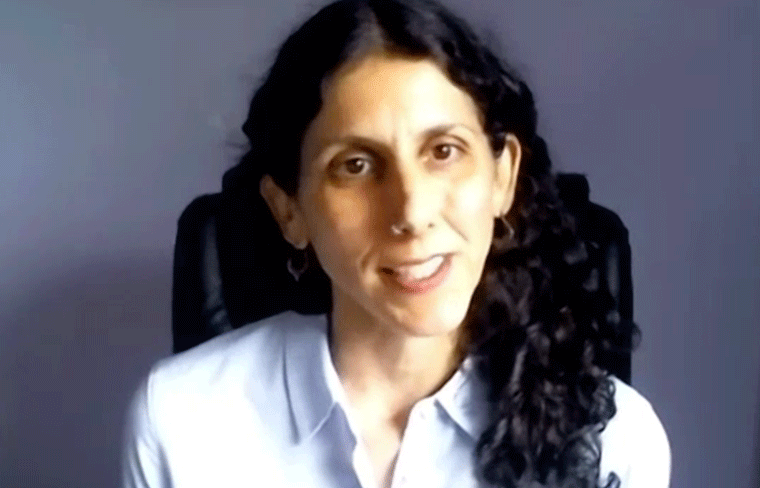
Investigators explore latest research examining relationship of fetal sex to diabetes, obesity, metabolic syndrome
Four researchers, including Samantha Ehrlich, PhD, reviewed the latest data related to fetal sex and pregnancy outcomes during a Scientific Sessions symposium. Ongoing research has revealed several insights into how fetal sex may influence not only the mother’s health during pregnancy and beyond, but also how it may influence the child’s health throughout life.
-

Diabetes prevalence in sub-Saharan Africa will more than double in next 25 years, experts warn
More than 19 million people in sub-Saharan Africa are currently diagnosed with diabetes, with another 27 million expected to be diagnosed by 2045. These stark numbers require immediate action, according to the experts who presented a Scientific Sessions symposium exploring diabetes in sub-Saharan Africa. Ayesha Motala, MB, ChB, MD, FRCP, FCP, moderated the virtual presentation.
-
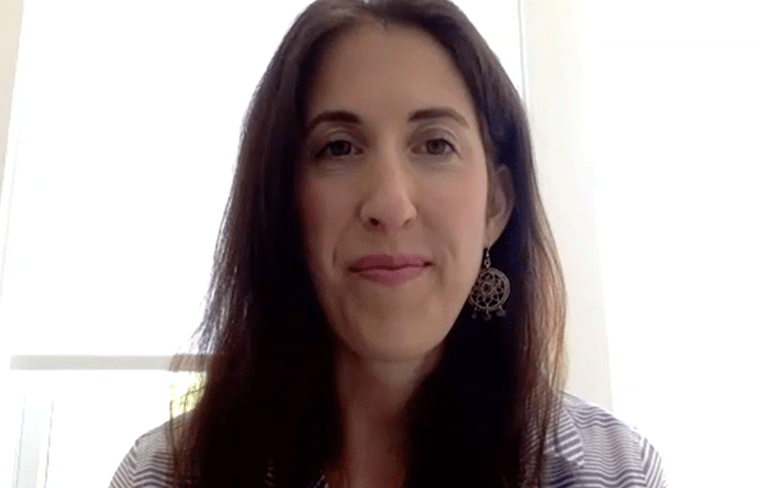
Wide adoption of digital devices creates opportunities to improve diabetes care
Rachel Stahl, MS, RD, CDN, and three other health innovation experts shared strategies for integrating digital technologies into diabetes management during a Scientific Sessions symposium. Half a billion people worldwide use digital devices for health-related purposes, from managing chronic diseases to tracking diet and physical activity, Stahl said.
-

Experts debate whether drawing the line between primary and secondary prevention improves CVD outcomes for diabetes patients
During a Current Issues debate at the Virtual 80th Scientific Sessions, four experts examined whether distinguishing between primary and secondary prevention strategies can improve cardiovascular disease outcomes for diabetes patients. Milton Packer, MD, and Javed Butler, MD, MPH, MBA, debated the need to distinguish between prevention strategies for heart failure complications.
-
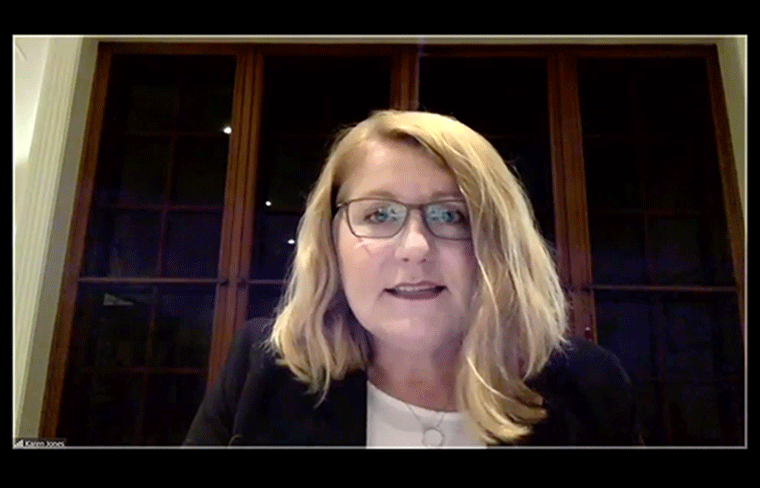
Experts review current recommendations for management of diabetic neuropathies
During a Virtual 80th Scientific Sessions symposium, Karen L. Jones, PhD, DipAppSc, and two other experts provided an update on the latest research and current recommendations for treating diabetic neuropathies, including the clinical management of gastrointestinal autonomic neuropathies, the impact of diet and lifestyle interventions on diabetic neuropathies, and the pharmacological management of painful neuropathy.