


-
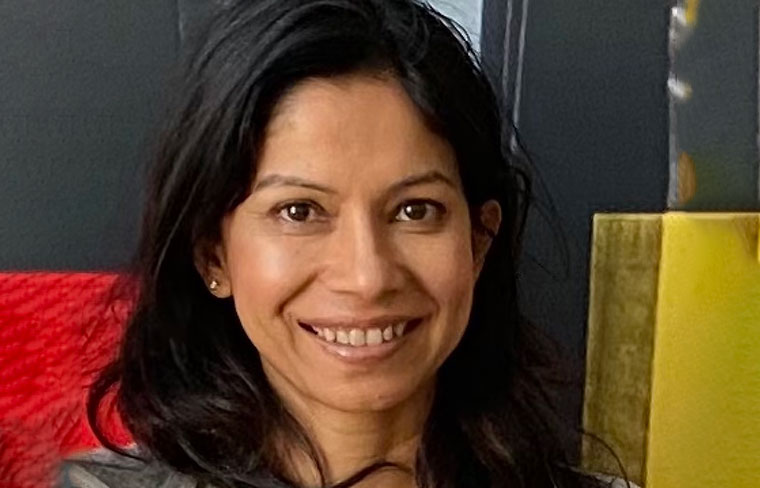
Presenters will define diabetes endotypes in pursuit of precision medicine
The ADA’s Precision Medicine in Diabetes Initiative aims to tap into the potential of individualized medicine to improve the lives of people with diabetes. Genetic testing is one component of this strategy to better understand the disease and refine diagnostics. Rinki Murphy, MBChB, FRACP, PhD, and other experts will discuss why endotypes matter in achieving…
-
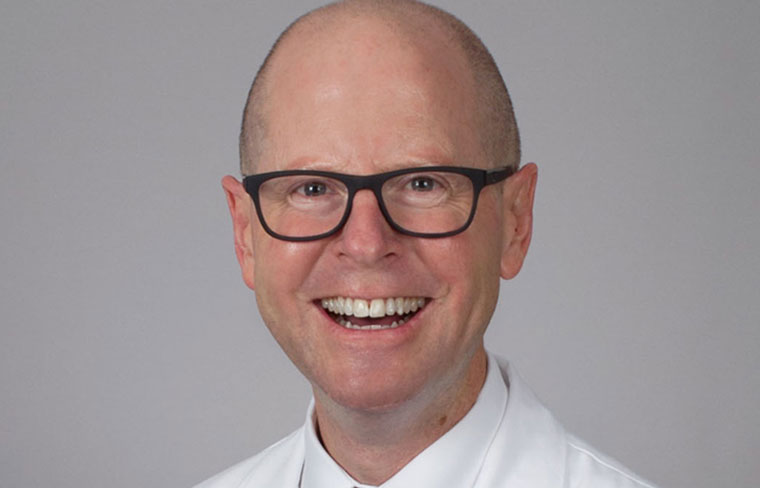
Symposium to help providers navigate diabetes foot care
Managing foot care is a challenge people living with diabetes face on a daily basis. David G. Armstrong, DPM, MD, PhD, and other panelists will present approaches providers can implement to help their patients living with diabetes get ahead of foot injuries and improve foot health.
-
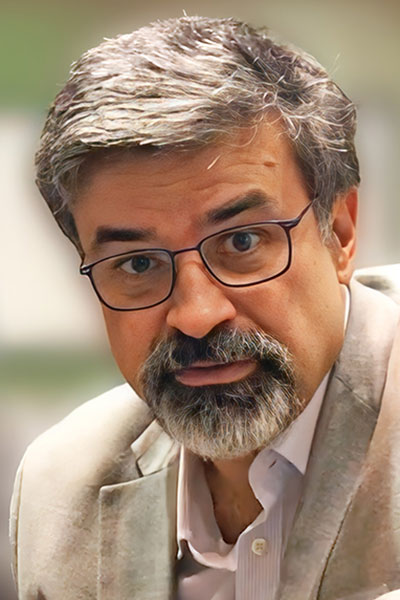
More opportunities for attendee engagement and interactivity at the 83rd Scientific Sessions
Attendees in San Diego will experience new program features, educational offerings, and networking opportunities—all intended to enhance the overall Scientific Sessions experience, said Marlon Pragnell, PhD, ADA Vice President of Research & Science. More debates, audience polling, and extended time for questions are among the additions.
-
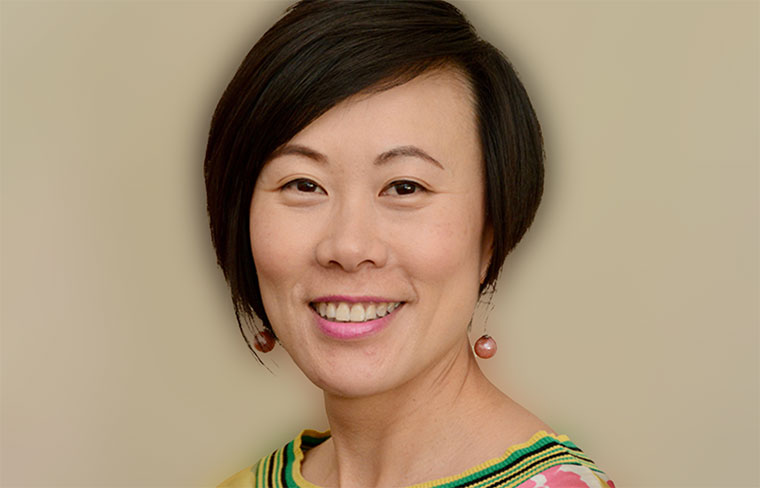
Scientific Sessions features four days of cutting-edge basic, translational, and clinical science
Scientific Sessions Meeting Planning Committee Chair Alice Y.Y. Cheng, MD, FRCPC, previews the program, featuring more than 190 sessions and 2,000 original research presentations on the latest clinical trial findings, highly anticipated study results, current hot topics, and emerging trends in diabetes research, prevention, and care.
-
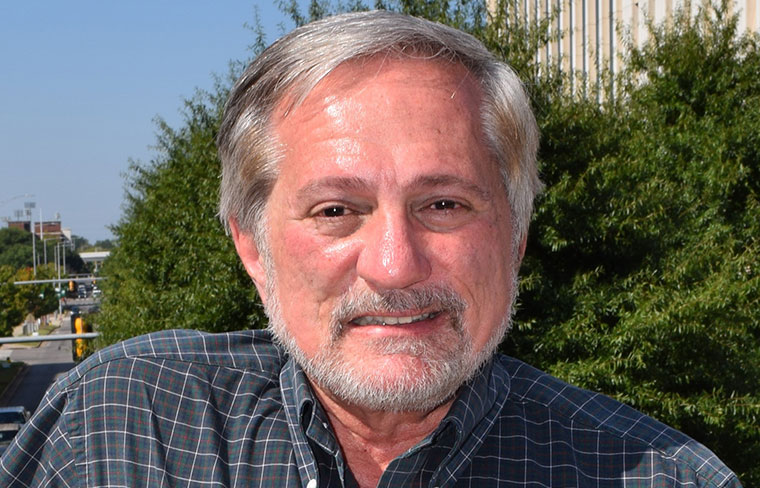
SURMOUNT 2 offers new data on tirzepatide use for obesity and type 2 diabetes
Carrying extra weight exacerbates diabetes and can lead to a variety of metabolic and biomechanical complications. In SURMOUNT 2, a GLP-1/GIP dual receptor agonist led to weight loss in patients with both obesity and type 2 diabetes to an extent previously unseen. Investigators including W. Timothy Garvey, MD, will present trial results at the Scientific…
-
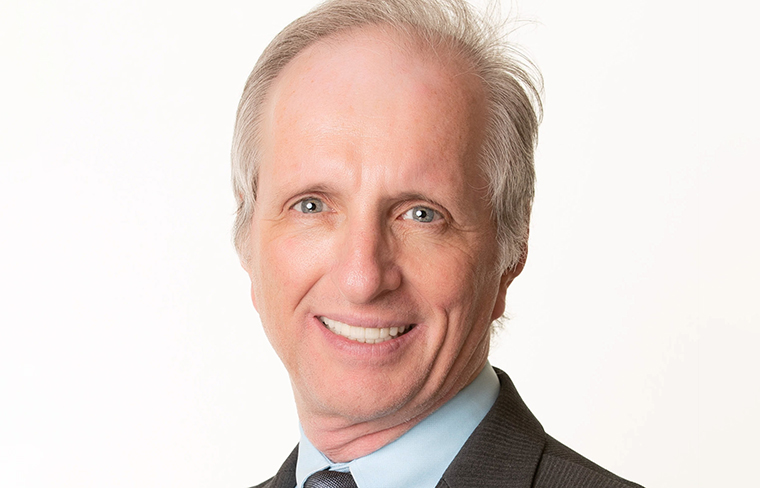
Physician-investigators to discuss definition, implications of remission in type 2 diabetes
Since the publication of the Consensus Report: Definition and Interpretation of Remission in Type 2 Diabetes in 2021, the applicability of remission as a realistic treatment goal has evolved. A panel including Hertzel C. Gerstein, MD, MSc, FRCPC, will discuss the concept of remission in diabetes and its potential in research and patient care.
-
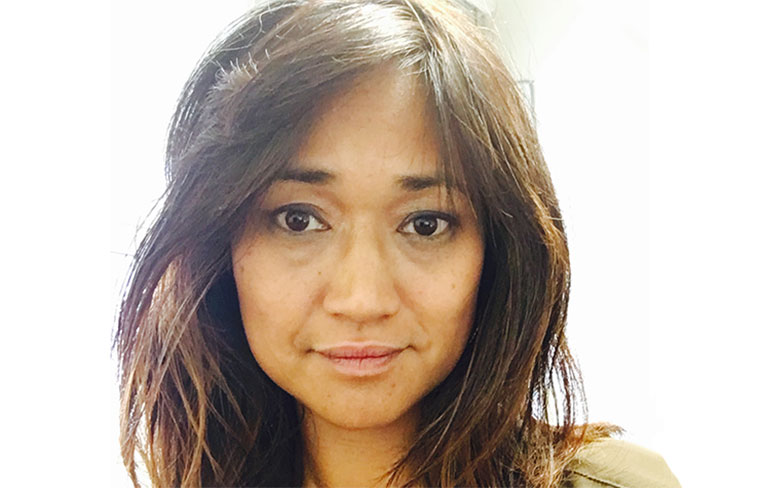
Panel to examine challenges of diabetes care and prevention in immigrant populations
Experts including Aimee Afable, PhD, MPH, will discuss the growing risk of diabetes in populations that immigrate to the U.S. and what may be leading to those risk factors. Discussions will include the challenges of adapting programs and approaches in treating and mitigating diabetes to meet the needs of culturally distinct communities.
-
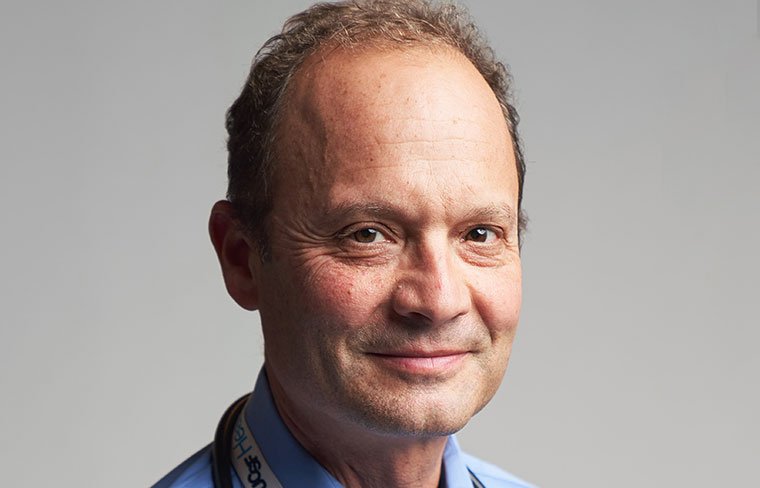
Experts to explore drugs’ potential to delay type 1 diabetes
Last fall, the U.S. Food and Drug Administration approved teplizumab as the first disease-modifying therapy in type 1 diabetes. Experts including Stephen E. Gitelman, MD, will present insights from studies of teplizumab and other agents, including abatacept and hydroxychloroquine, that have provided road maps to help delay the onset of disease.
-
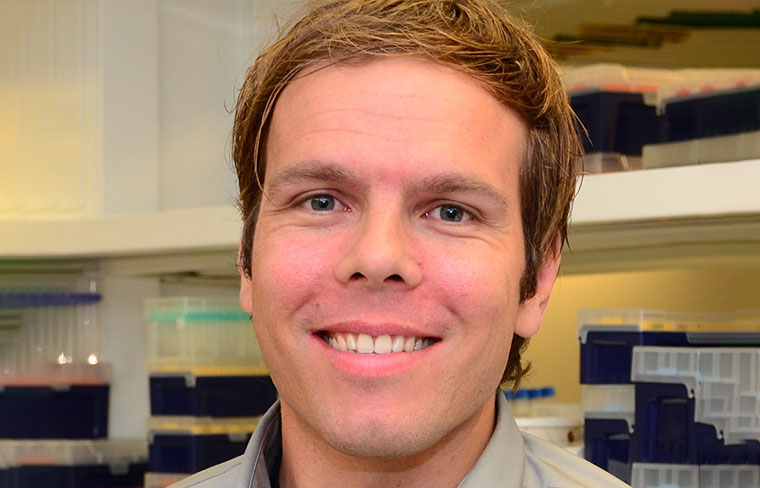
Session will highlight diabetic retinopathy risk factors
People with diabetes are at risk for retinopathy. Ward Fickweiler, MD, will discuss research exploring the relationship between the presence of age-related macular degeneration and diabetic retinopathy severity in people with type 1 diabetes. Other panelists will discuss glucose management, prior cerebrovascular disease, and autonomous artificial intelligence diabetic eye exams.
-
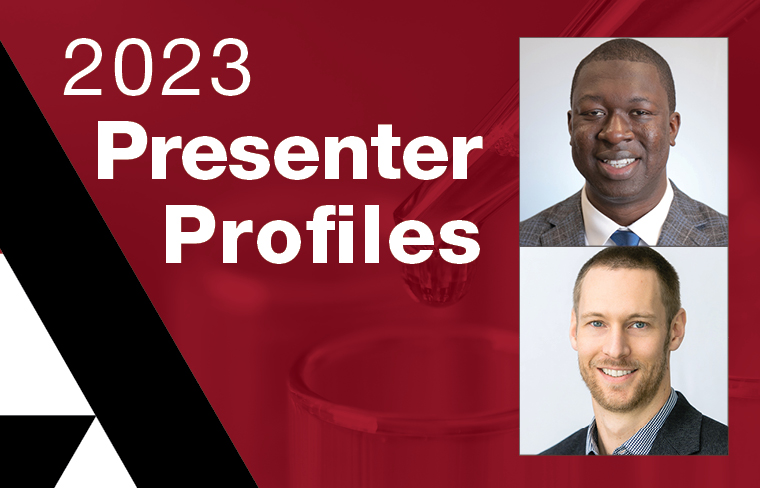
Presenter Profiles: What Can Diabetes Quality Teams Learn from Engineers and Designers?
Osagie Ebekozien, MD, MPH, and Schafer C. Boeder, MD, preview their presentations at the 83rd Scientific Sessions. Attendees in San Diego can watch the session in-person Saturday, June 24, at 3:15 p.m. PT, and select recordings will be available on the meeting’s virtual platform after the live presentations.