

-

Presenter Profile: Heterogeneity of Diabetes—Pathophysiology to Global Considerations
Paul W. Franks, PhD, previews a presentation at the 84th Scientific Sessions. Attendees in Orlando can watch the session in-person Saturday, June 22, at 4:30 p.m. ET, and select recordings will be available on the meeting’s virtual platform after the live presentations.
-
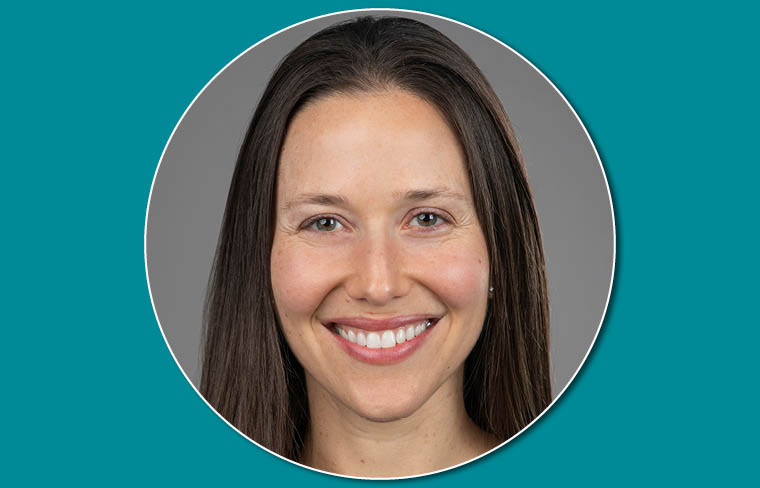
Presenter Profile: Diabetes and the Lung—Cause and Consequence
Dinah Foer, MD, previews a presentation at the 84th Scientific Sessions. Attendees in Orlando can watch the session in-person Saturday, June 22, at 4:30 p.m. ET, and select recordings will be available on the meeting’s virtual platform after the live presentations.
-

Investigators to discuss TIGHT study on in-patient CGM
TIGHT Study Chair Irl B. Hirsch, MD, and other researchers will share new data on whether continuous glucose monitoring (CGM) can be used as effectively in the hospital as it is in the outpatient setting. The study also highlighted the challenges created by a scarcity of dedicated in-hospital diabetes care teams in community hospitals.
-

Researchers to share early INHALE-3 data on efficacy of basal insulin plus inhaled insulin for type 1 diabetes
Investigators will discuss findings from a randomized trial that compared a regimen of basal insulin plus inhaled insulin and CGM versus usual care and CGM in adults with type 1 diabetes.
-
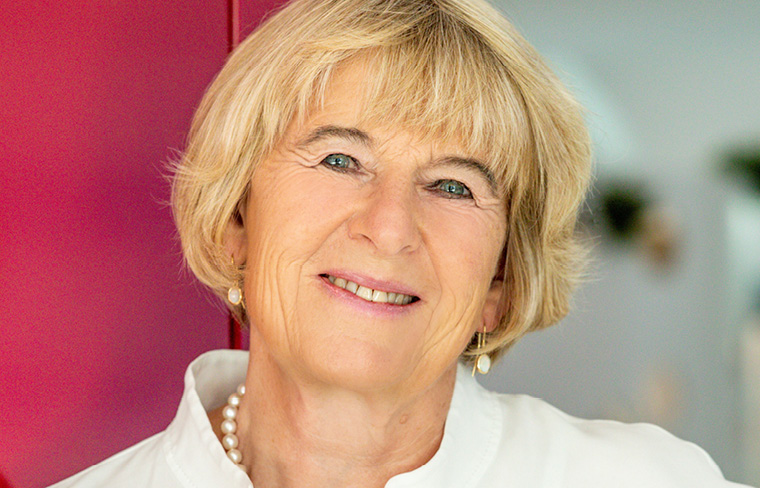
Session to examine evolution of approaches for pediatric type 1 diabetes
The paradigm for type 1 diabetes is shifting from treatment to disease prevention, says Anette-Gabriele Ziegler, MD, one of the experts who will discuss navigating the early phases of type 1 diabetes in children.
-
Researchers to review blockbuster year of diabetes science
Major advances have built on the growing understanding of diabetes as more than a glycemic disorder. Vanita R. Aroda, MD, will discuss clinical science discoveries, Bruce Verchere, PhD, will discuss basic science breakthroughs, and Mary-Elizabeth Patti, MD, will discuss new insights in translational science.
-
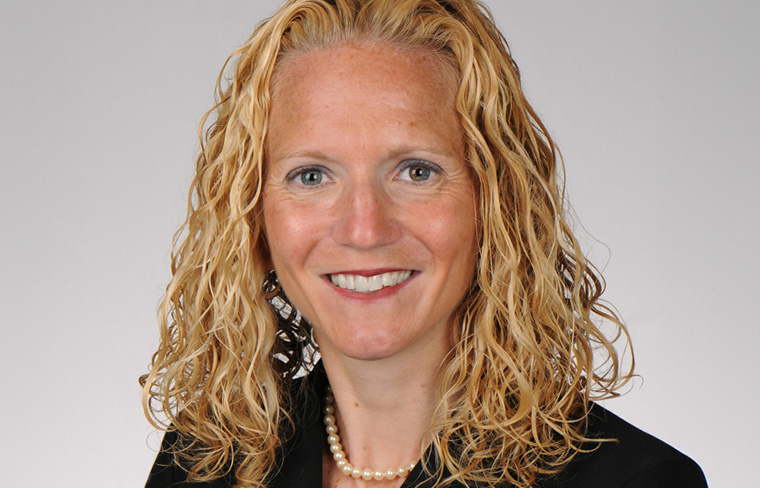
Innovations in diabetes technology present challenges, opportunities
Remote patient monitoring, CGM, and smart insulin pens are transforming patient care. Emily E. Johnson, PhD, and other panelists will discuss the real-world implications of new technology on diabetes management.
-

Debate will offer multiple perspectives on who should receive new antiobesity drugs
William H. Herman, MD, MPH, will explore the health economics of weight-loss medications alongside panelists detailing the rationale for prioritizing antiobesity medication for three groups of patients: those who have already benefited from the drugs, those who are overweight and have cardiovascular disease, and those with obesity and no comorbidities.
-
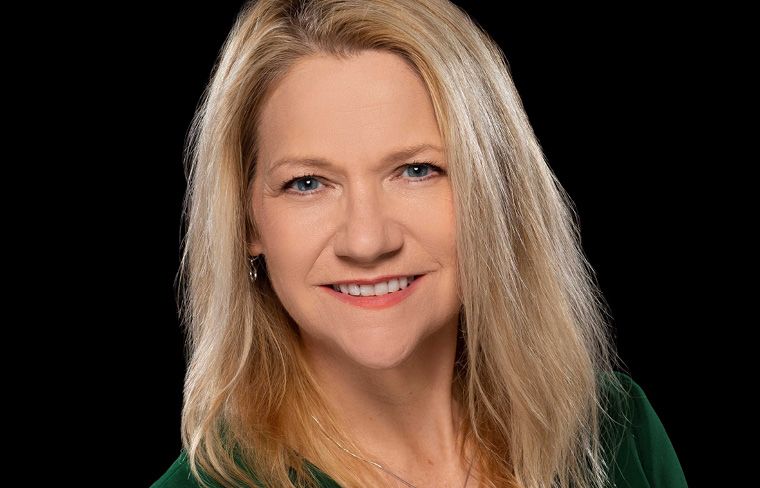
Panel to explore the highs and lows of cannabis use for patients with diabetes
Recreational use of marijuana is legal in more than half of U.S. states. Angela Bryan, PhD, and other investigators will highlight the potential effects of cannabis use—both medically prescribed and recreational—on the health of people with diabetes.
-
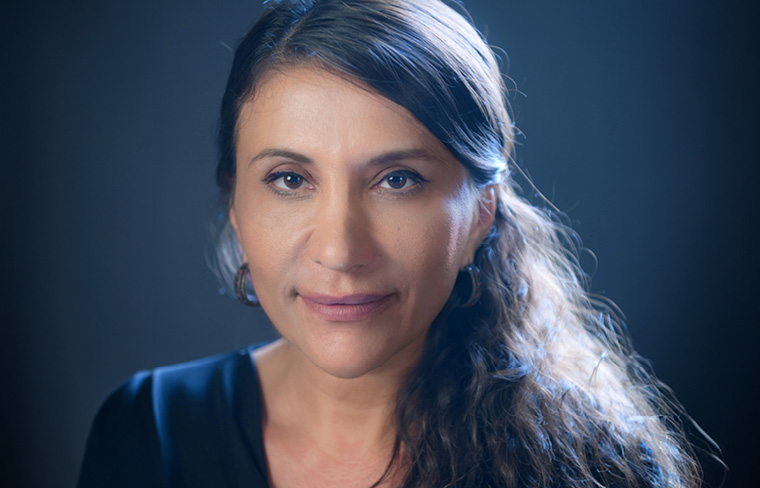
Symposium will evaluate the impact of weight fluctuation on cardiometabolic diseases
Mounting evidence suggests that while weight loss improves clinical parameters of metabolic health, weight regain can worsen the risk for diseases like type 2 diabetes. Panelists including Iris Shai, PhD, will explore the causes and consequences of weight fluctuation.