

-

Register for the 85th Scientific Sessions in Chicago
Join the ADA for the world’s largest diabetes conference, taking place June 20–23 at the McCormick Place Convention Center. Advance registration rates are available through May 8.
-

Connect and initiate collaboration by networking
A variety of events—including receptions, the Poster Hall, and the Exhibit Hall—will help facilitate networking among attendees throughout the conference.
-

Experience the sights and tastes of Chicago
The Windy City has no shortage of dining, cultural attractions, and landmarks to enjoy while you are in town for the Scientific Sessions.
-

CATALYST finds hypercortisolism present in nearly a quarter of patients with difficult-to-control type 2 diabetes
Study investigators believe their findings strongly highlight the need for improved hypercortisolism screening and treatment approaches in this patient population. Lead author John B. Buse, MD, PhD, said the knowledge that there is a potential secondary cause for difficult-to-control disease may benefit the mental and emotional health of both patients and their providers.
-

Experts explain potential of beta-cell replacement therapy for type 1 diabetes
Despite advances in blood glucose monitoring and insulin delivery, most people living with type 1 diabetes do not meet their glycemic targets. Experts including Anna Lam, MD, MSc, discussed treatment options to help address this gap in care.
-
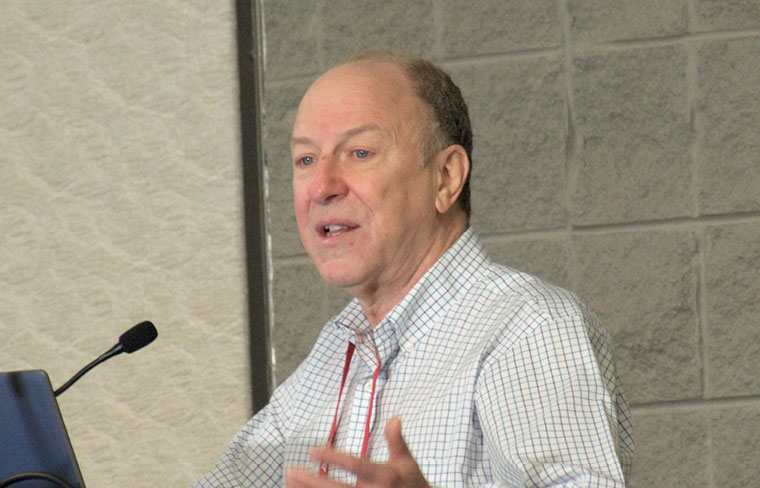
Symposium weighs untreated disease risks against diabetes drug risks in pregnancy
Many people try to avoid medications during pregnancy, hoping to lower the risk of an adverse outcome. However, the risks of high doses of maternal glucose often exceed those of any hypoglycemic drug, explained speakers including Jason G. Umans, MD, PhD.
-

Ask the Expert session examines evolving clinical care with AI
Using artificial intelligence (AI) for automated insulin delivery is one way to leverage this new technology in diabetes care, and a recent randomized crossover trial using a neural-net artificial pancreas (NAP) has shown promising results, explained Boris Kovatchev, PhD.
-
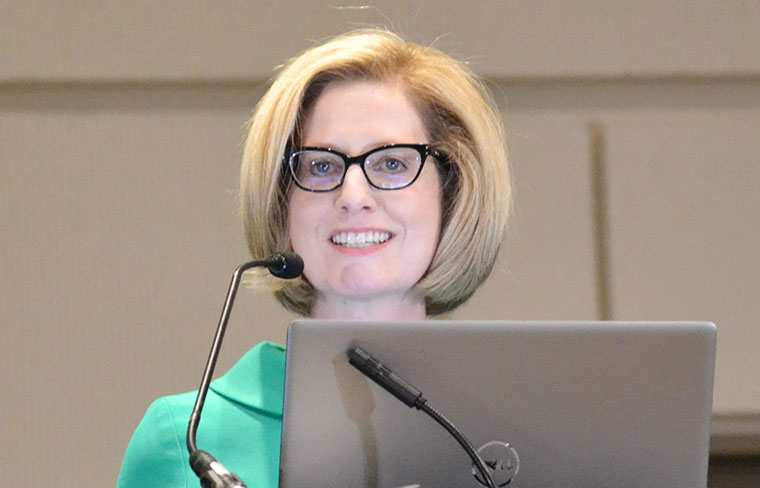
ADA journals convene special symposium to examine topics in heterogeneity of type 1 diabetes
Better understanding of the implications of metabolic heterogeneity during disease progression may facilitate the development of personalized or pathogenic-derived treatment, explained experts including Carmella Evans-Molina, MD, PhD.
-

Symposium explores the ‘final frontier’ of implementation science in diabetes
Experts including Brian Oldenburg, MPsychol, PhD, discussed ongoing challenges to U.S. and global implementation of proven approaches to diabetes prevention and treatment and ways to overcome them.
-

Researchers discuss CNS and its role in systemic metabolism
The central nervous system is an essential element in a holistic model of glucose homeostasis, explained Zaman Mirzadeh, MD, PhD. Elevated glucose levels result in insulin release from beta cells, which are glucose sensing, and that has actions on various organs to restore euglycemia.