

-
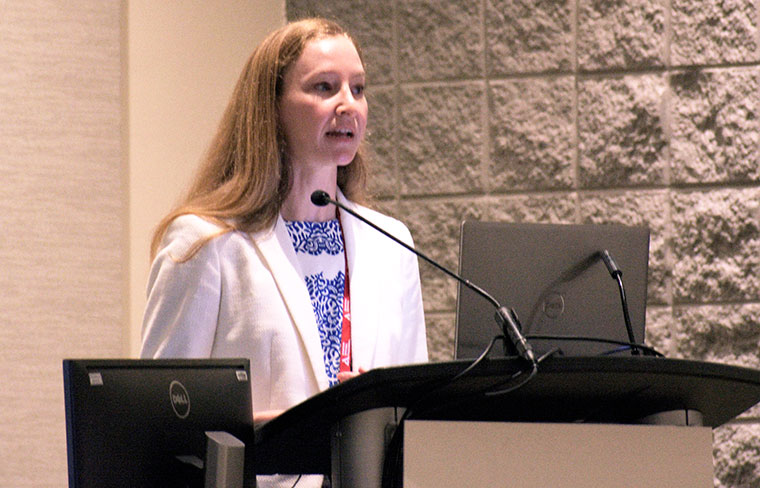
Symposium outlines patient and economic perspectives of navigating pediatric type 1 diabetes
Amanda Twigg, MD, discussed being a parent with the disease whose child also has the disease and deciding whether to participate in clinical prevention trials.
-
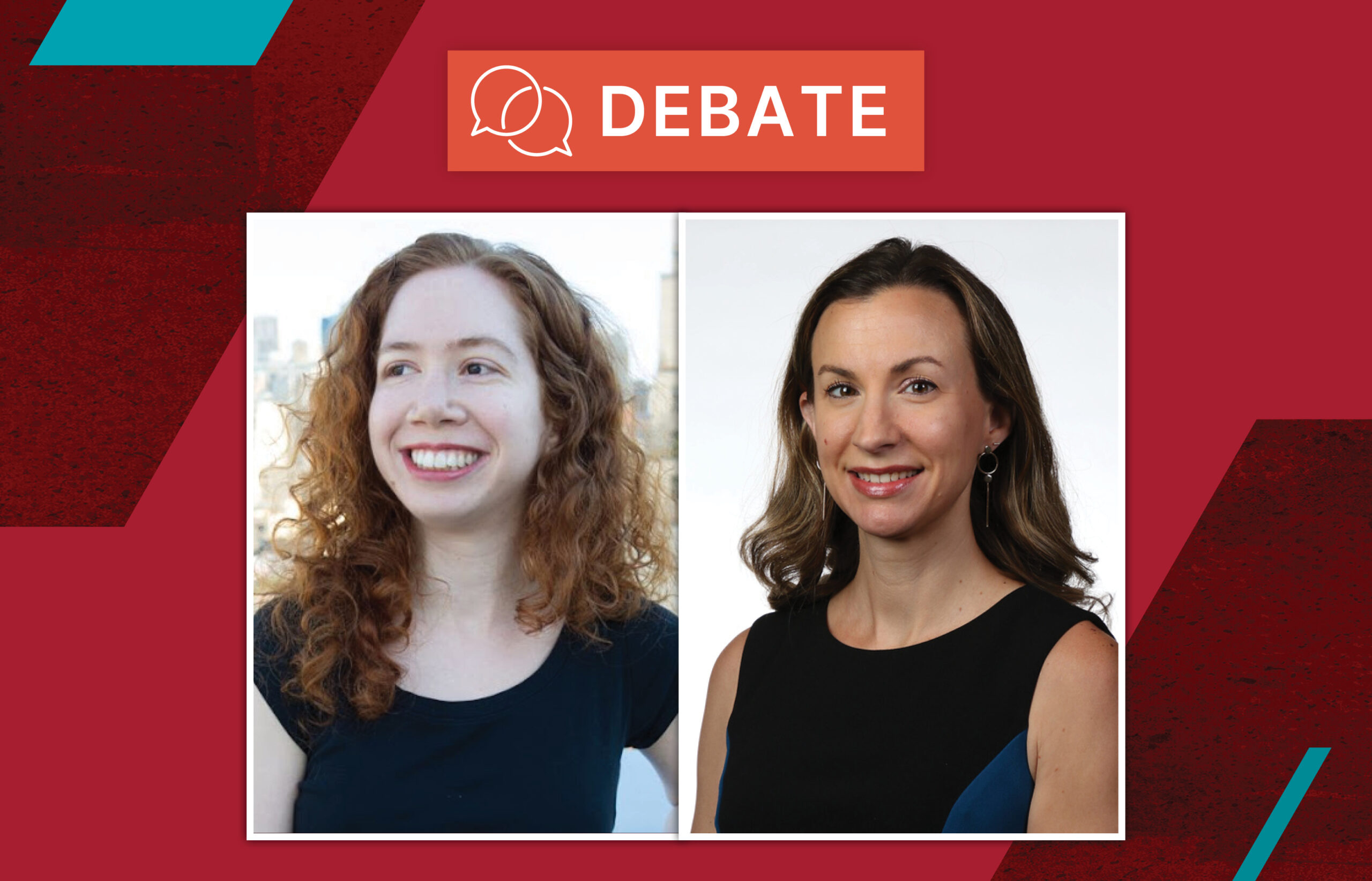
Debate weighs efficacy of AI for personalized nutrition planning
As with many rapid advancements in artificial intelligence in health care, some question whether the technology is ready for utilization in a real-world environment. Samantha Kleinberg, PhD, and Holly Nicastro, PhD, presented two sides of the debate.
-
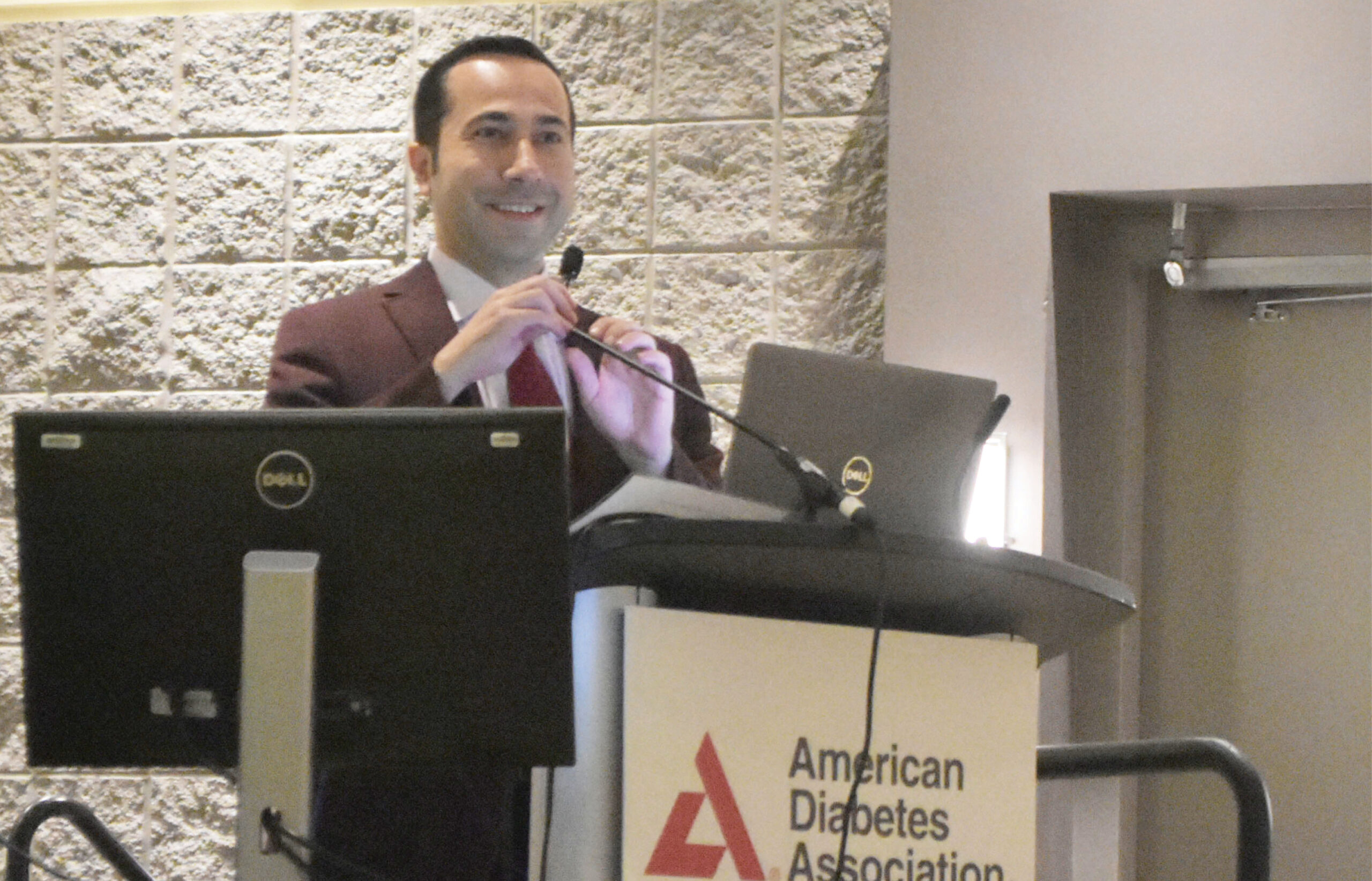
Specialists highlight the highs and lows of cannabis use among patients with diabetes
Restrictive guidelines have made studying the effects of cannabis challenging for investigators. An Ask the Expert session analyzed the limited literature available. Halis K. Akturk, MD, discussed distinguishing symptoms caused by cannabis use versus those directly related to patients’ diabetes.
-

Session addresses disparities in access to antiobesity medications
Pharmacoequity describes the goal of ensuring that everyone—regardless of race, ethnicity, or socioeconomic status—has affordable access to life-saving therapies. Panelists including Kristina H. Lewis, MD, MPH, SM, discussed the challenges to attaining pharmacoequity, such as overcoming provider bias.
-

Investigator presents detrimental effects of weight cycling
Weight loss improves diabetes risk factors associated with obesity, yet many patients struggle to maintain weight loss over time. Approximately one in five men and one in four women may experience weight cycling. Heather Caslin, PhD, shared key findings on the harmful effects of these fluctuations.
-

ATTEMPT trial shows kidney, glycemic benefits for SGLT2 inhibitor in adolescents with type 1 diabetes
Jennifer L. Sherr, MD, PhD, and other investigators shared the latest data from the first randomized controlled trial of a sodium-glucose cotransporter protein-2 (SGLT2) inhibitor in adolescents with type 1 diabetes at the 84th Scientific Sessions.
-
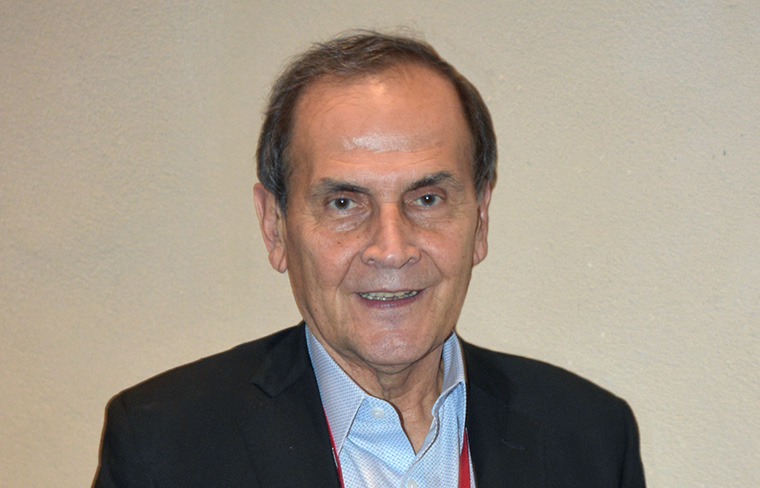
TIGHT investigators share lessons learned from evaluating inpatient CGM
Despite a lack of improvement in glycemic management in TIGHT, Guillermo Umpierrez, MD, CDCES, MACP, FACE, said he was optimistic about the future of determining hypoglycemia and hyperglycemia for hospitalized patients with diabetes.
-
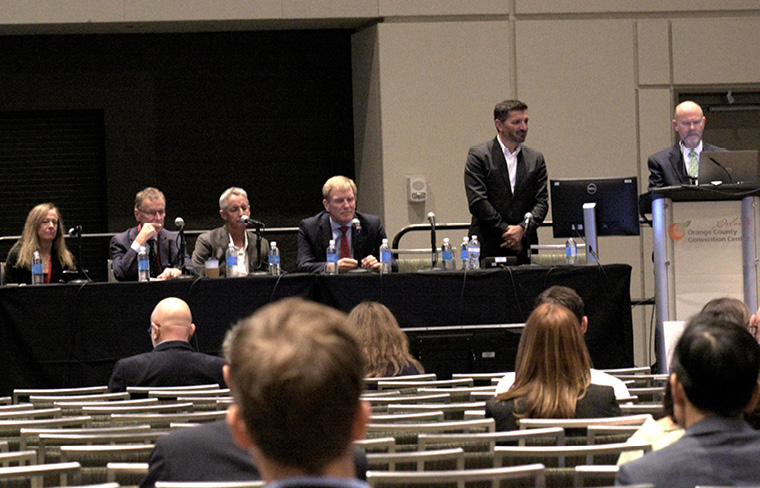
FLOW trial demonstrates kidney, cardiovascular benefits of semaglutide in high-risk patients with type 2 diabetes
Investigators presented findings from the first-ever dedicated kidney outcomes trial with a glucagon-like peptide-1 (GLP-1) receptor agonist. The trial was stopped early for clear positive efficacy, including slowed progression of kidney disease.
-

LENS results show benefit of fenofibrate in early treatment of diabetic retinopathy
Multiple cardiovascular trials suggested the potential of fenofibrate in treating diabetic retinopathy and informed the hypothesis for LENS, explained Principal Investigator David Preiss, MBChB, MRCP, FRCPath, PhD.
-
Year in Review highlights major advances in diabetes research
Vanita R. Aroda, MD, shared insights into recent clinical science discoveries in diabetes, while Mary-Elizabeth Patti, MD, discussed translational science developments, and C. Bruce Verchere, PhD, outlined basic science breakthroughs.