






-

Banting Medal recipient discusses emerging promise of pharmacologic treatment for obesity and diabetes
The work of physician-scientist Matthias H. Tschöp, MD, has transformed the fight against obesity and diabetes. As the Banting Medal for Scientific Achievement honoree, he shared insights into the ongoing quest to reverse obesity, including the possibilities offered by the approval of tirzepatide for the treatment of type 2 diabetes.
-
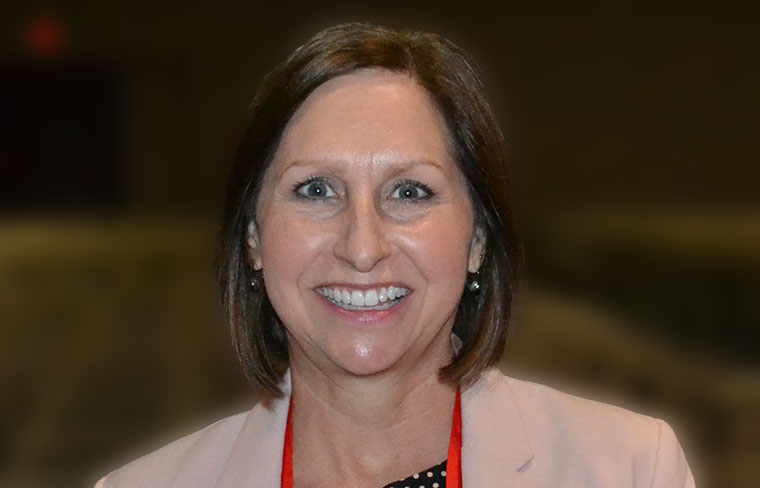
Symposium analyzes the validity and applications of real-world data in diabetes research
Studies harness real-world data for vital insights into patient populations and can help determine the delivery of care for patients with diabetes. Experts, including Kristi Reynolds, PhD, MPH, FAHA, FACE, discussed the utility of real-world data and how having access to electronic health records can help in examining long-term trends.
-
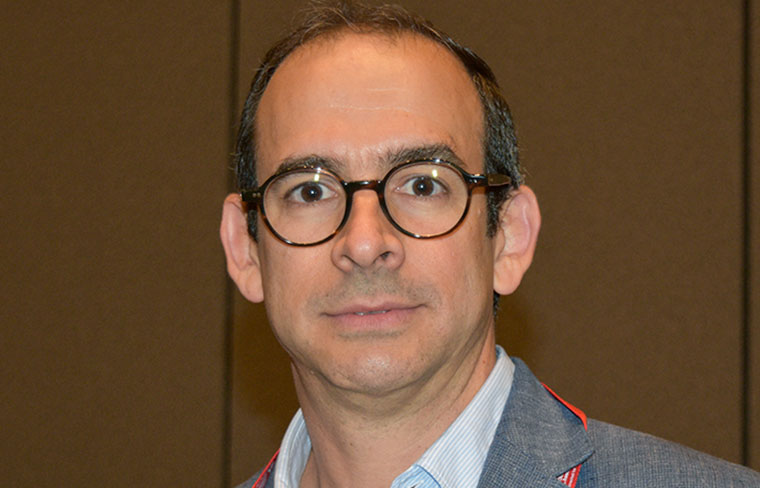
Expert panel offers options for incorporating tech into diabetes treatment for special populations
Guidelines and standards of care are helpful for many, but some populations require a more individualized approach to diabetes care. Experts, including Rodolfo J. Galindo, MD, shared the tools they’ve made available to patients who may need alternative ways to monitor and self-manage their diabetes.
-

Researchers to share insights from long-term comparison of surgical and non-surgical interventions in type 2 diabetes
Data continue to provide strong evidence favoring metabolic surgery to other treatment options for type 2 diabetes remission. Principal Investigator John Kirwan, MSc, PhD, will present ARMMS-T2D study results comparing surgery versus medical and lifestyle intervention in patients with the disease, as well as long-term effects post-surgery.
-
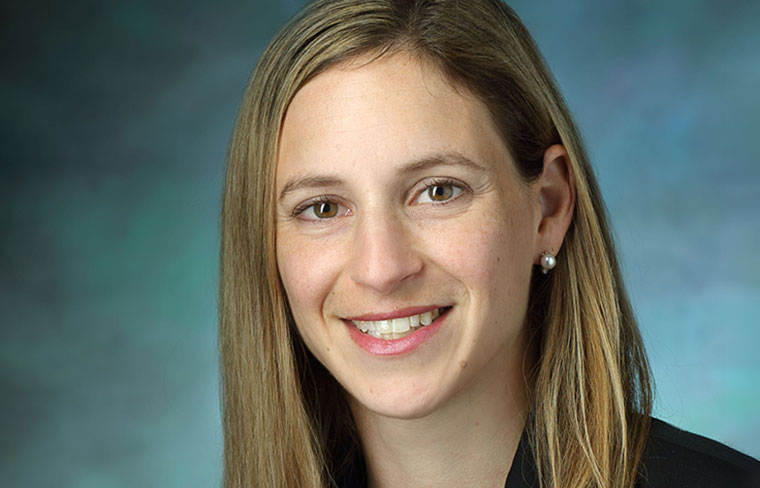
Symposium to address dynamics between diabetes treatments and eye health
Experts in diabetes and eye health will discuss how the therapies used in the treatment of diabetes relate to the development and progression of diabetic retinopathy. Risa Wolf, MD, will share data that suggests GLP-1 receptor agonists can worsen diabetic retinopathy.
-
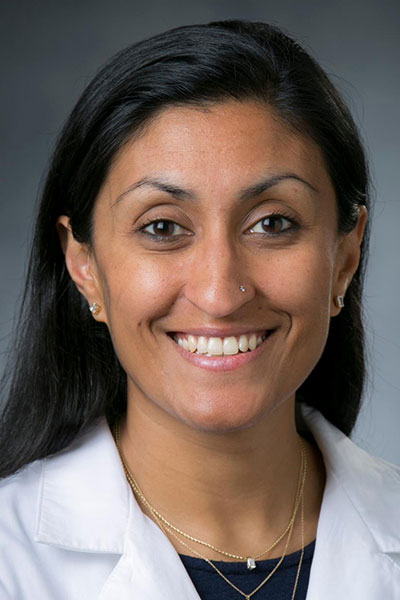
COORDINATE evaluates prescription therapy for patients with type 2 diabetes and ASCVD
The COORDINATE-Diabetes trial studied the effects of prescribing three recommended classes of drugs to patients with both type 2 diabetes and atherosclerotic disease compared to standard care. Investigators including Neha Pagidipati, MD, MPH, will review the results in a Scientific Sessions symposium.
-
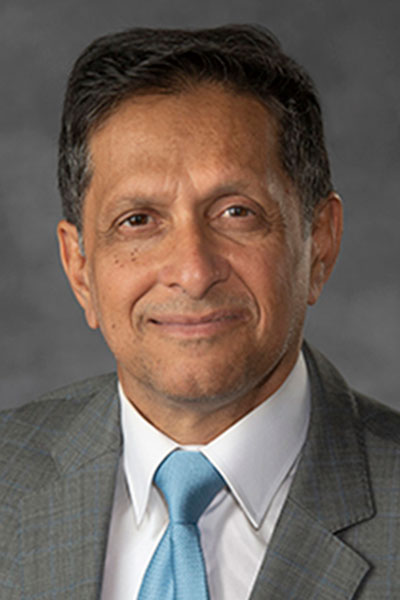
Investigators to share new data on retatrutide triple therapy
Phase 2 trial results suggest retatrutide may offer a triple therapy option to address the multiple metabolic factors that affect people who are obese, regardless of type 2 diabetes status, said Arun J. Sanyal, MD. He and other investigators will share new data on this GIP/GLP-1/glucagon receptor triagonist and its effects on obesity, type 2…
-

Symposium will review growing role of SGLT2 inhibitors, GLP-1 receptor agonists in CVD
Sodium-glucose cotransporter 2 inhibitors and glucagon-like peptide 1 receptor agonists are making an impact in treating patients with type 2 diabetes who may be at high risk for atherosclerotic cardiovascular disease and heart failure. Darren K. McGuire, MD, MHSc, will review both classes of drugs as part of an expert panel.
-

New treatments emerge for diabetic kidney disease
As treatments for diabetic kidney disease evolve, a panel of diabetes care experts will discuss what is happening in the world of antihyperglycemic and antihypertensive agents—and beyond—as the disease continues to be a prevalent complication from diabetes. Christine Limonte, MD, will discuss whether diabetes care professionals are following guidelines in using new therapies.
-
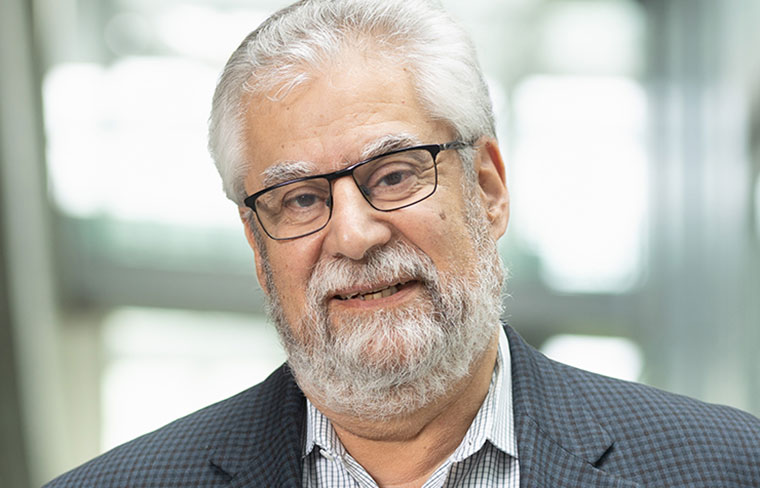
Scientists and engineers to outline cell therapy and site considerations
Michael Sefton, ScD, and a collaborative panel of experts will discuss cell therapy and strategies for delivering it to patients with type 1 diabetes. Topics will include identifying sites for the therapy, protecting the immune cells, and, once the cells are transplanted, monitoring the patient.