

More than 250,000 hospital admissions for diabetic ketoacidosis (DKA) occur in the United States every year, according to data from the Centers for Disease Control and Prevention, and global rates of DKA are increasing in children and adults with type 1 diabetes and type 2 diabetes. New continuous ketone monitoring (CKM) technology may be key to helping to decrease, prevent, and treat DKA episodes.

“We really have to do something to diagnose early and try to decrease the burden,” said Guillermo Umpierrez, MD, CDCES, MACE, MACP, Professor of Medicine, Emory University School of Medicine, referring to the high mortality rates and high healthcare costs associated with DKA.
Experts explored the potential, challenges, and questions surrounding CKM in multiple sessions during the 2026 Scientific Sessions, including Clinical Algorithm for the Identification, Monitoring, and Management of Elevated Ketones in Ambulatory Settings, on Friday, June 5. On-demand access to recorded presentations will be available to registered participants of the 2026 Scientific Sessions through August 10.
“DKA occurs in both type 1 and type 2 diabetes, but its prevalence, pathogenesis, and precipitating causes differ substantially between the two,” Dr. Umpierrez noted.
Insulin omission is the most common cause of DKA in type 1 diabetes, and infections and stressors are the most common causes in type 2 diabetes.
“Although risk is higher in type 1 diabetes, the absolute number of DKA cases in type 2 diabetes is increasing due to the higher prevalence of type 2 diabetes and the use of SGLT2 (sodium-glucose cotransporter 2) inhibitors,” Dr. Umpierrez explained.

Viral N. Shah, MD, Professor of Medicine, Indiana University School of Medicine, who was part of an American Diabetes Association® (ADA) evidence synthesis team on ketone monitoring and treatment, shared the multidisciplinary group’s work on developing clinical guidance related to ketosis and DKA.
“We devised this for healthcare professionals, but this information is designed in such a way that it is easy to pass on to people living with diabetes,” Dr. Shah said, outlining three basic steps for self-care of elevated ketones.
- Check for self-care preparedness. People with diabetes and/or their caregivers are advised to seek care at a hospital emergency department if they are not prepared or if there is an underlying condition that makes self-care unsafe.
- Assess ketone levels and trends.
- Consider general principles for ketone management, including confirming the person with diabetes has access to unexpired insulin to treat high blood glucose levels, and if the person takes an SGLT2 inhibitor, considering stopping the medication.
D-ACD, DABOM
“All people with diabetes are at risk of elevated ketones. I’m being careful here—elevated ketones, not DKA—but we want to stop that to prevent DKA,” Dr. Shah said.
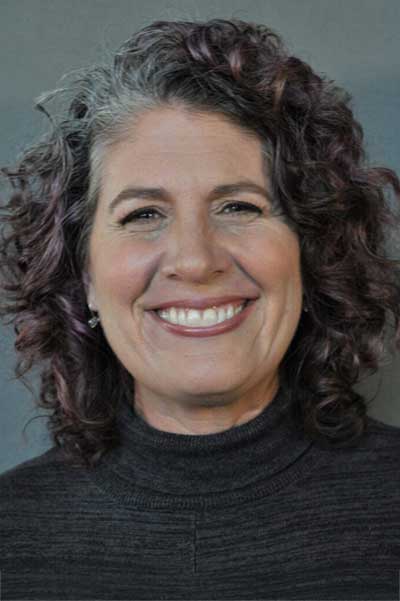
Looking to the future of CKM and its use in the prevention of DKA, Eden M. Miller, DO, D-ACD, DABOM, Family Practitioner, Diabetes and Obesity Care LLC, said current ketone monitoring is limited by access and delays in sharing information, whereas CKM offers a real-time proactive solution.
“You put this on. Can you imagine not having the disruptive DKA in a family at risk, that you don’t wait until you have it?” she said. “That’s worth a lot for people.”
CKM devices measure beta-hydroxybutyrate, the primary ketone in DKA, via the interstitial fluid of subcutaneous tissue. The current technology detects rising ketones independent of glucose levels and earlier than urine tests.
The first dual glucose-ketone sensor received European approval for use in people with diabetes in May.
“We need to, just like when CGM came, to embrace this, to figure it out,” Dr. Miller said.
A debate at the 2026 Scientific Sessions, Continuous Ketone Monitoring for the Masses: Risky or Rewarding?, also presented June 5, weighed the benefits of CKM, a recording of which will be available on demand to registered participants of the 2026 Scientific Sessions through August 10.
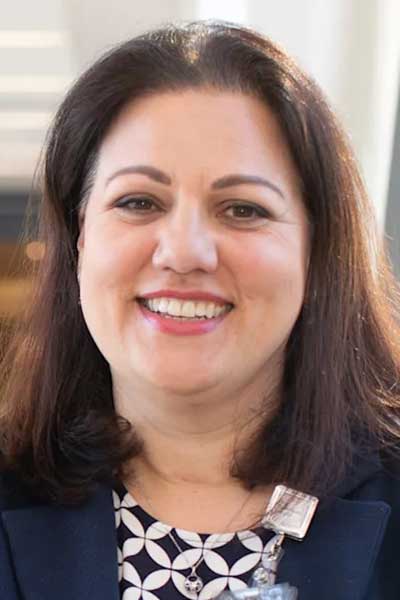
“The time is now to prepare for this next paradigm shift in diabetes management,” said Jennifer Sherr, MD, PhD, Assistant Professor, Yale University School of Medicine. “In my view, it is all reward—for people with diabetes and providers alike.”
To support her stance, Dr. Sherr cited the promise of passive data collection from CKM devices, the increased feasibility of early intervention when ketones are detected, and the suboptimal use of existing ketone measurement tools in clinical practice.

Among the disadvantages of current methods of ketone testing, Dr. Sherr listed the short half-life of urinary measurements and the fact that urine tests measure acetoacetate, which is not the predominant ketone in DKA. Capillary assessments also have downsides, she said, noting that these tests can be painful and are relatively expensive.
“The biggest drawback of both of these methods is that the person with diabetes needs to initiate the test,” she said before citing a report from the T1D Exchange showing that while most people assessed for ketones when a child living with diabetes was experiencing vomiting or high blood glucose levels, ketone testing rates dropped significantly among adults in those situations.
Jeremy Pettus, MD, Associate Professor of Medicine at the University of California, San Diego, presented the counterargument in the debate.
“We want CKM to do a couple of key things. We want it to reduce DKA. Nobody’s arguing that DKA is a problem; it’s a huge problem. But the question is, will CKM answer that need?” he said. There is also hope that CKM will allow the safe use SGLT inhibitors in people living with diabetes, he added, however, reality doesn’t currently match those goals.
“Where we’re at now is [CKM] delivers confusing data that will increase patient anxiety, clinic burden, and cost,” Dr. Pettus said. “I’m not saying we can’t get there, but right now, to say it’s ready for the masses, it just simply isn’t.”

Save the date
Make plans to join us June 18–21, 2027, for the 2027 Scientific Sessions at the Walter E. Washington Convention Center in Washington, DC. Registration will open in January.