

Obesity, artificial intelligence, liver disease, behavioral health, women’s health, nutrition, and new technology continue to be trending topics in diabetes, and the American Diabetes Association® (ADA) will offer new perspectives from international experts on the dynamics of each during the 2026 Scientific Sessions, from June 5–8 in New Orleans, Louisiana.

“For 85 years, the ADA’s Scientific Sessions has been the world’s largest and most influential meetings focused on diabetes,” said Rita R. Kalyani, MD, MHS, the ADA’s Chief Scientific and Medical Officer. “What makes it so important is not just the scale, but the depth and diversity of voices and perspectives brought together in one place. It’s where discoveries are first shared, clinical practice is shaped, and future research directions are debated. Attending offers a unique opportunity to stay at the forefront of the field, engage directly with global leaders, and return home with knowledge and connections that meaningfully improve diabetes care and outcomes.”
The full education program, including session and speaker details, is available through the Online Planner, where attendees can browse the program by date, session type, or topic.
Highly anticipated symposia in a lineup of 200 sessions across more than two dozen topic areas include:
- Obesity Year in Review: Major Advances and Discoveries, 3:45 p.m. on Friday
- The ADA’s Standards of Care in Diabetes: 2026 Updates, 8:00 a.m. on Saturday
- Standards of Care in Overweight and Obesity: 2026 Updates, 1:30 p.m. on Sunday
- Diabetes Year in Review: Major Advances and Discoveries, 1:30 p.m. on Sunday
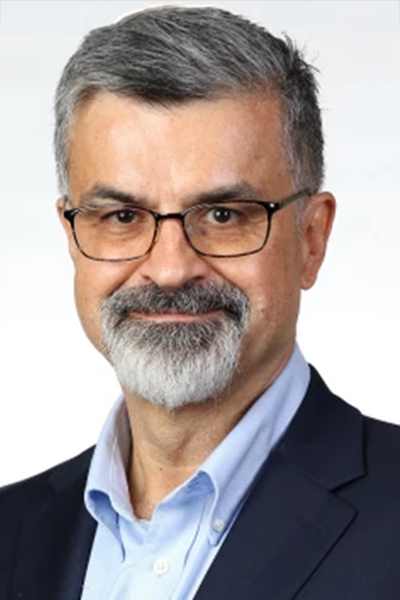
“Obesity research is advancing rapidly,” said Marlon Pragnell, PhD, the ADA’s Vice President of Research and Science. “At the Scientific Sessions, investigators will see how remarkable advances in pharmacotherapy are converging with new insights into brain regulation, gut-brain communication, and metabolism across organ systems. That integrated perspective is translating discovery into more effective, patient‑centered care.”
Significant new cardiometabolic research on metabolic dysfunction-associated steatotic liver disease (MASLD) and metabolic dysfunction-associated steatohepatitis (MASH) is reflected in this year’s program:
- ADA Diabetes Journal Symposium: Non-Classical Complications of Diabetes—Epidemiology, Mechanism, Treatment, 4:30 p.m. on Saturday
- How Does MASLD Impact Lipoprotein Biology and Cardiovascular Risk with Obesity and Diabetes?, 3:15 p.m. on Monday
Global diabetes heterogeneity is also being viewed through a broader lens.
“We’re learning so much more about the heterogeneity of diabetes,” Dr. Pragnell said. “Beyond the traditional type 1 and type 2 categories, there are multiple diabetes subtypes driven by different biological mechanisms and life‑course exposures. Recognizing that heterogeneity is shaping how we think about disease progression, complications, and opportunities for new therapeutic approaches.” He added that these concepts will be explored further in sessions such as the Joint ADA/International Diabetes Federation (IDF) Symposium: What Is Malnutrition-Related Diabetes?, beginning at 1:30 p.m. on Monday.

Disease education and the mental health of people living with diabetes will also be explored in sessions such as:
- Harnessing Technology to Tackle Diabetes Distress: Innovations across Diabetes Types and Life Stages, 8:00 a.m. on Sunday
- Lady Parts (of Life with Diabetes): Behavioral and Psychosocial Care for Women, 8:00 a.m. on Monday
“This year’s presentations will spotlight cutting-edge strategies to improve health care across the diabetes spectrum,” said the Scientific Sessions Meeting Planning Committee Chair Mark A. Atkinson, PhD. “For many attendees, these breakthroughs will stand out as some of the most important takeaways from the meeting.”
The Scientific Sessions mirrors the translational momentum of the field.
“This program is grounded on bringing real-world medical progress into everyday practice,” Dr. Atkinson said. “It spotlights key priorities like weight loss, optimizing care, expanding access to new technologies, and improving affordability. At the same time, the Scientific Sessions Planning Committee has taken a pragmatic approach, focusing on solutions that are truly feasible, with careful attention to cost, availability, and education.”
Registration for the meeting is available online. Full in-person registration includes on-demand access to recorded sessions from June 10–August 10. Registration with on-demand-only access is available for those unable to travel to New Orleans.

Register Today for the 2026 Scientific Sessions
Register to join us in New Orleans June 5–8 to learn about the latest advances in diabetes research, prevention, and care. After the meeting, registered participants will have on-demand access to recorded presentations.