


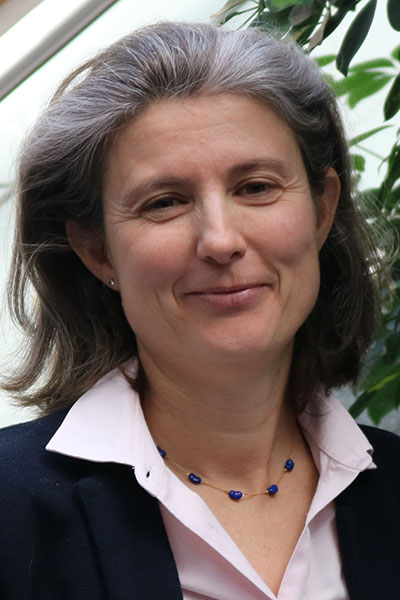
Elena Toschi, MD
Director of the Young Adult Program at the Joslin Clinic,
Assistant Professor of Medicine, Joslin Diabetes Center/BILH, Harvard Medical School
Featured in the Session: Are We Ready to Meet the Needs of Older Adults with Type 1 Diabetes?
When
Friday, June 5
at 3:45 p.m. CT
Where
245 (Level 2)
Ernest N. Morial Convention Center
What is your presentation about?
While insulin remains the cornerstone of therapy for older adults living with type 1 diabetes, diabetes management must be individualized based on aging-related factors such as cognitive decline, functional limitations, comorbidities, and availability of caregiver support among other factors. The presentation will highlight how physiological principles of insulin therapy intersect with real-world aging and social determinants of health.
How do you hope your presentation will impact diabetes research or care?
I hope this presentation encourages clinicians and researchers to move beyond a one-size-fits-all approach and further individualize care for older adults with type 1 diabetes. I emphasize shared decision-making that accounts for aging-related cognitive and functional changes, caregiver involvement and burden, and appropriate simplification of insulin regimens when needed. Ultimately, the goal is to support safer, more practical, and patient-centered pharmacotherapy aligned with aging trajectories and quality of life.
How did you become involved with this area of diabetes research or care?
My interest in this area began as a young fellow working in insulin physiology and insulin kinetics, and later in beta-cell function and replacement, which drew me to the care of individuals with type 1 diabetes. Over time, my clinical experience broadened my perspective on how behavioral factors significantly influence diabetes self-management and, in turn, insulin use and glycemic outcomes. My clinical and research work continues to focus on these behavioral drivers of self-management and their impact on insulin therapy and overall glycemic management. I am particularly interested in adapting diabetes care across the lifespan, especially in young adults and older adults, where social, cognitive, functional, and psychosocial changes add complexity to diabetes management and necessitate tailored, patient-centered strategies.