

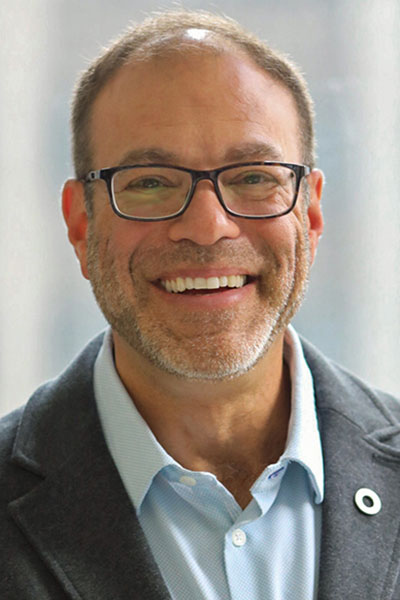
Sean Oser, MD, MPH, CDCES
Associate Professor of Family Medicine
University of Colorado Anschutz Medical Campus
Featured in the Session: ADA Statement on Diabetes Technology in Primary Care
When
Saturday, June 6
at 3:15 p.m.
Where
R05 (Level 2)
Ernest N. Morial Convention Center
What is your presentation about?
This presentation will review the importance and use of insulin delivery modalities in primary care, especially based on the recent technological advances in insulin delivery. We will review the insulin delivery section of the American Diabetes Association’s (ADA’s) Statement on Diabetes Technology in Primary Care and alignment with the ADA’s Standards of Care in Diabetes. This will complement other presentations during this session, especially as continuous glucose monitoring (CGM) is another major technology focus of diabetes care, the statement, and the Standards of Care.
How do you hope your presentation will impact diabetes research or care?
We are in a new age of insulin delivery. Advanced insulin delivery technologies like previous insulin pumps have historically been used very little in primary care, given the imbalance between the complexity of managing them and the resources actually available in most primary care practices, as opposed to most endocrinology practices. But with automated insulin delivery (AID), initiation and management are getting more straightforward at the same time as we are seeing glycemic results improve like never before. Now is the time to begin increasing AID use in primary care so that insulin-treated people with diabetes can benefit from these standard of care therapies just like people who get their care in endocrinology settings.
How did you become involved with this area of diabetes research or care?
As a family physician and health systems administrator, and also as a person living with type 1 diabetes and with a daughter living with type 1 diabetes, I know that half of adults with type 1 diabetes and 90% of all people with type 2 diabetes receive their diabetes care in primary care. Ever since I discovered the different geographic distributions of primary care and endocrinology across the U.S. (96% of counties have at least one primary care clinician, fewer than 25% have an endocrinologist), I have felt compelled to advance research and practice so that people with diabetes can get the best treatments wherever they get their care.