
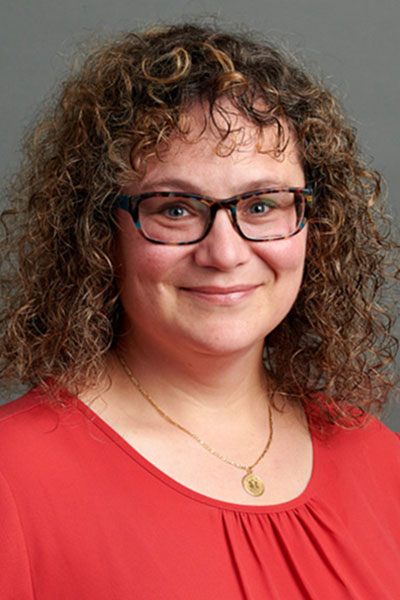
Nicole Sheanon, MD, MS
Associate Professor, Director, Diabetes Center
Cincinnati Children’s Hospital Medical Center
Featured in the Session: Joint ADA/ISPAD Symposium: A Global Perspective on Pediatric Type 1 Diabetes Screening
When
Monday, June 8
at 8:00 a.m.
Where
La Nouvelle Orleans B (Level 2)
Ernest N. Morial Convention Center
What is your presentation about?
Single islet autoantibody–positive youth represent a clinically complex group with variable risk for progression to type 1 diabetes. While most will not develop type 1 diabetes, a meaningful subset will, particularly within the first three years after antibody detection. This presentation reviews current evidence, case examples, and predictive factors that help stratify risk and guide monitoring. Emphasis is placed on education, longitudinal follow-up, and early identification to improve outcomes and reduce preventable complications.
How do you hope your presentation will impact diabetes research or care?
I hope this presentation improves clinical care by promoting evidence-based monitoring and education strategies that support early identification, patient engagement, and timely intervention for youth at risk of type 1 diabetes. Ultimately, I want others to understand the importance of monitoring even those with one positive antibody in order to reduce the risk of diabetic ketoacidosis (DKA) at new onset of type 1 diabetes.
How did you become involved with this area of diabetes research or care?
My interest in type 1 diabetes screening is informed by over 30 years of living with type 1 diabetes and the challenges I experienced at diagnosis. Alongside advances in identifying type 1 diabetes prior to symptom onset, this perspective drives my dedication to research and care efforts focused on early detection, prevention, and reducing the incidence of DKA through proactive screening and intervention.