






-

REWIND trial: Dulaglutide reduces cardiovascular disease in type 2 diabetes patients
Dulaglutide, an injectable GLP-1 receptor agonist, can be considered for both primary and secondary cardiovascular prevention in middle-aged and older patients with type 2 diabetes and cardiovascular risk factors, according to results from the REWIND trial reported by Hertzel C. Gerstein, MD, MSc, FRCPC, and Matthew C. Riddle, MD.
-
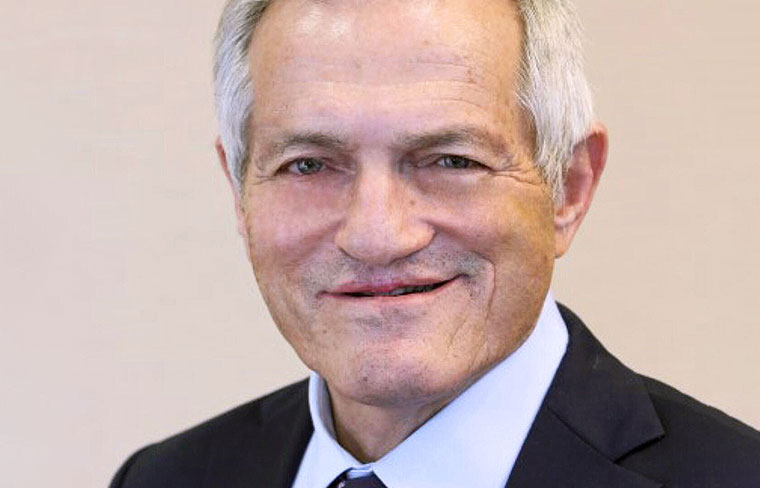
DECLARE-TIMI 58 trial demonstrates safety, efficacy of SGLT2 inhibitors
Results from the DECLARE-TIMI 58 trial suggest that the SGLT2 inhibitor dapagliflozin not only reduces insulin resistance and reduces cardiovascular risk factors, but also prevents heart failure and progression of kidney disease in most diabetes patients, including those with normal heart and kidney function, with high safety, according to co-principal investigator Itamar Raz, MD.
-

RISE Clinical Trial: No durable improvement to beta-cell function from various diabetes treatments
Results from the RISE Clinical Trial showed no long-term improvement in beta-cell function from various diabetes treatments. Improvements seen during the 12-month treatment period had disappeared three months later, and A1C worsened in two of the treatment arms, according to Steven E. Kahn, MB, ChB.
-

TrialNet studies explore new approaches to type 1 diabetes
Susanne M. Cabrera, MD, and three other researchers presented results from four recent and ongoing studies from the TrialNet network at the Scientific Sessions. TrialNet is a global consortium of researchers dedicated to preventing type 1 diabetes and stopping disease progression by preserving insulin production before and after diagnosis.
-
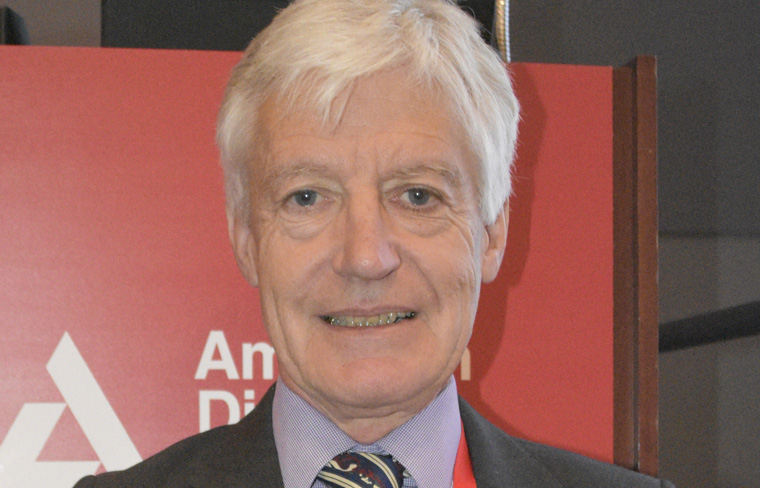
PREVIEW study results show diet, weight management can delay type 2 diabetes progression in prediabetes patients
Results from the PREVIEW study, which compared the benefits of two diet and two weight management programs, showed comparable rates of delay toward type 2 diabetes development in patients with prediabetes who had initially lost weight on a low-calorie diet, according to Ian MacDonald, BSc, PhD.
-

TODAY2 Study: Youth-onset type 2 diabetes more severe than adult-onset disease
The longest-running study of type 2 diabetes in young people, the TODAY2 Study, is winding down. Results to date show that youth-onset type 2 diabetes is more aggressive than adult-onset disease, according to Philip Zeitler, MD, PhD, who co-chaired a session at the 79th Scientific Sessions that provided the latest look at results from the…
-

Vitamin D supplementation does not significantly reduce risk of type 2 diabetes, D2d Study finds
Among vitamin D-sufficient adults at high risk for type 2 diabetes, vitamin D supplementation at a dose of 4000 IU per day did not significantly lower the risk of diabetes compared to placebo, according to the results of the D2d Study presented at the Scientific Sessions by Anastassios G. Pittas, MD, MS.
-

Session preview: Researchers investigating communication between beta-cell organelles
New evidence suggests that cellular organelles such as endoplasmic reticulum, mitochondria, and lysosomes are active communicators using newly recognized intra- and intercellular channels. A group of researchers, including Amelia K. […]
-

Experts debate delivery time in women with gestational or preexisting diabetes
Monday afternoon at the Scientific Sessions, Chloe Zera, MD, MPH, and Howard Berger, MD, debated the question of whether all pregnant women with gestational diabetes or preexisting diabetes should be induced by 38 weeks. Dr. Zera argued in favor of induction and Dr. Berger made the case against it.
-
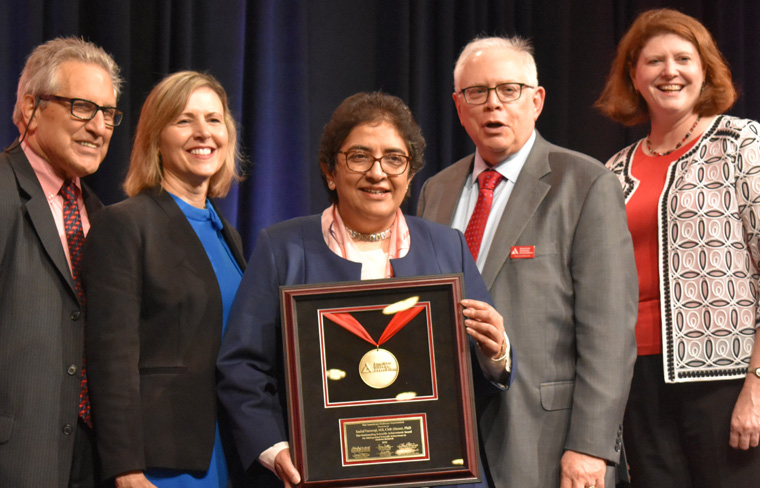
Outstanding Scientific Achievement Award lecturer: Genetics play a key role in obesity, thinness
Thin people are thin because they have less of the genetic variants that make people obese, not because they are morally superior, according to Sadaf Farooqi, MB, ChB (Hons), PhD (center), who presented the Outstanding Scientific Achievement Award lecture on Monday at the Scientific Sessions.