






-
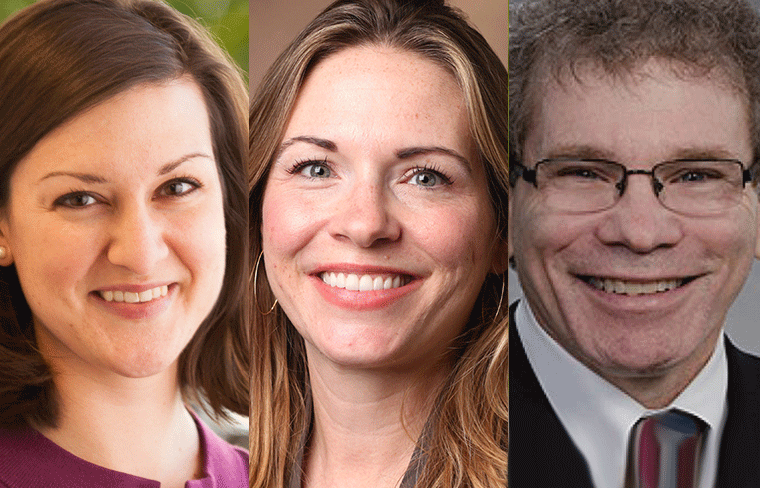
Pandemic highlights utility and challenges of remote monitoring and telemedicine
Data support the use of telehealth and remote monitoring for patients with diabetes. Leslie A. Eiland, MD, Lindsay S. Mayberry, PhD, MS, and Irl B. Hirsch, MD, outline how to use these tools for different populations.
-
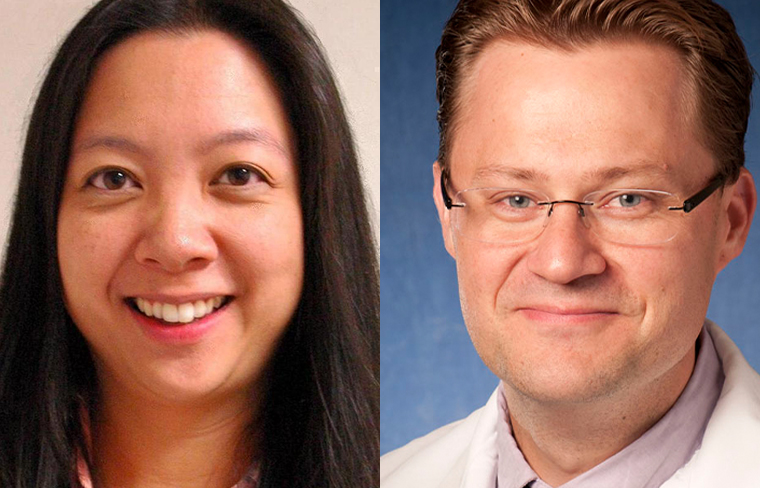
Expert panel to discuss advances in diabetic retinal disease
The symposium will include a review of treatment options for preproliferative diabetic retinopathy by Jennifer Sun, MD, MPH, and an overview of advancements in retinal neurovascular degeneration in diabetes by Patrice E. Fort, PhD, MS.
-
Update on thermogenesis: It’s not uncoupling protein 1
“The understanding of energy metabolism and its relation to diabetes and obesity is undergoing a revolution,” said Bruce Spiegelman, PhD, one of the researchers who will discuss emerging paradigms of uncoupled bioenergentics in metabolic disease.
-

Should immune intervention trials occur during the COVID-19 pandemic?
Some type 1 diabetes trials that were suspended last year because of COVID-19 have resumed. Carla Greenbaum, MD, and Adriana Weinberg, MD, debated whether such studies should have restarted while the pandemic is ongoing.
-

Telemedicine and the ‘foot selfie’ helped providers deliver diabetic foot care during the pandemic
Brian M. Schmidt, DPM, and Laura Shin, DPM, PhD, shared strategies used to maintain access to care and regular physical exams for patients with diabetic foot complications amid COVID-19.
-
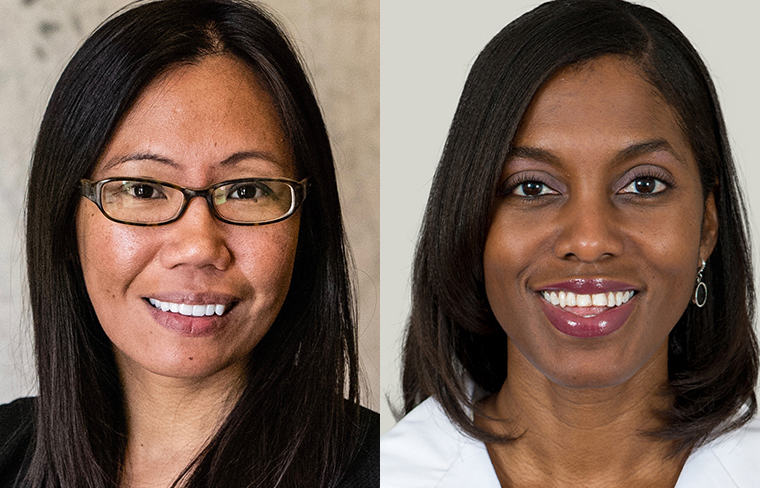
Beta cell biology, glucose metabolism will be highlighted in NIDDK Symposium
Emilyn Uy Alejandro, PhD, and Rochelle N. Naylor, MD, will discuss new insight into the heterogeneity of diabetes and how it translates to patient care.
-

Obesity, CVD also of concern in type 1 diabetes
Yehuda Handelsman, MD, Tina Costacou, PhD, and Sophia Zoungas, MBBS (Hons), PhD, FRACP, will examine the dynamics of weight and cardiovascular risk in type 1 diabetes. The symposium includes a debate on drugs to prevent cardiovascular disease.
-
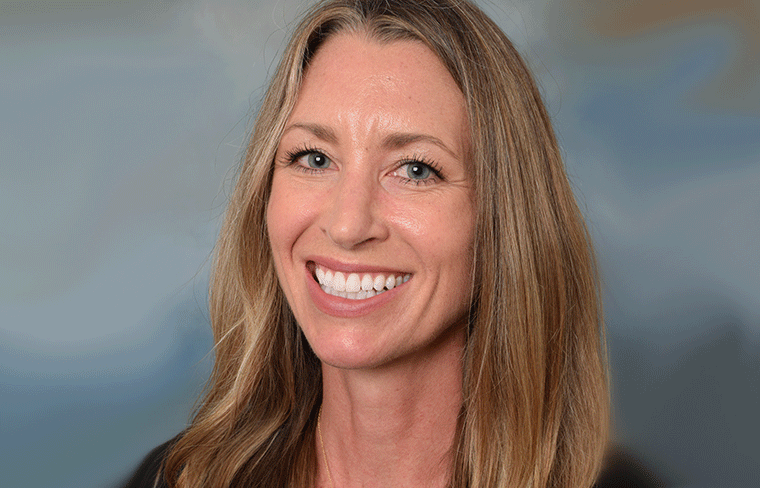
Beyond carb counting: Emerging technology offers new insights into the dynamics of macronutrients and blood glucose
“You could eat a diet of bacon and diet soda all day long and you’d manage your glucose really well. But that wouldn’t be good for your whole health,” said Holly Willis, PhD, RDN, LD.
-
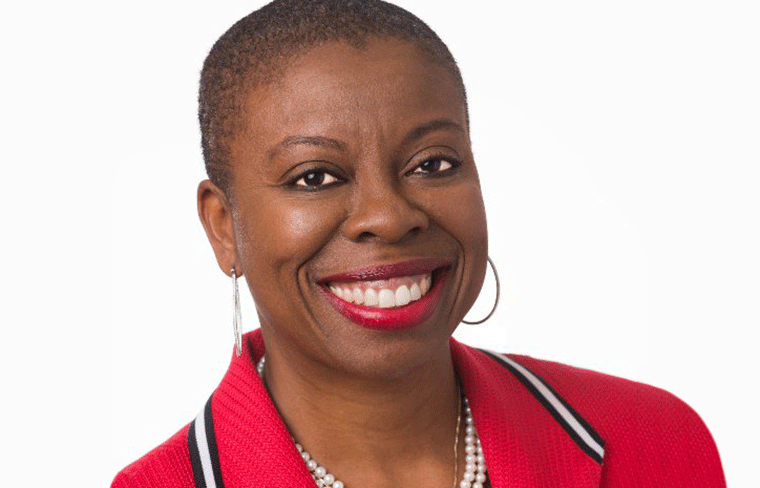
Welcome to the 81st Scientific Sessions
“We have brought together the best and the brightest minds focused on diabetes research and diabetes care,” said ADA CEO Tracey D. Brown.
-
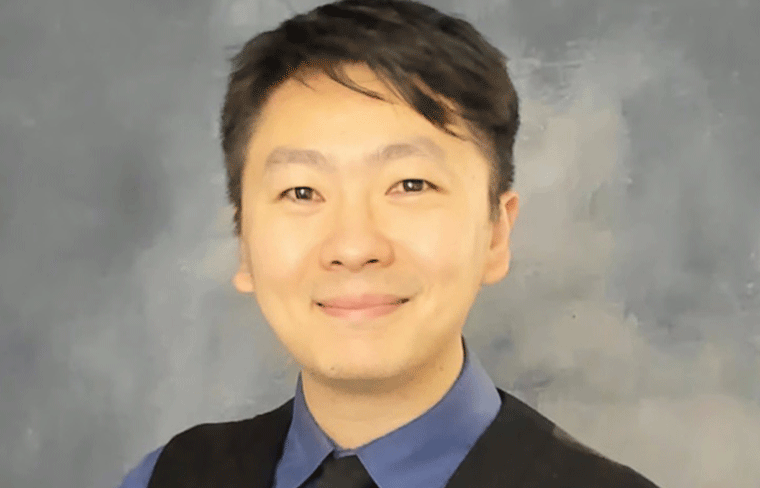
Weighing the costs vs. benefits of SGLT2 inhibitors and GLP-1 receptor agonists
Hui Shao, MD, PhD, will discuss the financial implications these classes of agents, which have transformed diabetes care for individuals who also have cardiovascular disease, have brought to the health care system.