


-

ADA/EASD Consensus Report on adults with type 1 diabetes focuses on individualized care
Before finalizing the first-ever ADA/EASD Consensus Report on the management of adults with type 1 diabetes, the writing team led by Anne L. Peters, MD, and Richard I.G. Holt, PhD, FRCP, highlighted key topics addressed in the report at the Scientific Sessions.
-
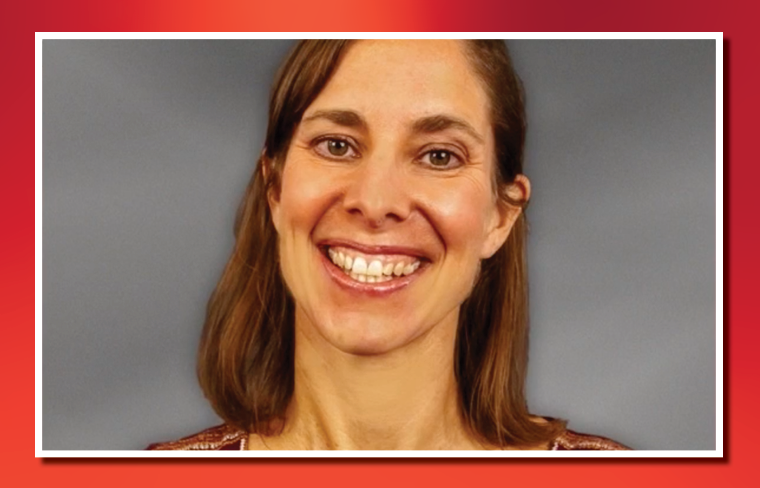
Outstanding Scientific Achievement Award recipient honored for her pioneering research in youth diabetes
Kristen J. Nadeau, MD, MS, outlined the unique cardiometabolic mechanisms and consequences of youth-onset type 1 and type 2 diabetes in her award lecture.
-

Pandemic illustrates need for, pitfalls of communicating risk
An infectious disease epidemiologist, a journalist, and a researcher—Christina M. Astley, MD, ScD, Gary Schwitzer, and Bertha Hidalgo, PhD, MPH—came together to share their perspectives on communication of risk and its impact on public health and public trust.
-

Panel examines challenges of implementing diabetes prevention programs
An international panel of diabetes prevention researchers including Mike Sampson, MD, Kerri Lynn Knippen, PhD, MPH, RDN, LD, BC-ADM, Pilvikki Absetz, PhD, and Anne M. Wolf, MS, RDN, shared lessons learned from the implementation of type 2 diabetes prevention programs around the world during a symposium Monday.
-
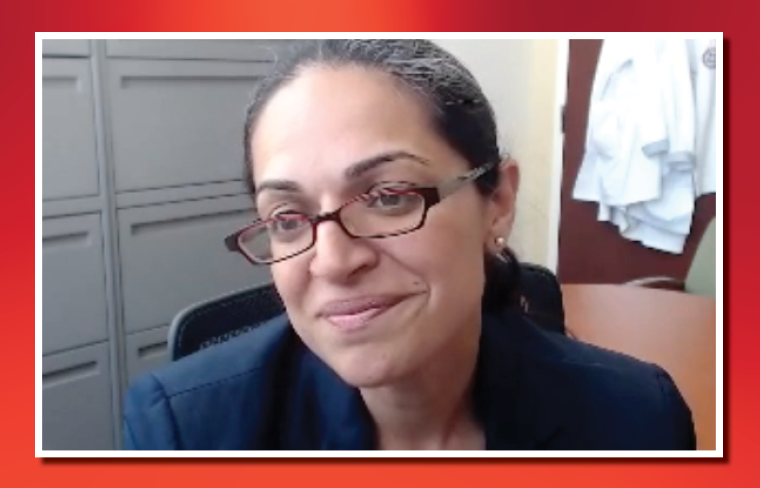
Technology finds expanded role in inpatient diabetes care
“We know there are so many people who are getting suboptimal care in terms of diabetes—inpatient and outpatient—because we can’t reach them all. We really need to use technology as a base,” said Amisha Wallia, MD, MS.
-

Two webinars in July will recap Scientific Sessions highlights
Join the ADA for two webinars after the 81st Scientific Sessions that will highlight key sessions and abstracts from the meeting.
-

Banting Medal awarded to trailblazing incretin researcher
The story of incretins began in the gut—and then something happened, said Jens Juul Holst, MD, DrMedSci. Islets and the pancreas developed from the gut and remain connected by gut hormones, he noted.
-

Kelly West Award lecturer discusses efforts to quantify risk for type 2 diabetes
As an early-career scientist, Nicholas J. Wareham, FMedSci, FRCP, FFPHM, MBBS, MSc, PhD, developed a strong interest in diabetes screening and was fascinated by then-emerging details of the links between risk factors and type 2 diabetes.
-

ADA President, Medicine & Science, heralds research that fuels journey toward diabetes cure
“One of the lessons from the discovery of insulin is to remind us how important it is for us to support high-risk innovative ideas, new and junior investigators—in addition to more established investigators—and basic, clinical, and translational research,” said ADA President, Medicine & Science, Ruth S. Weinstock, MD, PhD.
-

New data underscores importance of GIP signaling in the brain to regulating food intake, energy balance
“The central nervous system is an important target organ for GLP-1 and GIP pharmacotherapy to affect energy balance,” said Alice Adriaenssens, PhD, in the ADA Diabetes Symposium.