


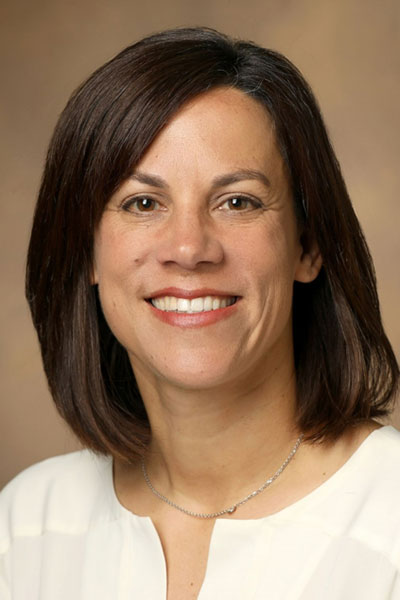
Sarah Jaser, PhD
Professor,
Vanderbilt University Medical Center
Featured in the Session: Beyond Insulin: Adjunctive Therapies for Pediatric Type 1 Diabetes
When
Saturday, June 6
at 1:30 p.m. CT
Where
245 (Level 2)
Ernest N. Morial Convention Center
What is your presentation about?
Emerging research highlights that sleep disturbances are highly prevalent in youth with type 1 diabetes and are linked with glycemic variability, cognitive functioning, and psychosocial outcomes. Diabetes technologies such as continuous glucose monitors (CGMs) and automated insulin delivery (AID) systems have transformed overnight glucose management, but alarms and nocturnal caregiving demands continue to disrupt sleep for both children and caregivers. New findings suggest that optimizing technology use, alongside behavioral and family-based sleep interventions, can meaningfully improve sleep health without compromising glycemic outcomes. These findings underscore sleep as a modifiable, mechanistically relevant target and highlight the need for integrative interventions that align behavioral sleep strategies with diabetes technology use.
How do you hope your presentation will impact diabetes research or care?
By synthesizing evidence on behavioral sleep interventions and diabetes technology, this presentation highlights new opportunities to align sleep health with glycemic outcomes. Clinically, this work supports incorporating sleep assessment and targeted interventions into routine pediatric diabetes care to improve both glycemic and psychosocial outcomes.
How did you become involved with this area of diabetes research or care?
My work in this area began through over 15 years of clinical practice as a pediatric psychologist embedded in diabetes clinics, where sleep repeatedly emerged as a clinically meaningful concern for children and families navigating type 1 diabetes. Recognizing sleep as an important yet understudied factor in diabetes management, I pursued collaborations with colleagues in pediatric neurology who were developing behavioral sleep interventions in other populations. These clinical experiences and interdisciplinary partnerships directly shaped my current research program focused on understanding and improving sleep in pediatric type 1 diabetes, with the goal of improving diabetes management and quality of life.