


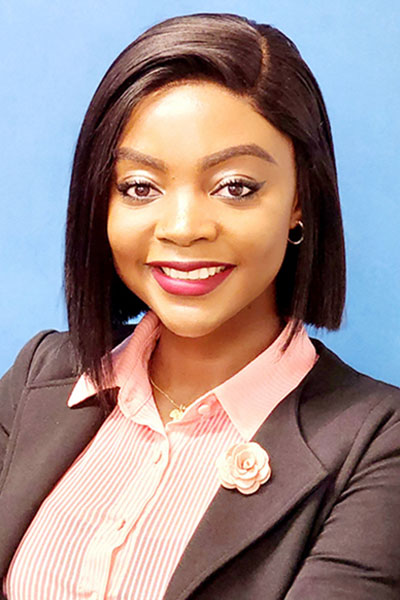
Justina Adangai, FNP-C, BC-ADM
Family Nurse Practitioner and Diabetes Care Management
Omni Family Health
Featured in the Session: How Do We Close Gaps in Access to Obesity Care?
When
Monday, June 8
at 8:00 a.m.
Where
Great Hall B (Level 1)
Ernest N. Morial Convention Center
What is your presentation about?
Obesity is not a lifestyle failure. It is not just a matter of willpower, and many patients do not receive proper care because of gaps faced in access to care. Clinicians will understand the daily barriers faced by patients in the rural settings and how underserved communities can receive better obesity care through primary care initiatives and innovation.
How do you hope your presentation will impact diabetes research or care?
Obesity is a chronic, relapsing, multifactorial disease that deserves evidence-based treatment, compassionate care, and equitable access. It is a huge risk factor when it comes to diabetes prevention, management, and care. The primary care setting, especially federally qualified health centers (FQHC), is the place where initiation of the process into closing the gap begins. The patients with the highest needs and least access are typically the majority of the population in the FQHC setting. More diabetes research, leveraging improved ways of going from standards of practice to standards of care, and putting needed resources into the primary care space is where all this begins.
How did you become involved with this area of diabetes research or care?
Working for the past four years in an FQHC and being a part of the American Diabetes Association’s (ADA’s) Diabetes Primary Care Alliance has given me the opportunity to leverage such important aspects of associated risk factors, such as obesity management, as an initiative to improve diabetes care and prevent further complications.